Hungary Votes Orban Out as Kyiv Hopes EU Aid Flows

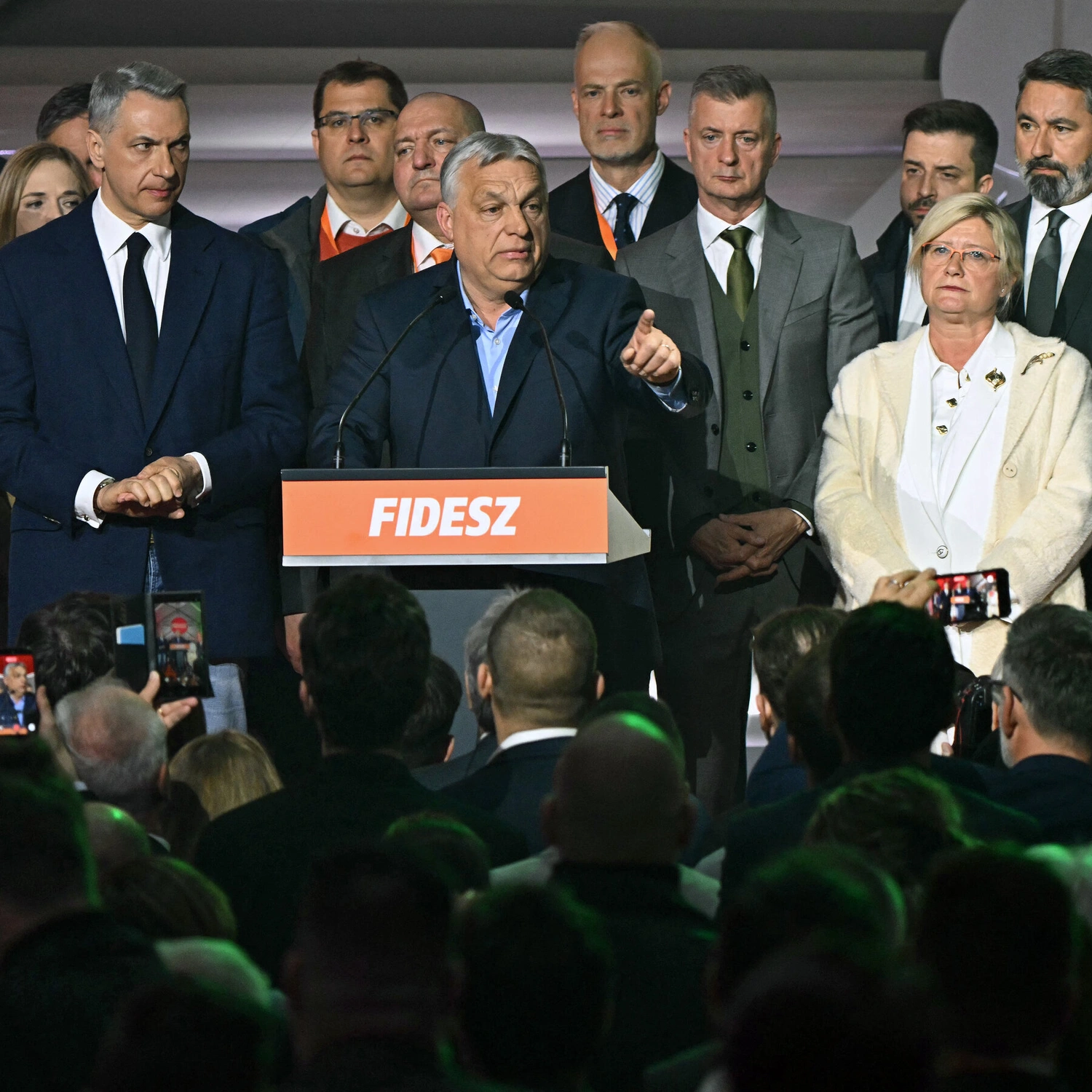
Hungary Votes Orban Out as Kyiv Hopes EU Aid Flows
Hungary votes Orbán out after 16 years, sending a European shockwave as Budapest glows with relief and Ukraine pushes to unlock a blocked 90 billion euro loan.
In Budapest, a political earthquake rippled through the city as voters delivered a verdict after 16 years of Viktor Orbán’s leadership. The election result marked a historic shift, and the city’s iconic Chain Bridge lit up in Hungary’s red, white and green to reflect a night of heightened emotion and uncertainty about Hungary’s future direction. Supporters of the new order cheered in the streets, sensing that history was being made and that the country might pivot away from Orbán’s long-running, sometimes controversial, governance.
By dawn, crowds of first-time voters danced through Budapest’s backstreets, buoyed by a sense of possibility even as observers warned that long-standing political dynamics would not vanish overnight. “We did it,” one observer, Zsofia, told reporters, her voice cracking with emotion as she recounted casting her ballot. In the background, chants of “Russians go home” underscored a broader regional mood: a desire for greater alignment with Western Europe and a departure from past loyalties. The night felt personal and political, a moment when many felt the country’s voice had finally shifted the course of its governance.
The defeat of Orbán is seen as a major realignment in European politics, particularly for Ukraine, which has long watched Budapest’s stance on Moscow with close attention. Kyiv now hopes that a 90 billion euro loan Orbán had blocked will eventually be disbursed, easing potential financial strains as Ukraine continues to seek international support amid ongoing security concerns. European leaders celebrated the change in Budapest as a turning point that could recalibrate Hungary’s role in the EU and its approach to key partners, though questions remain about how quickly reforms will translate into concrete policy shifts.
Observers note that Orbán’s era has been characterized by what critics called an illiberal turn, with tight control over media and rule design that shaped electoral outcomes. The new administration faces the formidable task of rebuilding trust, restoring open media practices, and aligning Hungary more closely with EU norms while addressing domestic expectations. As Budapest processes the post-election reality, the broader European landscape watches closely to see whether the changes will translate into stronger support for Ukraine and a more unified European approach to Moscow.
For now, the city’s mood is a blend of relief, cautious optimism, and a sense that history has moved. The night’s celebrations hint at a future where Hungary’s policies might shift toward greater cohesion with European partners, even as residents recognize that real reforms will require time, continued civic engagement, and sustained political will.
