Banned! Massive Attack's Stand Ignites Global Debate on Music & Activism

Banned! Massive Attack's Stand Ignites Global Debate on Music & Activism
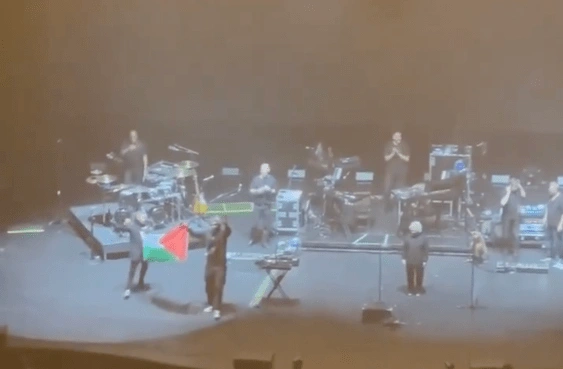
Massive Attack members banned from Singapore after pro-Palestinian concert display. This incident fuels the critical debate: should artists use their platform for political statements?
The recent incident involving two members of Massive Attack in Singapore has ripped open the ongoing debate at the intersection of music, activism, and global censorship. Following a pro-Palestinian display during their concert, Singaporean authorities not only banned the members but also issued a “stern warning.” This isn't just a regulatory hiccup; it's a stark reminder of the tightrope artists walk when their message transcends entertainment.
This event forces us to ask: do artists have a responsibility to use their influential platforms for social and political commentary? Or should they adhere strictly to local norms, even if those norms silence deeply held convictions?
For decades, music has been a powerful conduit for protest and change. From anti-war anthems to civil rights ballads, artists often see themselves as mirrors, or even catalysts, for societal shifts. Massive Attack, known for their politically charged art, clearly chose the former path, risking professional repercussions for their stance.
But what happens when that artistic expression clashes with sovereign laws?
Singapore's response highlights a growing global trend where cultural exchange is increasingly conditional on political neutrality.
Bands touring internationally must now navigate a labyrinth of diverse legal frameworks and sensitivities.
Is silence the price of entry into certain markets, or does it diminish the very essence of their art?
Fans often crave authenticity and expect their favorite artists to stand for something. Yet, the industry faces immense pressure. Tour cancellations, legal battles, and market access issues are real threats.
It's about every artist, from emerging talents to global superstars, weighing the impact of their voice against their career's longevity.
Is it ethical for a government to restrict artistic expression solely because it diverges from national policy or preferred narratives? Conversely, is it reasonable for artists to expect universal acceptance of their political statements, irrespective of local laws and cultural contexts?
The Singapore incident is more than a cautionary tale; it's a flashpoint.
It underscores the urgent need for a broader conversation about artistic freedom in a politically fragmented world.
As fans, industry professionals, and global citizens, we must collectively grapple with these uncomfortable questions.
The stage might be global, but the consequences often remain local and deeply personal.
