Nathalie Baye dies at 77, a towering figure in French and world cinema

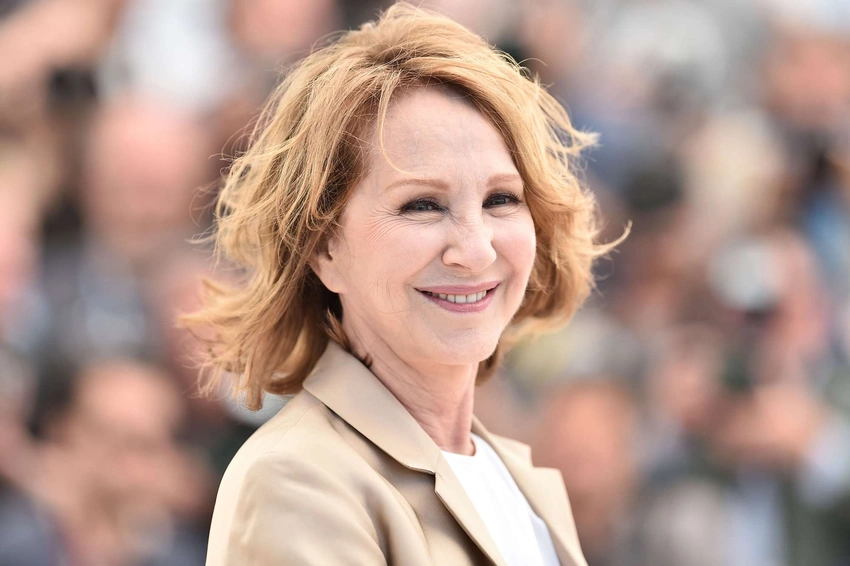
Nathalie Baye dies at 77, a towering figure in French and world cinema
French cinema icon Nathalie Baye dies at 77 in Paris after Lewy body dementia; beloved for Day for Night and later roles in Catch Me If You Can and Downton Abbey.
Nathalie Baye, the renowned French film star who helped define a generation of French cinema, has died at 77 at her Paris home following a battle with Lewy body dementia. Her family confirmed the news on Saturday, celebrating a life spent on stages and sets around the world.
Baye’s career spanned about 80 films, making her one of France’s most enduring performers. She earned the César Award for Best Actress four times, including three consecutive wins from 1981 to 1983, highlighting her status as a cornerstone of French domestic cinema. Her breakthrough came in the 1970s as she collaborated with top directors such as François Truffaut, Maurice Pialat, and Claude Sautet, establishing a reputation for fearless, nuanced performances.
Her international profile grew later in her career with a string of high-profile roles. She played Gérard Depardieu’s wife in The Return of Martin Guerre, and she appeared as Paula Abagnale, the mother of Leonardo DiCaprio’s character, in Catch Me If You Can. She also portrayed a French aristocrat in Downton Abbey: A New Era, expanding her presence beyond French cinema. In addition, she worked with contemporary filmmakers like Xavier Dolan, appearing in Laurence Anyways and It’s Only the End of the World.
Born in 1948 in Normandy to bohemian painter parents, Baye faced dyslexia and left school at 14 to pursue dance in Monaco. Her breakthrough came with collaborations that defined a generation of French film, and she later became a household name across Europe and beyond. She leaves behind a legacy that includes a daughter, Laura Smet, who is also an actor, and a chorus of fans who remember her contributions to cinema as a blend of grace, depth, and fearless storytelling.
Her passing marks the end of an era for a woman whose work bridged intimate French storytelling and global cinema, from intimate dramas to internationally acclaimed productions.
