How Spaghetti Westerns Rewrote Hollywood's Rulebook

How Spaghetti Westerns Rewrote Hollywood's Rulebook
Did Hollywood's Golden Age Really Begin in Europe?
I believe cinema is the most intense form of artistic expression, and thus it's the most popular. It demands immense creative effort to forge a masterpiece. And if we are honest, the true renaissance of Hollywood didn't happen in Hollywood. It erupted from the dusty plains of Spain and the sun-baked studios of Italy in the 1960s. This was the birth of the Spaghetti Western, a genre that didn't just redefine a cinematic staple, it detonated a creative revolution.
Hollywood's True Renaissance in Europe
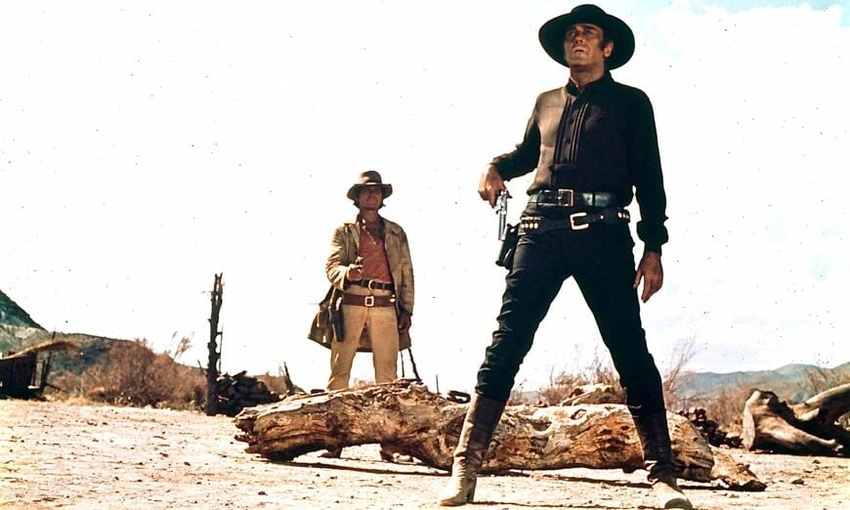
Spaghetti Westerns were not merely Westerns made in Europe. They were a radical counterpoint to the sanitized, morally clear-cut American Westerns of the era. Hollywood was constrained by the Hayes Code. Italian filmmakers, however, operated in a morally ambiguous realm. Justice was not guaranteed by a badge. It often came via an anti-hero and a massacre.
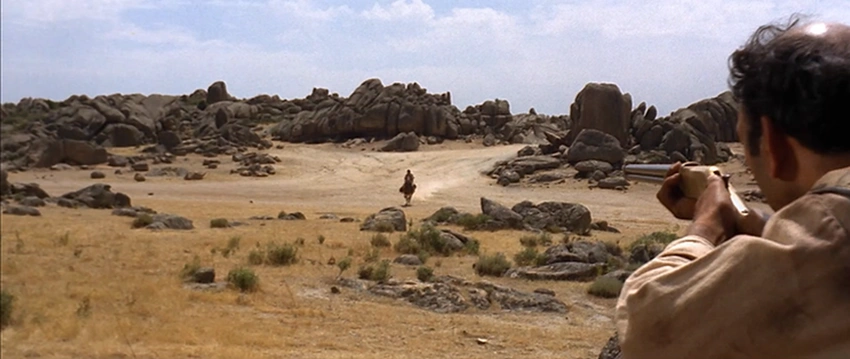
These films were grittier, earthier, and more violent. Towns were dilapidated. Everything was muddy or dusty. Characters wore dirty, worn clothes. Protagonists were not clear-cut good guys. They were often "neither truly good or bad (or ugly)." This was a stark contrast to the ruler sharp division between the good guys and the bad guys in classic American Westerns. This moral complexity was a deliberate choice. It was a rejection of simplistic narratives. This thematic liberation was a crucial prerequisite for the artistic depth and innovation that followed. It enabled a more nuanced and impactful storytelling. The transformation was not just about new cinematic techniques. It was about a bolder, more realistic portrayal of human nature and justice. This freedom was essential for the artistic innovation that followed.
The term "Spaghetti Western" itself was coined by Spanish journalist Alfonso Sánchez Martínez in 1966. It was a direct reference to the Italian origin of these films, much like "Meatball Westerns" or "Macaroni Westerns". This label, however, was often used dismissively by Hollywood. These films were seen as "low budget" and featuring "questionable morals". They were "looked down upon" and dismissed as mere "drive-in pulp entertainment". Even Ennio Morricone, the legendary composer, considered the term an "insult" to Sergio Leone's work, stating, "Spaghetti is something you eat, the work of Leone is certainly not something you eat". This highlights the initial disdain from the established cinematic world.
Sergio Leone, The Architect of a New Cinematic Language
Sergio Leone was not just a director, he was a cinematic genius. His approach redefined what a Western could be. He pushed boundaries in every aspect of filmmaking.
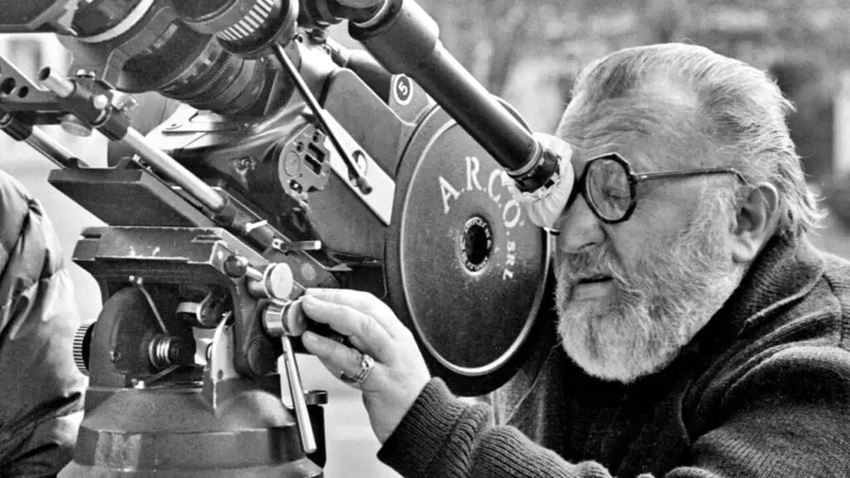
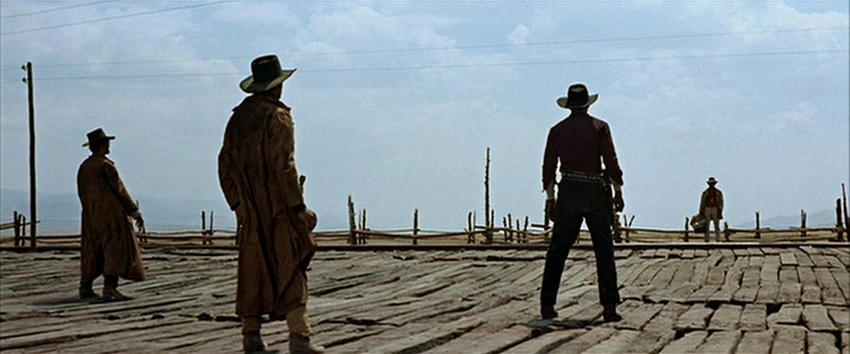
Leone mastered the juxtaposition of extreme close-up shots with expansive long shots. This was not just visual flair. It was a storytelling device. Extreme close-ups, often on eyes or faces, built unbearable tension. They drew the audience into the characters' internal states and impending actions. He famously broke rules, centering subjects in close-ups to heighten impact. Sweeping long takes, elaborate blocking, and characters "popping into scenes" or "turning to reveal their faces" created depth and surprise. Every frame counted. His editor, Nino Baragli, played a crucial role. His work was described as "mathematical" in crafting these thrilling moments.
A Fistful of Dollars, released in 1964, was the film that truly brought this style to the forefront. It was followed by masterpieces like Once Upon a Time in the West in 1968.
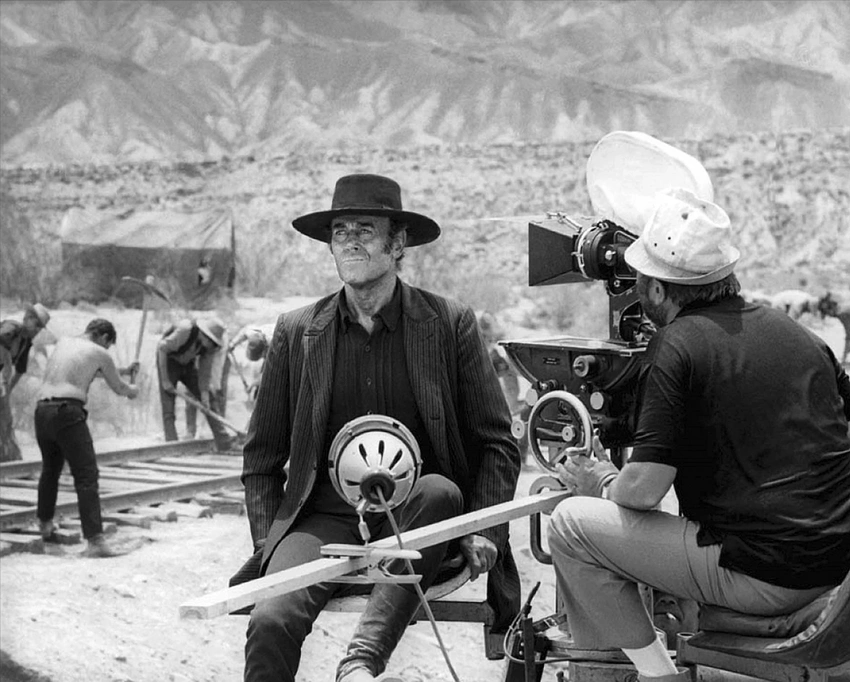
Ennio Morricone's scores were not mere background music. They were integral to the narrative, almost characters themselves. Leone famously shot films silently. He played Morricone's music on set to get actors in the right mood. This unique process forged an unparalleled connection between the soundtrack and the on-screen action. This indicates that the auditory experience was not an afterthought.
It was a foundational element of his creative process. It was deeply intertwined with the visual storytelling from conception. This approach, where sound and music were designed to evoke specific moods and build tension alongside the visuals, allowed for a level of integration rarely seen in conventional Hollywood. Morricone's innovation stemmed from his background in "anti-musical systems" and "noise-making techniques".
He used unconventional instruments and sounds: trumpets, whistles, whips, gunshots, and the then-new Fender electric guitar. Even the human voice was used as a melodic instrument, with calls, whistles, and whoops. The iconic two-note opening trill of The Good, the Bad and the Ugly theme, released in 1966, reminiscent of a coyote's howl, became a motif for characters. This collaborative, deeply integrated artistic process resulted in films where every element served the overarching narrative and emotional impact. This holistic vision made Leone's films "pure cinema". It was a true artistic transformation, demonstrating immense creative effort.
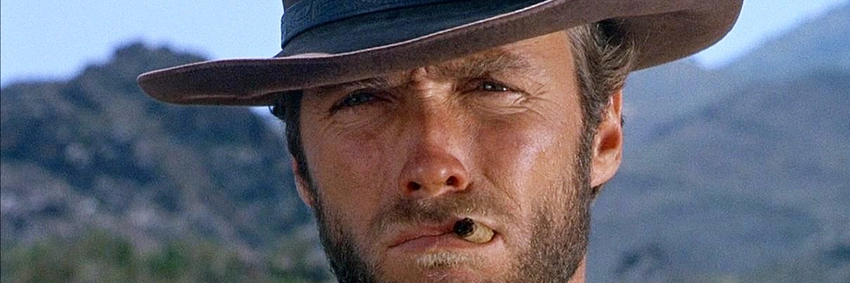
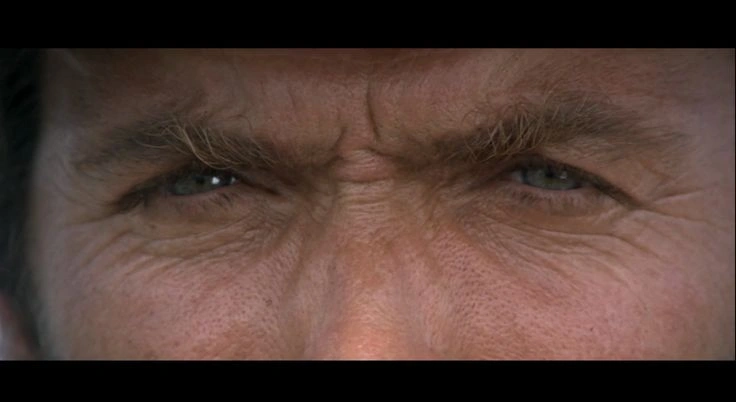
A classic extreme close-up shot of Clint Eastwood's eyes from The Good, the Bad and the Ugly or A Fistful of Dollars, embodying Leone's signature technique.
Spaghetti Westerns' Enduring Legacy
The impact of Spaghetti Westerns transcended the genre itself. It embedded itself deeply into global pop culture for decades. Their stylistic innovations, anti-heroes, and iconic scores became a blueprint for future generations of filmmakers.
Quentin Tarantino, a self-professed cinephile, is perhaps the most prominent modern director to wear his Spaghetti Western influence on his sleeve. His films, even non-westerns like Pulp Fiction and Kill Bill, are saturated with Leone's fingerprints. Tarantino directly lifts shots from Leone and Sergio Corbucci.
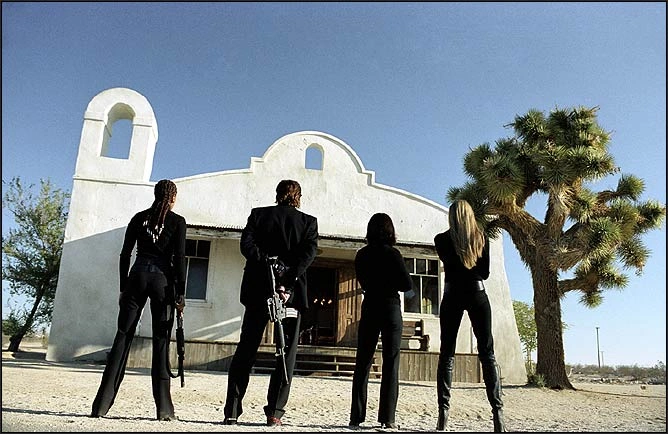
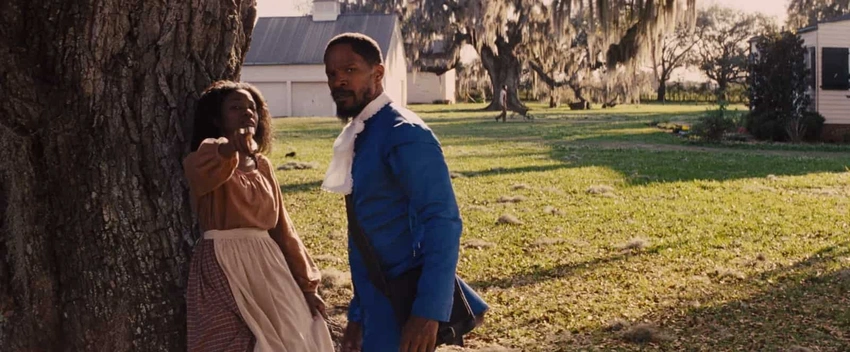
For instance, in Django Unchained, released in 2012, he recreated the smoke clearing shot from Leone's A Fistful of Dollars, released in 1964. The brutal, bloody vision of Corbucci's Django, released in 1966, influenced Django Unchained directly. Even the infamous ear-cutting scene in Reservoir Dogs, released in 1992, is a nod to Django's torture scene. Tarantino frequently reuses tracks from Ennio Morricone's scores, notably from
The Mercenary, released in 1968. The blood pouring from the flower in Django Unchained references a shot from the same film. His film Once Upon a Time in Hollywood, released in 2019, directly references the title formula of Leone's Once Upon a Time in the West, released in 1968, and Once Upon a Time in America. Even Sam Peckinpah's The Wild Bunch, a Hollywood Western released in 1969, showed clear Spaghetti influence. It blended traditional and gritty anti-western elements. Tarantino himself called The Wild Bunch's final shootout "a masterpiece beyond compare".
The idea that Spaghetti Westerns became a gateway to classic westerns is profound. It implies a broader cultural impact beyond just critical or industry-internal influence. By presenting a more violent, gritty, and stylish version of the Western, these films appealed to new audiences.
This included younger demographics, who might not have engaged with traditional Hollywood Westerns. This new generation of viewers, exposed to the genre through the lens of Leone and Corbucci, then grew up to become filmmakers themselves, like Quentin Tarantino. Tarantino, in turn, re-interpreted and popularized these influences. This created a continuous cycle of artistic inspiration and audience engagement.
A genre initially seen as "smaller studio/independent films vs Hollywood blockbuster" ultimately revitalized and ensured the longevity of the entire Western genre. It is a testament to the enduring power of innovation, even if initially controversial, to shape future artistic endeavors and maintain cultural relevance across decades.
Bollywood's Debt to the West
The influence of Spaghetti Westerns was not confined to Hollywood or European cinema. It dramatically reshaped the landscape of Bollywood in the 1970s, leading to some of its most iconic films. The seminal Bollywood film Zanjeer, released on May 11, 1973, was directly "inspired" by Giulio Petroni's 1967 Italian Spaghetti Western, Death Rides a Horse.
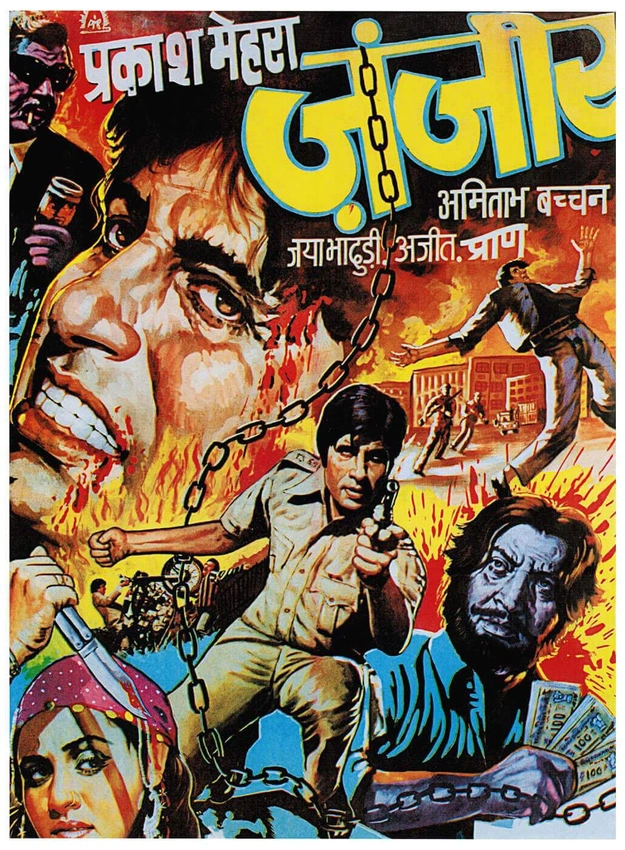
Death Rides a Horse, released in Italy in August 1967 and in the US/UK in 1969, tells the story of Bill. He is a boy who witnesses his family's massacre. He seeks revenge 15 years later, eventually teaming with a gunfighter, Ryan, who was framed by the same villains. Bill identifies the killers by distinct characteristics like a tattoo, scar, or earring.
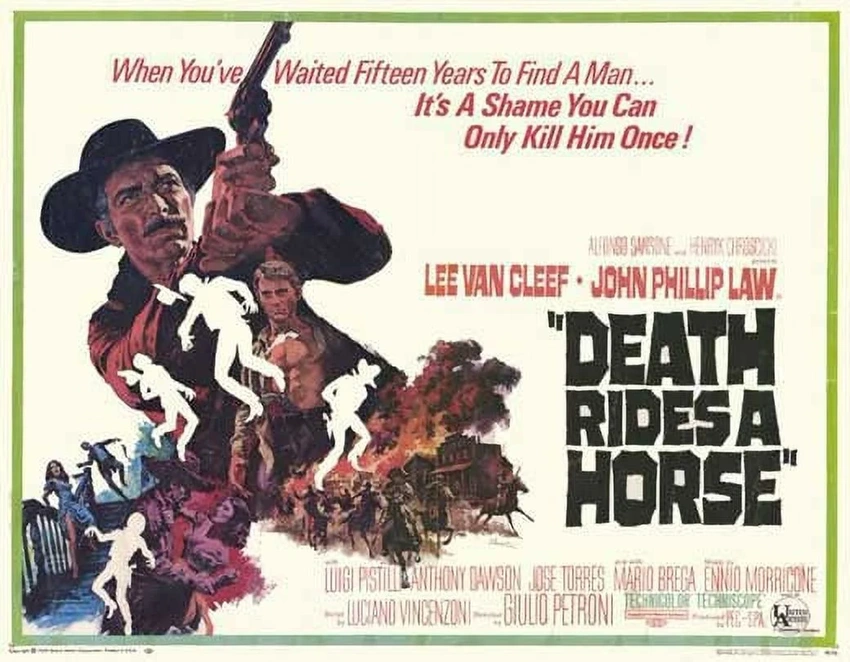
Zanjeer mirrors this revenge narrative. Vijay Khanna, as a child, witnesses his parents' murder by a man with a white horse charm bracelet. Twenty years later, as an inspector, he pursues a crime boss, Teja. He eventually recognizes the charm bracelet, confirming Teja as the killer.
This film was revolutionary for Bollywood. Written by Salim-Javed, it introduced Amitabh Bachchan's "angry young man" persona. This character, a "tough, focused" cop willing to operate "outside the law", starkly contrasted with the "gooey romantic hero" prevalent in Hindi cinema at the time.
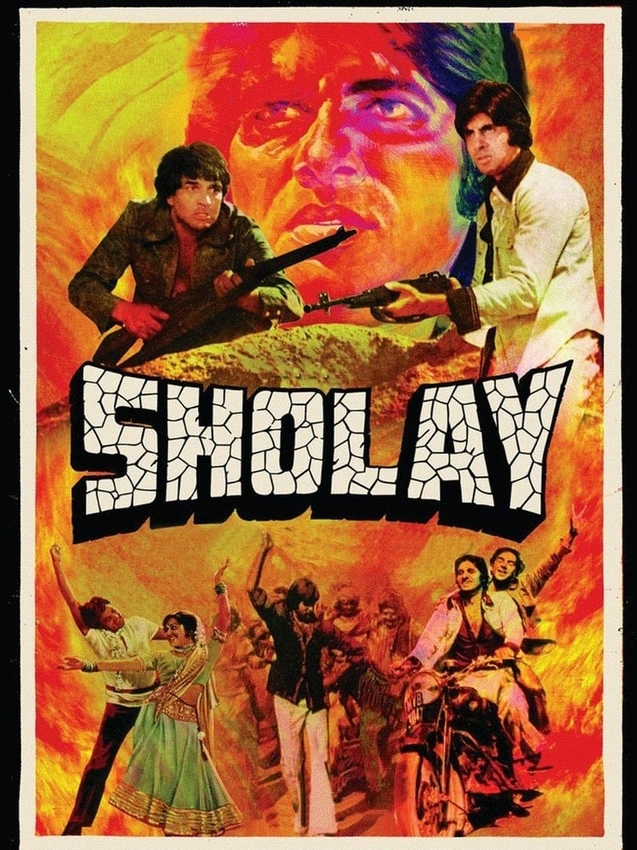
Released on August 15, 1975, Sholay is often cited as Bollywood's definitive Western. It was a grand spectacle that drew heavily from the Spaghetti Western playbook. Its influences include Sergio Leone's Once Upon a Time in the West, released in 1968, alongside other classics like Seven Samurai and The Magnificent Seven. The background music, particularly the use of a mouth organ, bore a striking similarity to the score of Once Upon a Time in the West.
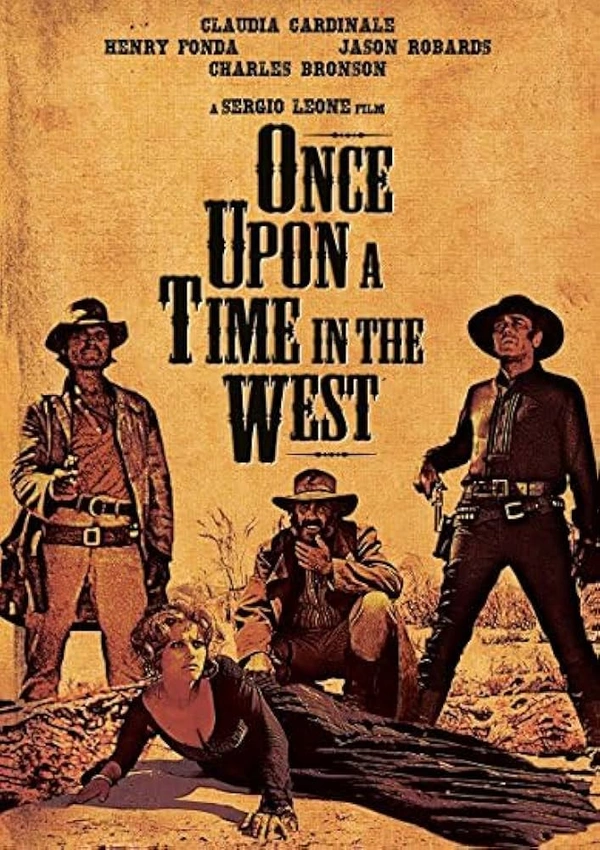
The direct inspiration of Zanjeer from Death Rides a Horse establishes a clear causal link. The deeper impact lies in how this influence manifested. Zanjeer did not just copy a plot. It adopted and popularized a character archetype – the "angry young man". This directly mirrors the morally ambiguous, law-defying anti-heroes of Spaghetti Westerns. This character resonated deeply with the "disillusionment" of the Indian youth. They sought a hero who could solve problems even "outside the law".
This demonstrates how cinematic archetypes, born from specific cultural contexts, can transcend national borders. They become powerful symbols in entirely different societies. The "angry young man" became a defining figure in Indian cinema for decades. This proved the universal appeal of characters who challenge established norms and seek justice on their own terms. It is a direct legacy of the Spaghetti Western's anti-hero.
Was the Renaissance Truly European?
While the Spaghetti Westerns undeniably ignited a cinematic revolution, a deeper look reveals that the seeds of this "renaissance" might have been sown much further east.
Sergio Leone's groundbreaking A Fistful of Dollars, released in Italy on September 12, 1964, launched the Dollars Trilogy and Clint Eastwood's career. This film was a "clear copy" of Akira Kurosawa's Japanese samurai epic,Yojimbo, released on April 25, 1961.
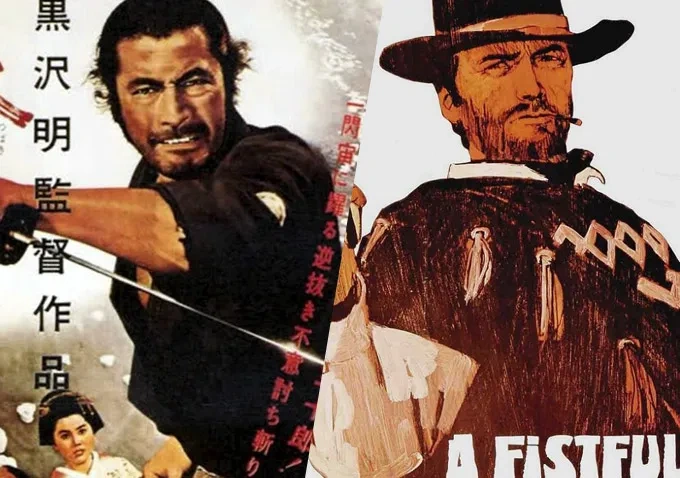
The similarities are undeniable. Both films feature a nameless protagonist, a ronin in Yojimbo, the Man With No Name in A Fistful of Dollars. This character wanders into a town torn apart by warring criminal gangs, Yakuza or smugglers. They use trickery to pit them against each other.24 The extent of the similarity led to a lawsuit from Yojimbo's production company, Toho, against Leone. Yojimbo itself was a massive success globally. It influenced the Western genre as a whole.
Decades later, another iconic "American" masterpiece, Martin Scorsese's The Departed, released on October 6, 2006, won the Academy Award for Best Picture and Best Director. This film was a direct remake of the Hong Kong film Infernal Affairs, released on December 12, 2002.
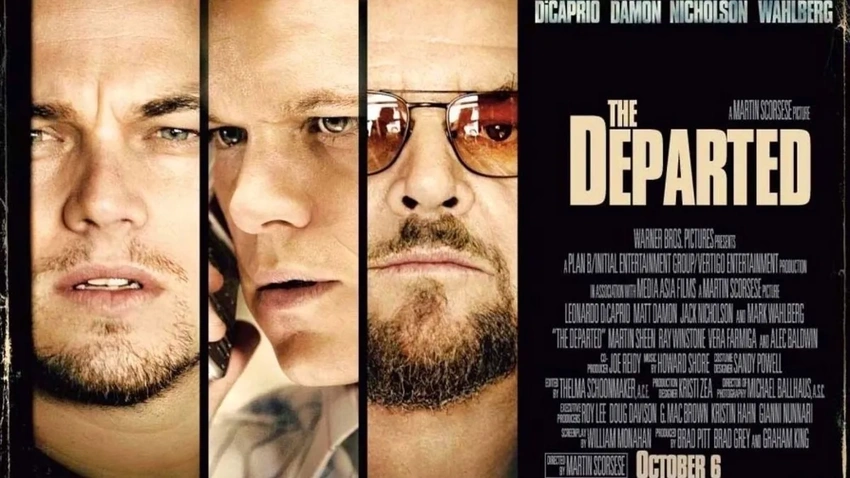
This further illustrates a pattern of Western cinema drawing profound inspiration from East Asian narratives. The explicit confirmation that A Fistful of Dollars was a "clear copy" of Yojimbo and the subsequent lawsuit fundamentally challenges the notion of a purely European transformation. This is not merely an instance of influence but a direct adaptation. Similarly, The Departed being a remake of Infernal Affairs reinforces a pattern of Western cinema drawing heavily from East Asian narratives.
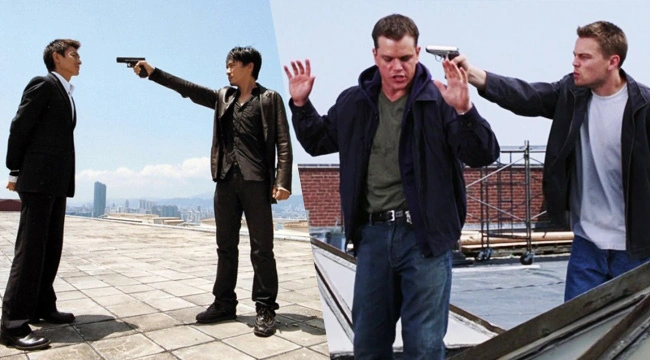
The "renaissance" was less about a singular, geographically isolated origin point. It was more about a powerful reinterpretation and popularization of existing global cinematic ideas. European filmmakers, particularly Leone, took a concept from the East. They infused it with their unique stylistic and thematic innovations: moral ambiguity, grittiness, integrated sound design. They then propelled it to global prominence. This, in turn, influenced other industries like Bollywood.
Why Hollywood Ignored the Revolution
Despite their groundbreaking impact and global influence, Spaghetti Westerns, particularly Sergio Leone's masterpieces, were largely ignored by the Academy Awards. This was not an oversight; it was a reflection of Hollywood's prevailing biases at the time.
Firstly, the "Spaghetti Western" label itself carried a derogatory connotation, dismissing these films as "drive-in pulp entertainment". They were seen as low-budget foreign productions, often dubbed, and featuring more violence and morally ambiguous characters than traditional Hollywood fare. This contrasted sharply with the "fairy tales of good old times" that classic American Westerns often presented. The Academy, representing the Hollywood establishment, was slow to embrace such radical departures.
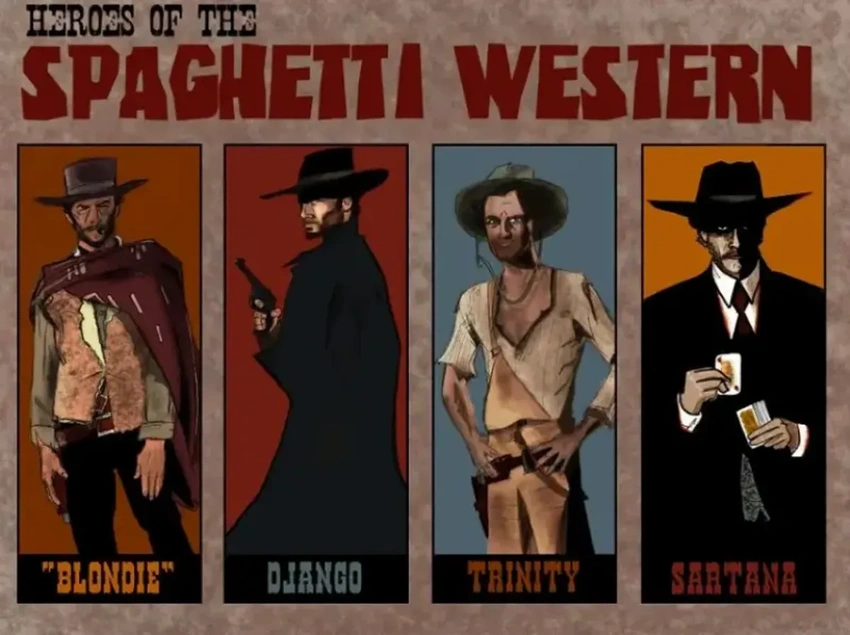
Secondly, the Western genre as a whole was rarely honored by the Oscars. In the first 60 years of the Academy Awards, only one Western had ever won Best Picture. This genre bias meant that even critically acclaimed American Westerns often went unrecognized. For foreign-made Westerns, the hurdle was even higher.
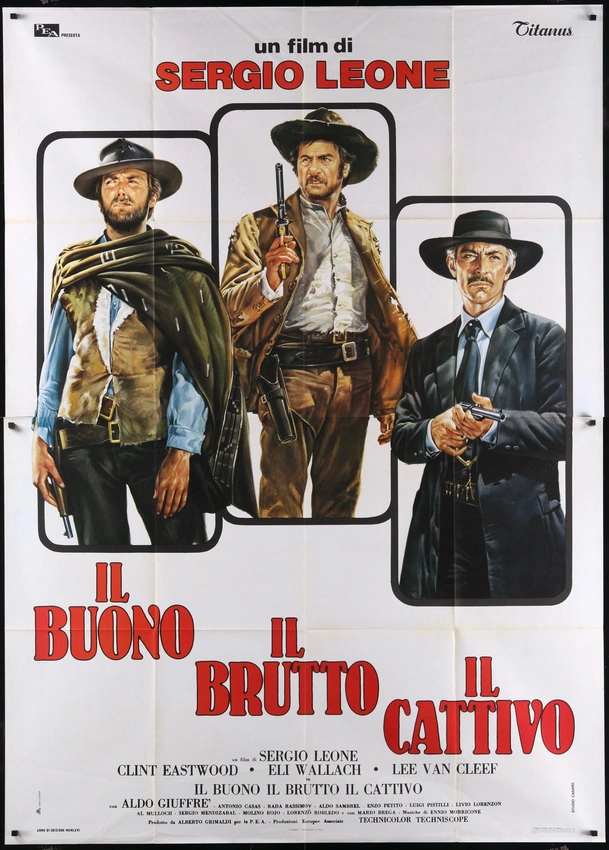
The Good, the Bad and the Ugly, for instance, was an Italian production, initially released in Italian in 1966, and only later in English in the U.S. in 1967-68. Academy rules at the time made it difficult for foreign films to compete for major awards, especially if they weren't specifically campaigned for by major distributors. The Dollars Trilogy was dumped in the U.S. market, and Clint Eastwood was not yet the Oscar-nominated star he would become decades later.
While A Fistful of Dollars did win Best Score for Ennio Morricone at the Italian National Syndicate of Film Journalists, and The Good, the Bad and the Ugly received a Laurel Award for Clint Eastwood, these were not the prestigious Academy Awards. The Academy simply wasn't ready to accept new bold maverick genre that challenged its conventions.
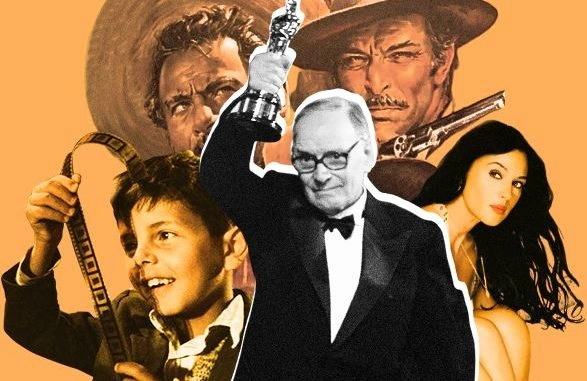
The Ever-Evolving Canvas of Cinema Beyond the Borders
The argument stands, the 1960s Spaghetti Westerns, spearheaded by Sergio Leone, were undeniably a pivotal force. They were a true renaissance that injected raw vitality and artistic daring into a genre that had grown stale. They revolutionized cinematography, sound, and narrative structure. They influenced generations of filmmakers from Tarantino to the architects of Bollywood's angry young man.
Yet, the journey of these ideas reveals a more complex, beautiful truth. The very foundation of Leone's revolution, A Fistful of Dollars, was built upon the genius of Akira Kurosawa's Yojimbo. And later, a celebrated American film like The Departed found its soul in Hong Kong's Infernal Affairs. This does not diminish the brilliance of the Spaghetti Westerns. It enriches their legacy. It underscores that cinema, as the ultimate expression of art, is a fluid, globally interconnected phenomenon. Creative effort knows no borders. It borrows, transforms, and re-invents. It creates a magnificent, ever-evolving tapestry that continuously pushes the boundaries of storytelling.
