The Death of Ethical Fashion: Is Everlane Selling Its Soul to Shein?

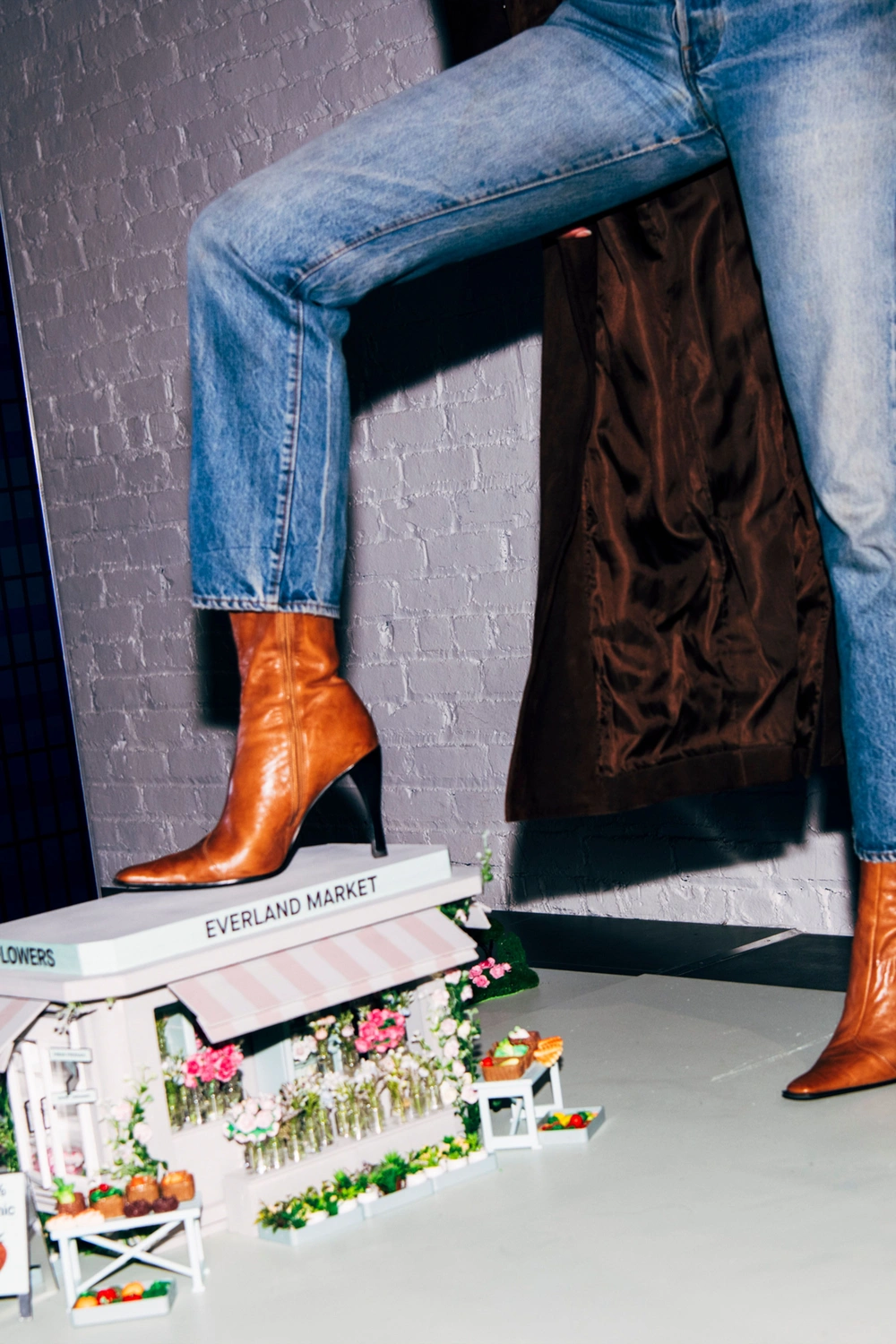
The Death of Ethical Fashion: Is Everlane Selling Its Soul to Shein?
When the icon of radical transparency joins forces with the king of ultra-fast fashion, the dream of sustainable shopping officially dies. Is it time to face the truth?
The End of an Era: Why the Everlane-Shein Deal Breaks Our Hearts
We all remember the early 2010s. It was the era of radical transparency, basic organic tees, and the promise that we could shop our way to a better planet. Brands like Everlane were the poster children for a new kind of consumption. They told us exactly how much our clothes cost to make and promised a middle ground between luxury and the landfill.
But with the news of Everlane being acquired by the ultra-fast fashion giant Shein, that dream has not just faded; it has officially imploded. To many, this merger feels like a betrayal of the highest order. How does a company built on the ethos of fewer, better things align itself with a brand that thrives on millions of new styles and bottom-of-the-barrel prices? It is the ultimate irony. Critics are calling it a white flag, an admission that the slow fashion model simply cannot survive the relentless pressure of the modern market.
The Survival Paradox
On the flip side, some industry insiders argue this was inevitable. They suggest that for sustainable practices to actually scale, they need the infrastructure and logistics that only giants like Shein possess. But let us be real: can you really inject sustainability into a business model designed for disposability? It feels like trying to put out a forest fire with a single reusable water bottle. The sheer volume of production required by fast fashion giants is the antithesis of everything the ethical fashion movement stood for.
The Hard Truth for Consumers
Maybe it is time to admit that our shopping habits were never going to save the world. We spent a decade believing that if we just chose the right brand, we could maintain our lifestyle without the guilt. We prioritized the aesthetic of ethics over the actual reduction of consumption.
- The era of the conscious consumer as a savior is over.
- Systemic change, not individual brand loyalty, is the only path forward.
- Fast fashion has won this round by absorbing its biggest critics.
If the icons of millennial sustainability are selling out, it proves that voting with your wallet has its limits. The market demands growth at any cost, and unfortunately, the cost this time was the very soul of the ethical fashion movement. It is a bitter pill to swallow, but perhaps it is the wake-up call we actually need to stop shopping and start demanding real regulation.
