Delhi’s air stays in very poor zone despite sunny morning

Delhi’s air stays in very poor zone despite sunny morning
A sunny Delhi morning fails to lift air quality, with AQI hovering in the very poor range as stage-3 restrictions continue and schools move indoors.
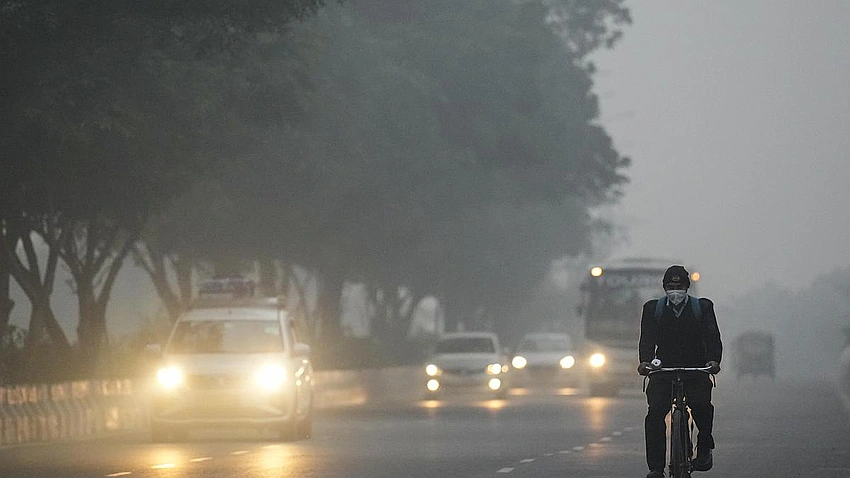
Delhi woke up to a relatively clear and sunny morning, but stagnant air kept the city firmly in the 'very poor' category for air quality. By 10am, the 24-hour rolling average AQI stood at 361, just a notch lower than the 364 recorded on Friday evening. The air was not ready to shed the pollutants that have plagued the capital for days, and the risk of slipping toward the 'severe' band remains a concern. Stage 3 of the Graded Response Action Plan (GRAP) remains in force, restricting non-essential construction, demolition, and certain vehicle categories, including those below Bharat Stage IV emission standards. Residents have been advised to limit outdoor activity, especially in the early morning and late evening hours. Schools and educational institutions were also urged to keep outdoor sports to a minimum to protect students from exposure to the polluted air.
The minimum temperature at Safdarjung around 10am was 11.8°C, about 0.5°C above normal and 0.6°C higher than the previous day. Meteorologists predict the lower limit of the temperature to hover between 9°C and 11°C over the next few days, a pattern that often traps smog and keeps the air stagnant. The combination of cool mornings and limited air mixing tends to trap pollutants near the ground, prolonging the very poor air quality several hours after sunrise.
Municipal and civic officials have faced scrutiny over dust management and road conditions. A standing committee meeting of the Municipal Corporation of Delhi highlighted road dust as a persistent issue—attributed to damaged roads and inadequate mechanical cleaning. The committee pointed out that already restricted activities under GRAP are undermined when road dust and debris accumulate, suggesting that stricter enforcement and more aggressive cleaning would be necessary to improve air quality.
In several localities, the air quality has shown pockets of sharp deterioration. For instance, localities such as Wazirpur reported AQI spikes reaching the 'severe' range in recent measurements, underscoring the uneven distribution of pollution across the city. The broader administration continues to monitor the situation, with long-term plans for modernizing schools and infrastructure, including AI-enabled tools to help manage urban pollution more effectively. As officials weigh short-term restrictions against the need for daily activity and schooling, residents are reminded to take sensible precautions—mask up when stepping outdoors and minimize exposure during peak pollution hours.
Looking ahead, a fog forecast and lingering mist could compound the challenge, potentially trapping pollutants further and delaying the clearing of Delhi’s air. Citizens and authorities alike await more robust measures to curb dust, curb unnecessary travel, and accelerate clean-up efforts to move the city out of the current very poor air quality cycle.
Cover image source: Delhi's air remains in 'very poor' category with persistent smog despite slight improvement in AQI 🔗
