Minnesota Sues Over Immigration Crackdown as ICE Surge Expands

Minnesota Sues Over Immigration Crackdown as ICE Surge Expands
Minnesota files suit against the Trump administration over a DHS ICE surge into Minneapolis, citing safety risks and constitutional concerns.
Minneapolis residents woke to a new wave of federal immigration enforcement as the state of Minnesota filed suit against the Trump administration, arguing that the Department of Homeland Security's recent deployments violate the Constitution and threaten public safety. State Attorney General Keith Ellison announced the lawsuit after DHS surged more than 1,000 immigration officers into Minnesota, joining 2,000 other agents already active in the Minneapolis region. Ellison described the operation as a 'federal invasion' and said it disrupts communities and undermines safety.
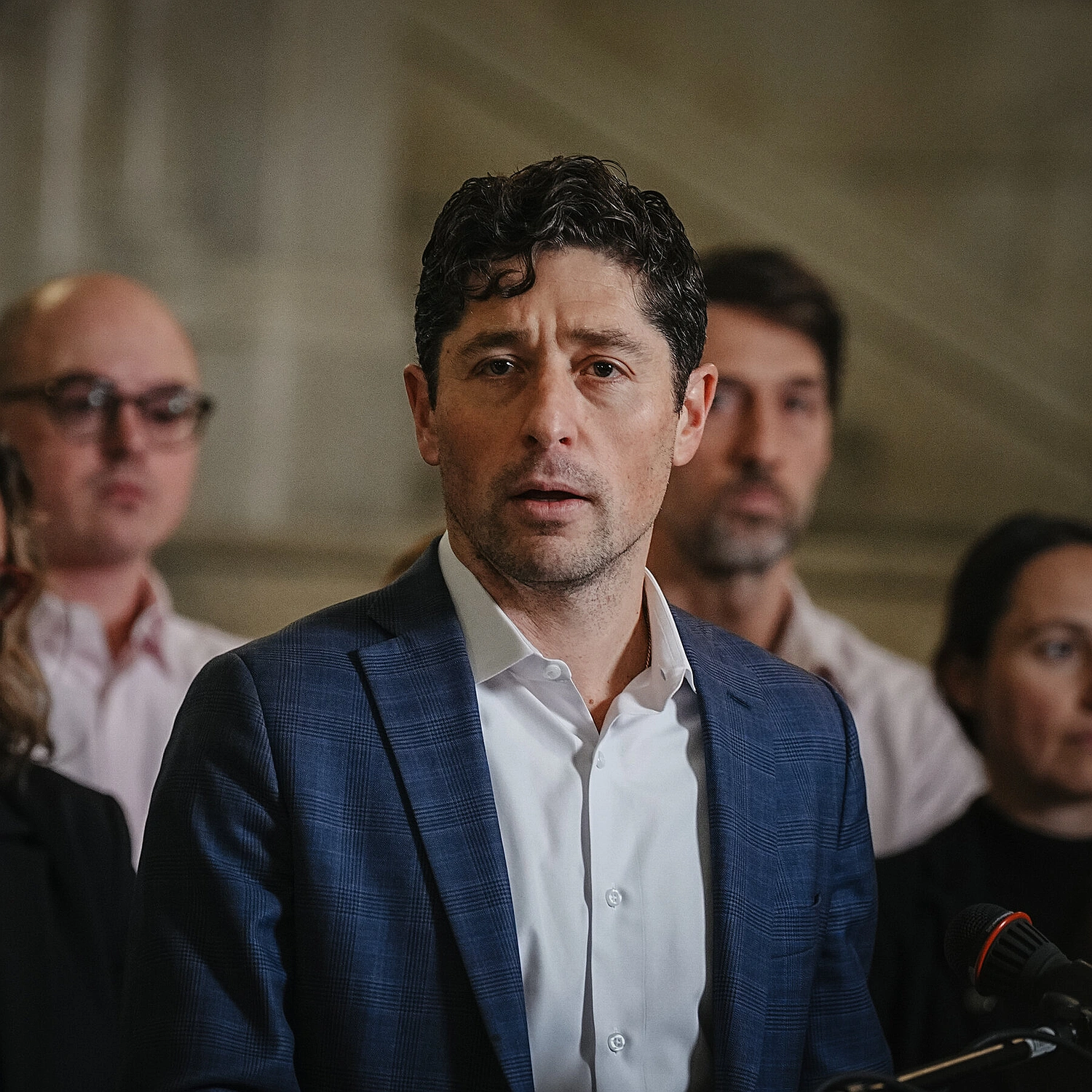
In the suit, Minnesota contends that the surge’s targeting of a state known for its diversity and Democratic leadership amounts to discrimination and overreach. Mayor Jacob Frey echoed the concern, noting that the tension from federal deployments can erode trust between residents and law enforcement, and underscored that many undocumented people live across states with Republican leadership while Minnesota faces different political dynamics.
The broader crackdown has sparked lawsuits from Illinois and prompted civil rights advocates to question whether the deployments are properly targeted or if they risk escalating confrontations with residents. The controversy intensified after the death of Renee Nicole Good, a 37-year-old American citizen shot by an ICE officer following a confrontation when her car allegedly moved toward the agent. Authorities defended the officer’s actions as self-defense, but critics say footage shows the vehicle turning away, fueling calls for greater transparency.
In response, Homeland Security Secretary Kristi Noem defended the actions and argued that agents operate within the law and the bounds of self-defense. Supporters insist the crackdown is necessary to deter illegal entry and address a border crisis, while opponents warn that the approach punishes ordinary people and destabilizes communities. The lawsuits seek a court order to block or limit the surge and to compel federal authorities to adhere to constitutional protections as the deployments continue in the region.
