Unlocking Bank Secrets: What Happens When a Bank Raises ₹500 Crore?

Unlocking Bank Secrets: What Happens When a Bank Raises ₹500 Crore?
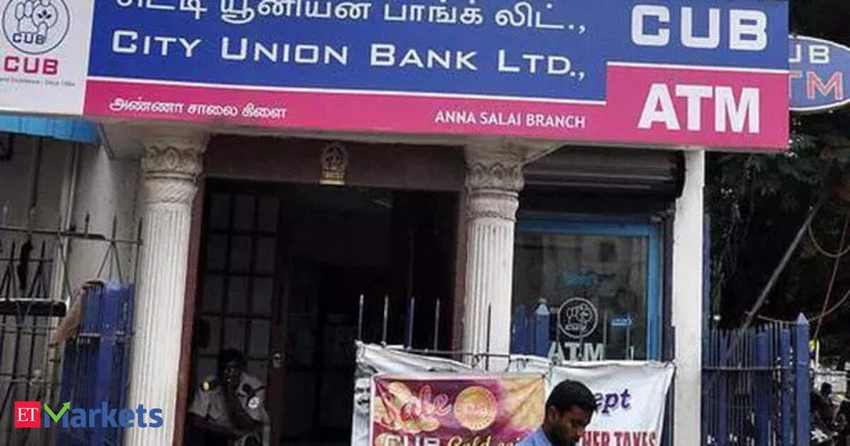
Ever wondered what a bank’s big capital raise means for you and the economy? City Union Bank is boosting its capital with ₹500 crore via QIP, fueling future growth and stability.
When a financial institution like City Union Bank signals its intention to raise a significant sum—say, ₹500 crore via a Qualified Institutional Placement (QIP)—it’s far more than just a boardroom maneuver. This isn't just about shuffling numbers; it's a strategic declaration that resonates through the financial markets and, ultimately, impacts the broader economy. So, what’s really going on behind the scenes, and how does this fuel tomorrow’s growth?
First, let’s demystify the ‘QIP’. Essentially, it’s a fast-track method for publicly listed companies, especially banks, to raise capital from institutional investors without the extensive paperwork of a public issue. For City Union Bank, this move to raise up to ₹500 crore is explicitly aimed at bolstering its capital base. Why is this crucial? A stronger capital base means the bank has more financial muscle. It can absorb potential losses more effectively, meet stringent regulatory requirements, and, most importantly, expand its lending capacity.
Think of banks as the circulatory system of an economy. More capital in the bank’s reserves means more oxygen—more funds—to inject into businesses, infrastructure projects, and personal loans. This directly translates to economic activity: small and medium enterprises can secure loans to expand, individuals can finance homes or education, and large-scale projects get the necessary backing to create jobs and drive development. For City Union Bank, gearing up with this additional capital means they’re positioning themselves to play an even more active role in the economic revival and growth story.
The bank’s board has already given its green light, with shareholder approval pending at their Annual General Meeting (AGM) scheduled for August 14, 2026. This date isn't just about the QIP; it’s also when shareholders will consider a substantial ₹2 per share dividend for FY26. To put that in perspective, it’s a 200% payout on the face value of ₹1 per share. This simultaneous move—raising capital while also proposing a generous dividend—sends a strong signal of confidence. It suggests that the bank is not only strengthening its foundation for future growth but also rewarding its existing investors, confident in its ability to generate profits.
This dual approach underscores a powerful message: City Union Bank is stable, growth-oriented, and investor-friendly. The ability to attract significant institutional investment through a QIP, combined with a commitment to shareholder returns, paints a picture of a well-managed institution with clear strategic objectives. In the grand scheme, when banks successfully execute such capital-raising exercises, it creates a ripple effect. It fosters trust in the financial system, encourages further investment, and ultimately, helps lay the groundwork for a more robust and dynamic economy. Keep an eye on how this capital infusion translates into tangible economic impact. It’s a blueprint for how financial institutions can actively participate in building a stronger tomorrow.
