The 'Skibidi' Effect: Decoding Gen Alpha's Wild Online World

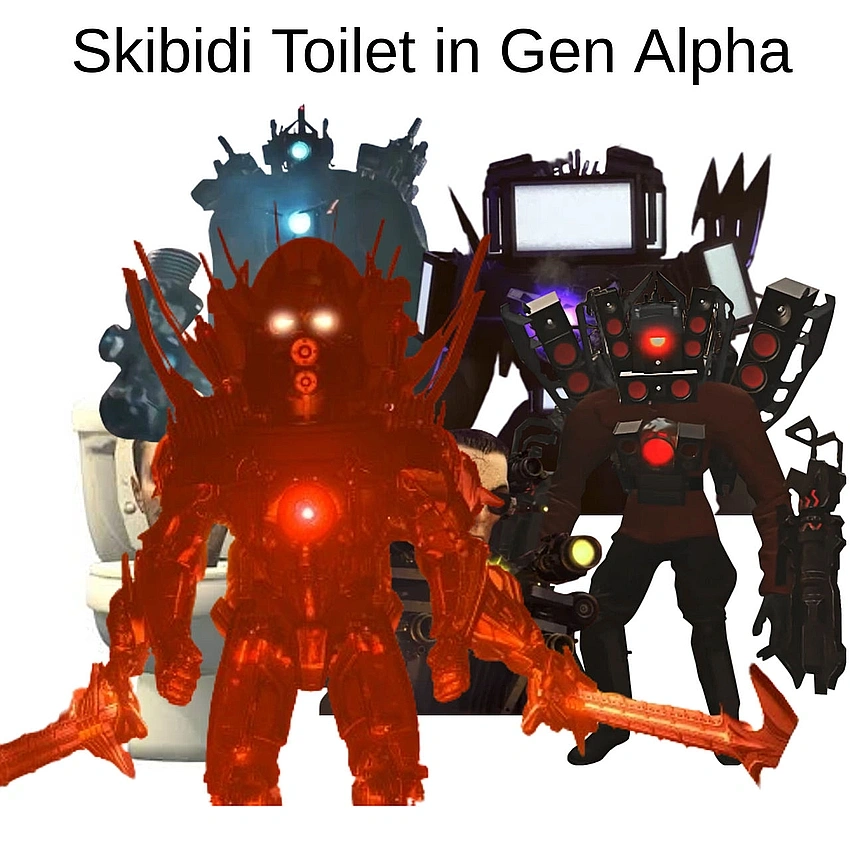
The 'Skibidi' Effect: Decoding Gen Alpha's Wild Online World
Gen Alpha’s 'Skibidi-style' humor is taking over. Is this absurdist trend a creative evolution or a worrying sign for attention spans? We explore the new language of a generation.
Ever scrolled through TikTok, stumbled upon a “Skibidi Toilet” animation, or heard terms like 'rizz' and 'gyatt' from a younger relative, and felt a profound sense of generational disconnect? You're not alone. Gen Alpha, born roughly between 2010 and 2024, is actively forging a unique digital culture, marked by rapid-fire absurdist humor, niche slang, and a phenomenon we call 'chaos culture'.
The big question is: is this a creative evolution of humor and communication, or a troubling indicator of declining literacy and attention spans?
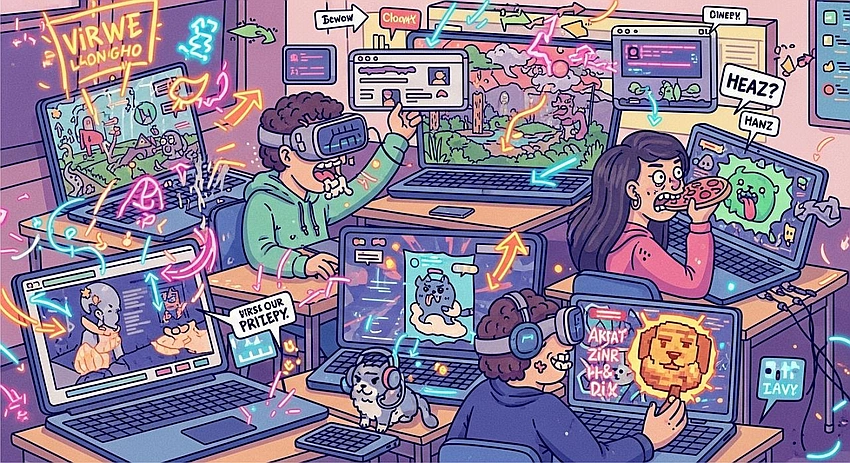
Welcome to Chaos Culture
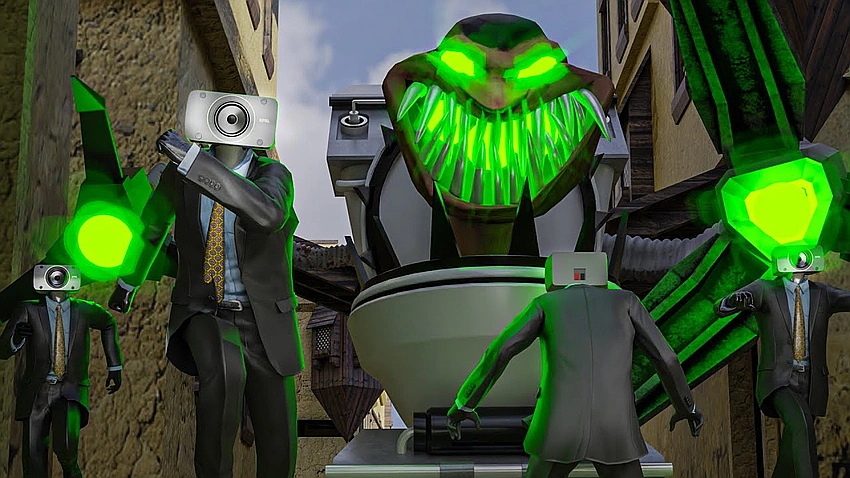
At the heart of this new cultural wave is content like the immensely popular “Skibidi Toilet” series.
Picture an endless war between singing human heads emerging from toilets and sentient cameramen.
It's bizarre, repetitive, and utterly nonsensical to many adults.
Yet, it's amassed billions of views, creating a shared experience and inside jokes for millions of young people. This isn't just about 'Skibidi': it's about a broader trend of highly visual, low-context, often meme-driven content that prioritizes immediate gratification and shared absurdity over traditional narratives or complex themes.
The Appeal of the Absurd
Why does this resonate so deeply?
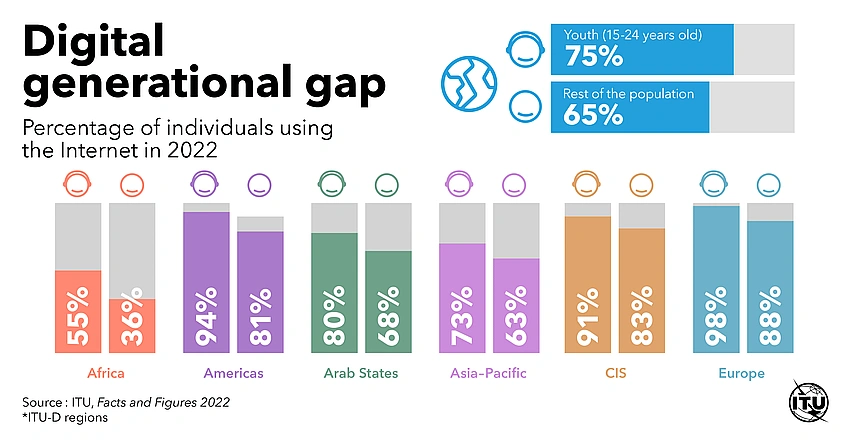
For Gen Alpha, who have never known a world without ubiquitous internet and algorithmically-driven feeds, attention is a currency.
Fast-paced, unpredictable content breaks through the noise.
This humor provides quick dopamine hits, fosters a sense of belonging among those who 'get it,' and acts as a playful rebellion against conventional media. It's also incredibly democratic: anyone with an idea can contribute to the chaos, making it feel authentic and peer-driven.
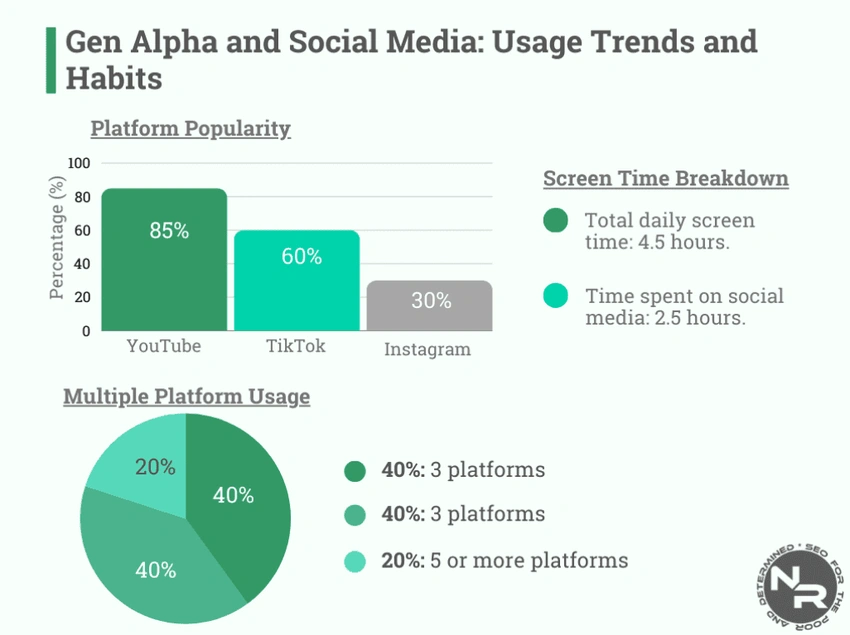
A New Lexicon, New Concerns
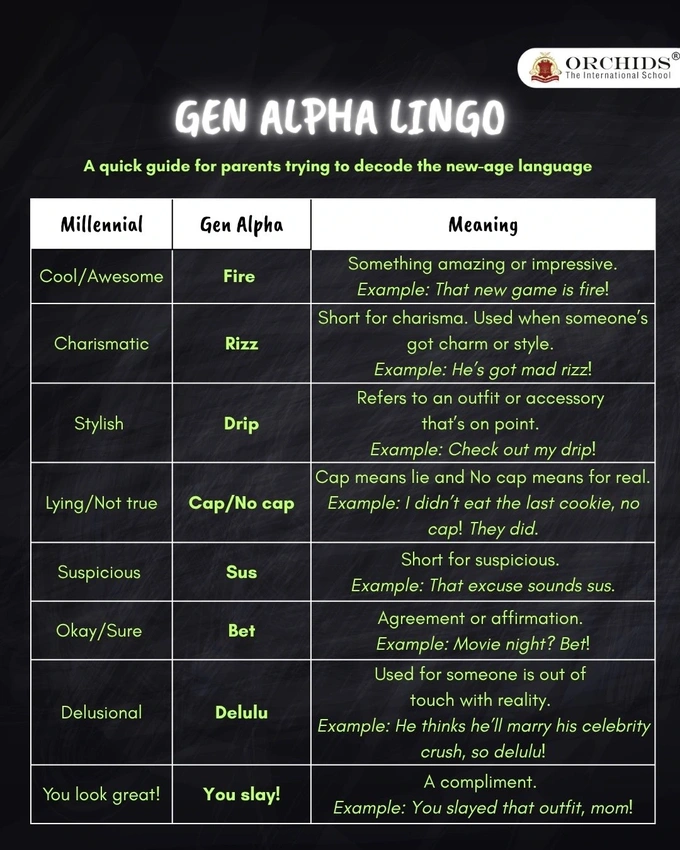
Beyond the visuals, Gen Alpha's slang develops at warp speed. Words like 'rizz' (charisma), 'gyatt' (a large backside), and 'fanum tax' (taking a portion of someone's food) emerge, spread, and evolve almost overnight.
This linguistic agility is impressive, but it naturally sparks concern.
Critics worry that this reliance on visual gags and truncated language signals a decline in verbal literacy and the ability to engage with longer, more nuanced forms of content. “Is our obsession with instant, bite-sized entertainment actually rewiring young brains?” many wonder, fearing a future generation less capable of deep reading or sustained focus.
More Than Just Noise?
However, to dismiss 'chaos culture' as mere noise misses a crucial point. Every generation invents its own slang and unique cultural expressions.
What appears nonsensical to older eyes might be a sophisticated form of social bonding and identity-building for the young.
This rapid, ever-changing lexicon and visual language could be seen as an adaptive response to an information-saturated world, a way to filter, connect, and express themselves in a landscape where traditional communication often feels too slow or formal. It's a testament to creativity, even if that creativity manifests in ways older generations don't immediately understand or appreciate.
The Echoes of a New Era
Whether 'Skibidi-style' humor and its accompanying slang are a fleeting trend or a fundamental shift in human expression remains to be seen. What's undeniable is that Gen Alpha is molding the digital landscape in their own image, creating a vibrant, albeit chaotic, space for connection and creativity.
Perhaps instead of viewing it as a problem to be solved, we can observe it as a fascinating case study in how new technologies continuously reshape culture, language, and humor. Understanding this generation isn't about judging their preferences, but about recognizing the dynamic ways they navigate and interpret their rapidly evolving world.