Delhi-NCR Crackdown on Polluting Industries as Emission Monitor Deadline Nears

Delhi-NCR Crackdown on Polluting Industries as Emission Monitor Deadline Nears
Centre orders real-time emission monitors by Dec 31 for high-polluting units in Delhi-NCR; thousands face action as plans for 2026 air quality take shape.
Amid ongoing hazardous air quality, the Centre has directed Delhi-NCR authorities to crack down on highly polluting industries missing the December 31 deadline to install real-time emission monitoring systems and air pollution control devices. The decision was taken at a review meeting chaired by the Union Environment Minister. The CPCB has flagged that 2,254 red-category industries in Delhi-NCR have not yet installed and connected their Online Continuous Emission Monitoring Systems to the CPCB server, warning that strict action, including closure, will follow for those failing to comply. All medium and large red-category units in the food and food processing, textile, and metal processing sectors must install OCEMS for real-time monitoring of emissions, stack gases, and industrial operations.
The government is also pushing states to finalize their 2026 air pollution control plans within this month, signaling a tighter, more comprehensive approach to curb pollution as winter air quality deteriorates. In parallel, the Commission for Air Quality Management chairperson announced that Punjab and Haryana have been asked to prepare an action plan this year to curb stubble burning during the next paddy harvest, with a meeting to be held soon in Chandigarh. An expert committee on vehicular pollution will be set up, and 62 congestion-linked pollution hotspots in Delhi have been identified, with agencies including traffic police and the public works department urged to act immediately.
These steps come as Delhi’s air has repeatedly breached severe and very poor categories in recent days, underscoring the urgency of enforcement and sustained policy measures. The combined push—from industry oversight to vehicular and agricultural controls—reflects a broader strategy to improve air quality in the capital region ahead of peak winter pollution months.
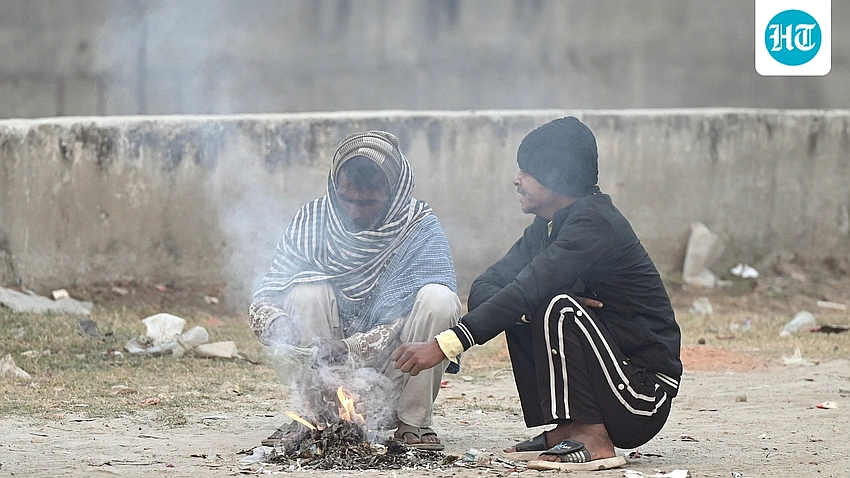
Cover image source: Delhi's air turns hazardous again with 19 stations breaching ‘severe’ mark 🔗
