Is the Kanye West Effect Killing Festival Sponsorships?

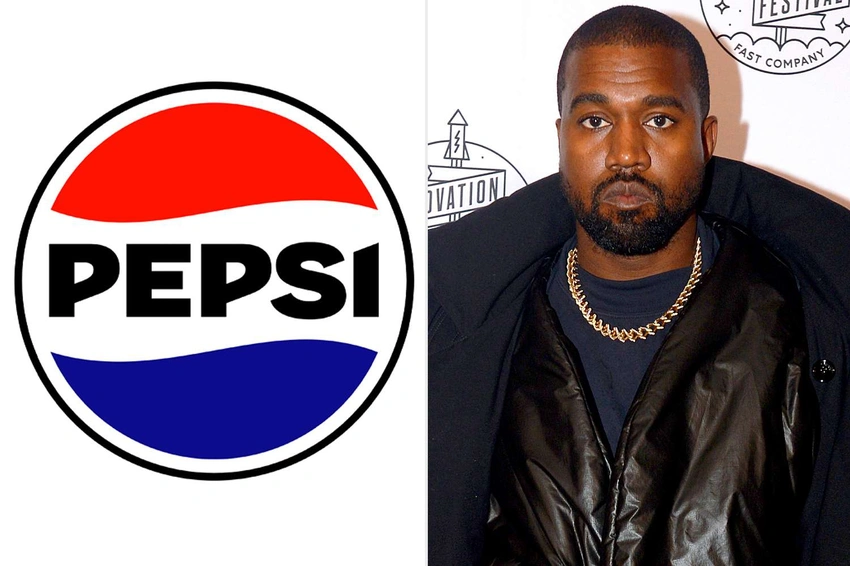
Is the Kanye West Effect Killing Festival Sponsorships?
When Pepsi and Diageo bail on a major festival, it's time to ask: Should festivals prioritize brand values over massive ticket-selling headliners?
The Price of a Headliner
We have reached a tipping point in the live music industry. For decades, the formula was simple: book the biggest, most provocative star on the planet and watch the ticket sales soar. But as the recent wave of sponsor departures from major festivals shows, the math is changing. When brands like Pepsi, Diageo, and Paypal start packing their bags the moment a controversial name appears on the poster, we have to ask ourselves: are festivals losing their soul or finally finding their spine?
Values vs. Volume
On one side, you have the festival organizers. Their job is to create an unforgettable experience and, let's be honest, make a profit. A headliner with massive star power brings an undeniable gravity. People will travel across continents to see a legendary performer. However, that drawing power now comes with a massive side of corporate anxiety.
When a sponsor pulls out, they are sending a message that their brand identity is no longer compatible with the artist's public persona. It is a calculated move. They are betting that the backlash from staying associated with a controversial figure will cost them more in the long run than the loss of visibility at the event. This puts festivals in a tough spot. Do they stick by the artist's right to perform, or do they pivot to keep the lights on?
The Ripple Effect for Fans
The real losers in this tug-of-war are often the fans. If a festival loses its primary financial backers, one of two things happens. Either the ticket prices skyrocket to cover the deficit, or the quality of the event drops. We are talking about fewer stages, worse sound systems, and less security. A festival is a curated ecosystem, and when the money leaves, the ecosystem suffers.
A New Standard
Moving forward, we might see more safe lineups. While that might keep the sponsors happy, it risks making festivals feel sterile. The industry needs to find a middle ground where artistic freedom and corporate responsibility can coexist, but for now, it seems the checkbooks are doing the talking. If festivals want to keep the big brands, they might have to start looking at more than just ticket-selling power when they book their next big act. The ethics of the headliner are now a permanent part of the business model.
