Telangana Assembly Opposes VB G RAM G, Demands MGNREGA Restoration

Telangana Assembly Opposes VB G RAM G, Demands MGNREGA Restoration
Telangana lawmakers unite to oppose the VB G RAM G Act, urging restoration of MGNREGA’s wage-on-demand guarantees and federal balance.
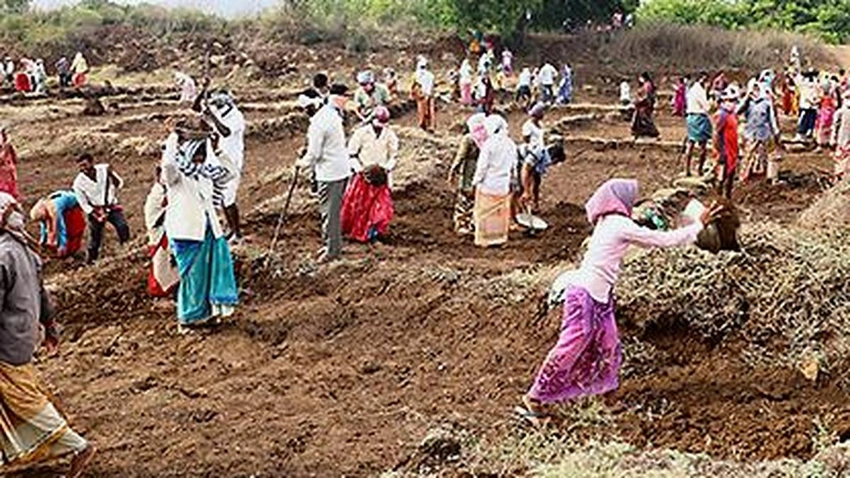
Hyderabad residents and rural workers could gain or lose depending on how the Centre handles the shift from MGNREGA to the VB G RAM G Act. In a motion moved by Chief Minister A. Revanth Reddy, the Telangana Legislative Assembly unanimously opposed the new Act, arguing it undermines the right to wage work and the core spirit of MGNREGA. The discussion highlighted the scheme’s impact on the poor, especially women and marginalized communities, and stressed the need to protect guarantees that were designed to provide steady rural employment.
Telangana officials pointed to data showing that nearly 90% of MGNREGA beneficiaries come from Scheduled Castes, Scheduled Tribes, and Backward Classes, with women making up about 62% of the workforce. The Chief Minister noted that MGNREGA was launched in 2005 to offer wage work on demand and address poverty, distress migration, and wage disparities. He argued the VB G RAM G Act dilutes the rights earned under the old framework and contradicts the federal spirit of funding for wage components.
A key point of contention is funding: the new Act reportedly requires 40% state funding for the wage component, whereas the old MGNREGA framework ensured central responsibility for wage payments. The 60-day break during peak farming seasons, the breadth of works covered (266 types), and the overall structure of wage guarantees were also cited as concerns. Supporters of the old Act emphasized the need for predictable, nationwide employment guarantees, while critics warned that the new Act could pave the way for cheaper labor in corporate interests.
The assembly noted that MGNREGA had become a lifeline for rural households across Telangana and urged the Centre to restore the Act in its original form, including restoring Mahatma Gandhi’s name to the scheme and ensuring a sustained, reliable flow of funds. The resolution positioned Telangana as a voice for rural workers, appealing to federal balance and the protection of wage rights as guarantees of social justice. The discussion in Hyderabad reflected a broader national debate, with Punjab already taking a similar stand, signaling potential pressure on the Centre to rethink the VB G RAM G framework.
