Sick of the Scroll? Why Gen Z is Seriously Done with Digital Overload

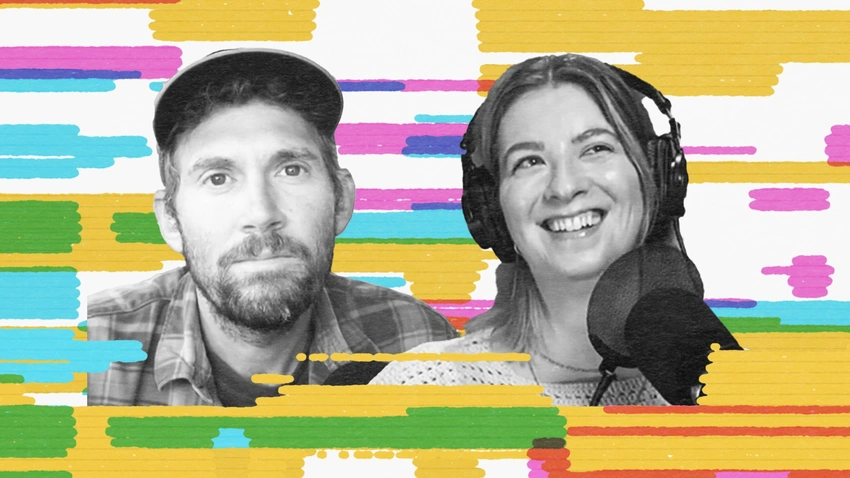
Sick of the Scroll? Why Gen Z is Seriously Done with Digital Overload
Are you feeling burnt out by endless feeds and screen time? You're not alone. We're diving into the growing movement of people, especially Gen Z, who are actively seeking to 'touch grass' and reclaim their attention from
Let's be real, that feeling of emerging from a scrolling session, hours lost, is all too familiar. It's a collective sigh of digital fatigue, and a growing number of people, particularly the younger generation, are ready to hit the reset button on their relationship with technology. It's a full-blown renegotiation.
We've all been there: mindlessly swiping, only to feel worse afterward. Many are getting tired of their phones, sick of the algorithms, and overwhelmed by what feels like a constant loss of control.
It's a sentiment perfectly captured by one recent observation: “Oh, sick.
Absolutely sick. It's like when the aliens get you, right? They take you up and then they probe you, or they do whatever they do, and then when you come back down, you don't know what happened.
It's erased.
It's lost time.”
This isn't just hyperbole. The physical and mental toll of constant connectivity is becoming undeniable. For many, it promotes a unique kind of self-loathing because, as one person put it, “it just feels like a deletion of my one precious life.” It's a stark realization that our brains are changing, and not always for the better, under the relentless barrage of digital stimuli.
Searching for ‘Lost Time’
There's a deep nostalgia for the pre-internet days, a yearning for genuine connection and uninterrupted thought. This isn't about shunning technology entirely, but rather about learning to use tech without letting it use us. It's the animating question behind conversations happening everywhere, from college dorms to co-working spaces.
Platforms themselves are evolving, and the conversation is buzzing around ideas like ‘how to touch grass’ — a phrase that perfectly encapsulates the desire to reconnect with the tangible world. It’s a movement towards finding balance, re-establishing boundaries, and seeking out moments of true presence.
Reclaiming Your Attention
So, what does this digital detox actually look like?
It’s not a one-size-fits-all solution, but it often involves:
- Setting clear boundaries: Designating screen-free times or zones.
- Mindful consumption: Being intentional about what you engage with online.
- Prioritizing real-world interactions: Making time for in-person activities and hobbies.
- Embracing boredom: Allowing your mind to wander and be creative without instant gratification.
The good news is that getting a little “lost” can actually be incredibly productive. It's in those moments of disconnect that our brains can truly rest, process, and innovate. The digital detox isn't just a trend; it's a vital re-evaluation of how we live in an increasingly connected world.
What’s Your Take?
Are you feeling the pull to go offline more? What strategies have you found effective in renegotiating your relationship with your phone and the digital world? Share your thoughts below!

Login to comment.
No thots yet. Be the first to share your thoughts!