How Ted Turner Shaped a Global Media World with CNN

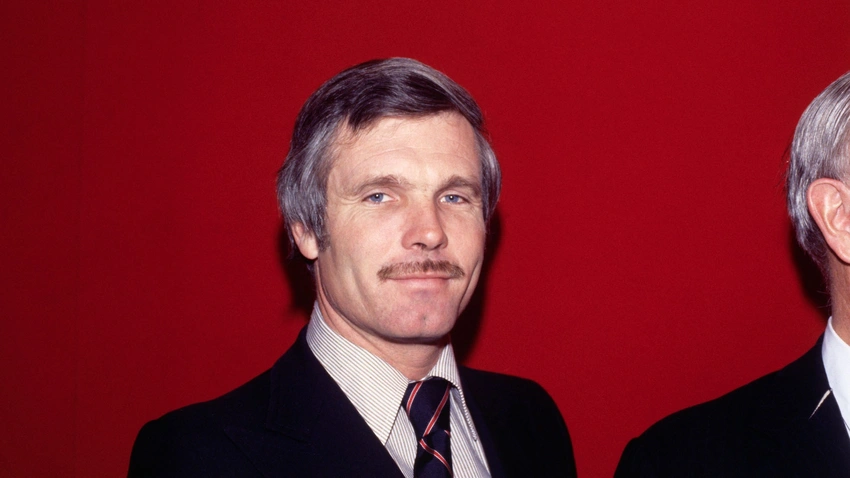
How Ted Turner Shaped a Global Media World with CNN
As CNN celebrates its enduring impact, we revisit Ted Turner’s bold gamble that transformed cable news, reshaped culture, and sparked a global media revolution.
On the eve of its long, winding journey, CNN didn’t just launch a cable channel; it launched a new way of seeing the world. Ted Turner, the outsized impresario behind the idea, bet that constant, around-the-clock reporting would reshape politics, markets and everyday life. When CNN went live in 1980, the idea of news as a 24-hour, global conversation seemed radical—and for many, risky. Yet Turner’s gamble paid off in ways he could scarcely imagine, turning Atlanta into a birthplace of a global media empire and a template for the modern news business.
From the first satellite uplink to the iconic on-air logos, CNN changed the speed and scale of information. It created a market for live coverage of earthquakes, elections, and disasters—moments previously buried under primetime rituals. It also forced rivals to rethink their schedules, budgets, and even the ethics of rolling news. Advertisers began chasing minutes of attention in a world without the old Sunday-morning buffers. The business math of cable and the cultural appetite for immediacy collided, and Turner’s brainchild thrived on that collision.
Turner’s invention wasn't merely a business model; it rewired culture. The channel gave viewers a sense of constant proximity to world events, accelerated political coverage, and a new appetite for global context. It helped launch a generation of 24/7 anchors and forced audiences to interpret crises as ongoing stories, not scheduled episodes. The approach also disrupted how advertisers thought about reach and how policymakers framed urgent issues, where a single moment could become a headline that travels continents in hours, not days.
Decades later, the media landscape looks very different. CNN still stands, but in an era of streaming, algorithmic feeds, and platform giants, the original Turner blueprint feels strained in places. The Guardian’s take on a precarious future and the Atlantic’s reflection on limits remind us that even visionary pioneers face headwinds. The question now is whether CNN can preserve its core mission while reinventing its methods for a generation that discovers news through apps, not appointment viewing.
As we look back, we’re left with a provocative what-if: how would the world look if CNN had never launched? The answer is not merely about ratings or headlines, but about trust, speed, and the geography of information. Turner’s legacy reminds us that a single bold bet can alter the map of media, commerce, and culture for decades to come.
