The MAGA Closet Cases: Why Does the Right Keep Finding Itself in the Rumour Mill?

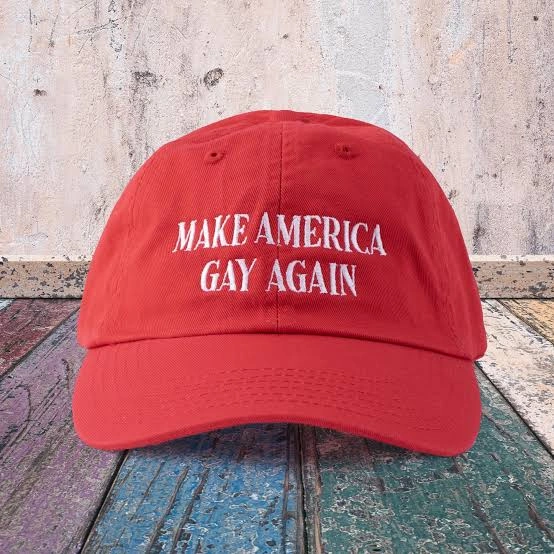
The MAGA Closet Cases: Why Does the Right Keep Finding Itself in the Rumour Mill?
The MAGA Closet Cases: Why Does the Right Keep Finding Itself in the Rumour Mill?
The "MAGA closet" is becoming its own pop-culture mystery, where queer rumours, political hypocrisy and the internet’s obsession with exposing a secret life keep colliding.
The modern American right’s obsession with policing other people’s sexuality while repeatedly finding itself dragged into rumours about its own is comically Shakespearean. Politicians who have built careers around “traditional family values” keep acquiring a second life online, where Grindr screenshots, old photographs, hotel rooms and whispered stories become part of an entirely different political mythology. Some of these stories have ended in actual scandals. Many have not been substantiated at all.
The question I keep coming back to is not whether every Republican politician accused of being gay secretly is. There is no evidence for that, and clothing, mannerisms or bachelorhood are not evidence of sexuality either. What interests me is why the closet has become such a persistent metaphor for the American right in the first place.
Welcome to the closetocracy
James Kirchick’s Secret City: The Hidden History of Gay Washington traces an underground gay world operating around American presidential administrations from Franklin Roosevelt through Bill Clinton. Gay men working in Washington were intensely policed, particularly by the FBI, and coming out could mean losing a job, a security clearance or even facing arrest. Some officials’ sexualities only became public after their deaths.
The political landscape became even stranger during the 1980s, when the Christian right and the AIDS crisis helped turn homosexuality into a potent Republican political weapon. Gay men could remain inside conservative institutions while the party increasingly defined itself through opposition to LGBTQ+ equality. That is the historical backdrop against which today’s “closetocracy” jokes become so potent. The internet did not invent the suspicion. It inherited it.

The rumour becomes part of the punishment
Look at the current crop of MAGA politics and the pattern becomes almost absurd. Mike Johnson has spent years advancing some of the most aggressively anti-LGBTQ+ positions in American politics, including opposition to transgender people using bathrooms corresponding with their gender identity in the Capitol and support for organisations associated with conversion therapy. He has also supported criminalising gay sex. Yet in 2025, “Mike Johnson Grindr” began trending after an anonymous TikTok user claimed to possess evidence of a private profile. No such evidence emerged. Johnson has also been the subject of speculation after discussing the fact that he and his son monitor each other’s pornography habits.
Ron DeSantis has faced a similar phenomenon. His “Don’t Say Gay” law and restrictions affecting trans young people have made him one of the most recognisable anti-LGBTQ+ Republicans in America. Then photographs of his boots circulated online, with social media users claiming they contained hidden heels. The joke quickly became a rumour about his sexuality. There is, of course, no sexuality encoded in a pair of shoe lifts.
This is where the story becomes less about discovering who is secretly gay and who is not. The peculiar fragility of the political masculinity being performed by these politicians turns out to be the bamboozlement that invites more scrutiny.

The internet has a very specific idea of what a Republican man should look like
Madison Cawthorn became embroiled in rumours after photographs appeared of him wearing women’s lingerie. Weeks later, a video showed him naked in bed with his male cousin. Cawthorn said he was being “crass with a friend” and acting “foolish”. His political record, meanwhile, included opposition to the Respect for Marriage Act and the Equality Act.
John Strand offers an even stranger version of the story. Before becoming a vocal MAGA supporter and Jan. 6 rioter, he had worked as a male underwear model in West Hollywood, attended a party at the gay bar The Abbey and appeared on the cover of the French gay magazine Sensitif. None of those things makes someone gay. They do, however, become irresistible material once a political identity has been constructed around a particular idea of masculinity.
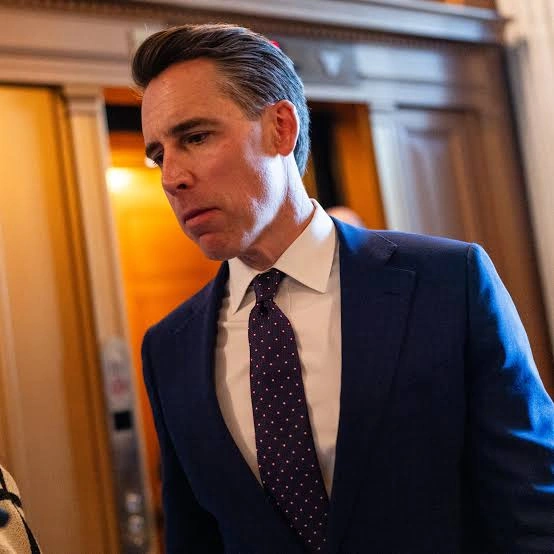
Josh Hawley has also found himself at the centre of rumours despite his very public opposition to LGBTQ+ rights. Viral claims have accused him of kissing a male escort, while journalist Don Lemon has placed him among the politicians he associated with a supposed “closetocracy”. Again, the claims remain unsubstantiated.
And then there is the uncomfortable part
I think there is a particularly real danger in consuming these stories too much. The fantasy of exposing the closeted homophobe is enormously satisfying because it promises a neat moral ending. The politician who attacks queer people is secretly queer, and the sheer hypocrisy is exposed to the masses, who take no time to form a crusade that violently unhinges the closet doors, and finally, everyone gets to laugh. Real life rarely works that neatly.
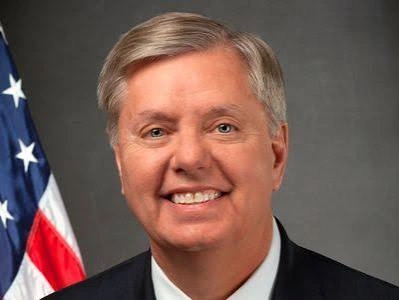
Lindsey Graham, who died in July, spent decades opposing LGBTQ+ civil rights and denying rumours about his sexuality. After his death, allegations about encounters with transgender sex workers circulated online. One woman alleged that Graham paid her for sex in 2015; Them reviewed screenshots that appeared to arrange the appointment but could not independently verify the messages. Other allegations have also remained uncorroborated.
What remains beyond the gossip is the politics. Graham supported policies that affected LGBTQ+ people while rumours about his private life circulated for years. Matt Schlapp, another prominent conservative, faced allegations of sexual assault from a male Republican staffer and later settled the lawsuit through an insurance policy while continuing to deny wrongdoing. That is much more revealing than whether somebody is secretly gay.
The closet can't be the punchline
The internet has turned the “MAGA closet” into its own genre of political gossip, complete with screenshots, alleged encounters and amateur investigations into what somebody wore to a particular event. It is irresistible because it promises the perfect plot twist. But that ending is also the problem. The more these rumours circulate, the more homosexuality itself becomes the supposed revelation. A politician being gay is treated as the punchline when the actual hypocrisy lies elsewhere. What matters is the gap between the private life someone may have and the public politics they choose to impose on others.
That distinction is particularly uncomfortable in a culture that has become very good at turning people's private lives into entertainment. We have become accustomed to the idea that every contradiction deserves an exposure, every rumour deserves an audience and every public figure has a secret self waiting to be uncovered. The MAGA closet fits perfectly into that logic.
These narratives offer the fantasy of a perfect reversal, where the people who have spent years making queer lives political are suddenly forced to confront queerness in themselves. But the better story has never been about catching someone in the closet.
I am asking, instead, why the closet remains such a useful political weapon in the first place.
