India Issues Urgent Travel Advisory Amid Rising Ebola Cases in Africa

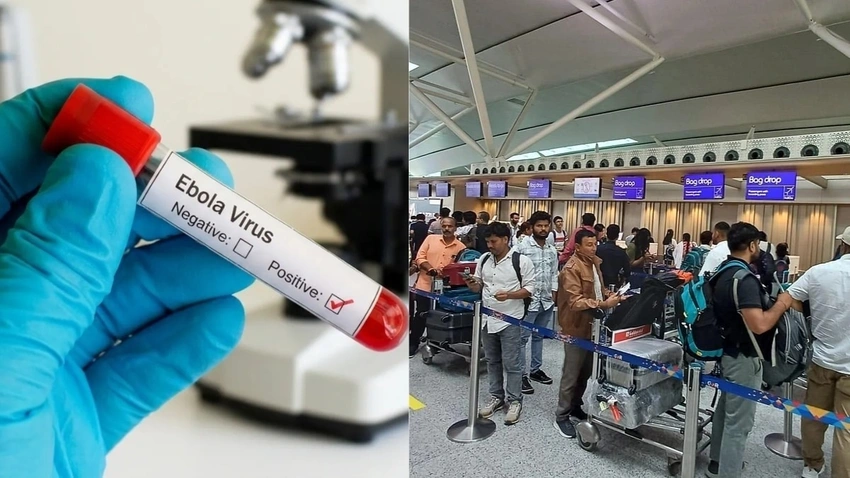
India Issues Urgent Travel Advisory Amid Rising Ebola Cases in Africa
Stay safe! India warns against non-essential travel to DRC, Uganda, and South Sudan as Ebola cases surge and the WHO declares a global health emergency.
The global health community is on high alert once again as the Democratic Republic of the Congo (DRC) struggles to contain a serious Ebola outbreak. With more than 900 suspected cases now reported, health officials are racing against time to stop the virus from spreading further across borders. The situation has become so concerning that the World Health Organization has officially declared the outbreak a Public Health Emergency of International Concern.
The virus, specifically the Bundibugyo strain, is known for its high mortality rate and causes severe symptoms like viral hemorrhagic fever. While the risk of the disease spreading globally is currently considered low, the danger within the African continent is very high. Countries bordering the DRC, including Uganda and South Sudan, are particularly at risk, leading local authorities to ramp up surveillance at entry points.
In response to the growing threat, the Indian government has stepped in with a firm travel advisory. Citizens are being strongly urged to avoid any non-essential travel to the DRC, Uganda, and South Sudan. For those Indians already living or traveling in these regions, the advice is clear: follow local health guidelines strictly, maintain high hygiene standards, and avoid contact with anyone showing symptoms.
The response efforts on the ground have been difficult. Health workers are not only dealing with medical shortages but also facing security challenges and attacks in some areas. Despite these hurdles, international organizations are working to strengthen disease surveillance and manage travelers arriving with unexplained fevers.
If you are in an affected area and experience a fever or other related symptoms, it is crucial to seek medical attention immediately. Early detection remains the most effective way to manage the virus and prevent a wider crisis. For now, the world watches closely as the DRC and its neighbors fight to bring this deadly outbreak under control.
