East Coast Braces: Climate Change Fuels More Intense Nor'easters

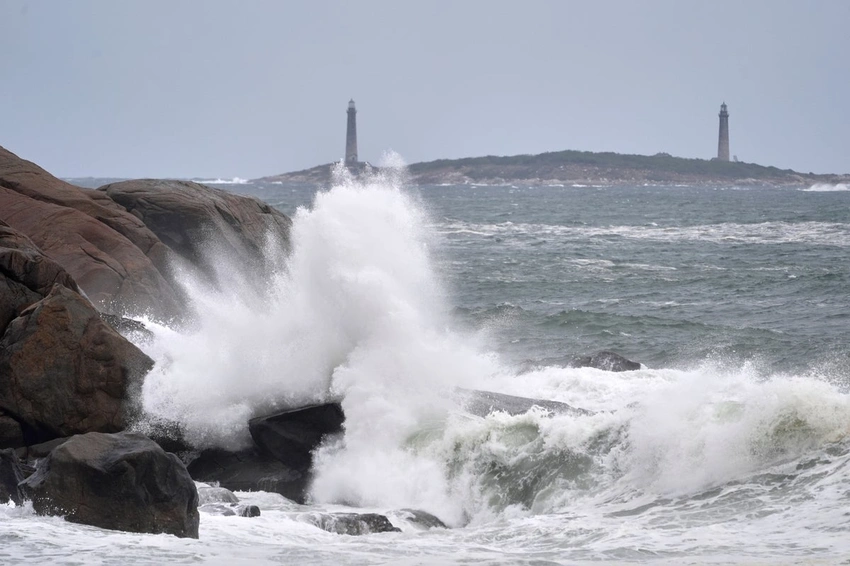
East Coast Braces: Climate Change Fuels More Intense Nor'easters
A powerful Nor'easter threatens the East Coast with severe flooding & winds! Learn how climate change is making these storms more extreme and what it means for our future. #ClimateAction
The East Coast is currently bracing for an impactful nor'easter, threatening millions with heavy rain, significant flooding, and strong wind gusts up to 50 mph. Parts of Virginia and North Carolina have already experienced coastal flooding, and the storm's slow movement could prolong its effects, particularly for northern New Jersey, New York City, Long Island, and southern New England.
Rain is expected to begin Friday evening and persist through the weekend.
According to Michael Mann, a professor of climate science at the University of Pennsylvania, this nor'easter's potential impact is heightened by its slow movement, which could lead to a substantial storm surge. Nor'easters, named for their northeast winds, typically affect the U.S. and Canadian East Coasts, bringing either rain or snow.
They can occur year-round but are most common between September and April.
While they share some energy source with hurricanes from ocean heat, nor'easters have cold cores and can linger longer, often causing billions in damage, as seen with past memorable storms like the 1978 New England Blizzard and the 1993 "Superstorm."
Scientists are still piecing together the full picture of how climate change is altering nor'easters, but one fact is clear: the intense storms are becoming even more extreme. Mathew Barlow, a professor of climate science at the University of Massachusetts Lowell, notes that while not every storm is intensifying, the powerful ones are bringing more rainfall and stronger winds. This leads to increased storm surges, coastal flooding, and wind damage.
Mann explains that human-caused warming is directly contributing to higher precipitation totals in these storms, a trend observed across various extreme weather events. As our atmosphere warms, it can hold more moisture, leading to heavier downpours.
Barlow emphasizes that the intensity of storms like thunderstorms, hurricanes, and nor'easters is increasing, even if the overall number of storms isn't changing significantly, and might even be decreasing slightly.
This intensification is reflected in the alarming rise of "billion-dollar disasters" in the U.S. The average time between such events has drastically fallen from 82 days in the 1980s to just 16 days in the last decade.
In 2025 alone, the U.S. experienced a billion-dollar weather or climate disaster once every 10 days.
Experts warn that unless greenhouse gas emissions are curtailed, the intensity of rainfall and these powerful storms will continue to worsen.
"Until we stop making things worse, things are going to keep getting worse," Barlow concludes.
