The Last Spectacle: Why the VMAs Don't Feel Like the VMAs Anymore
The Last Spectacle: Why the VMAs Don't Feel Like the VMAs Anymore
The Last Spectacle: Why the VMAs Don't Feel Like the VMAs Anymore
The VMAs once made pop culture feel like a shared event, but in an age of algorithms, fragmented fandoms and disappearing monocultures, the spectacle that made them matter may already be gone.
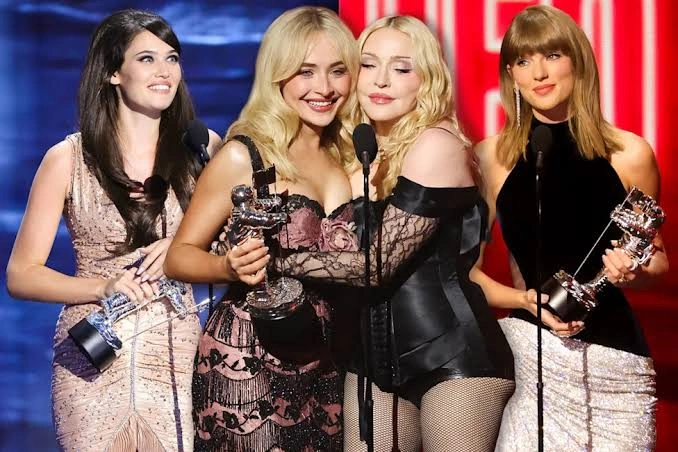
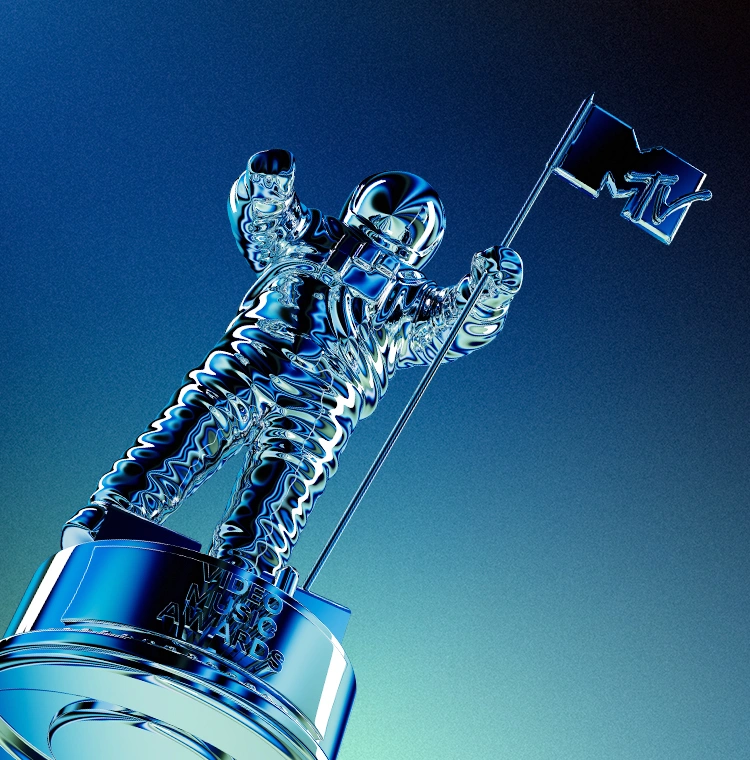
The VMAs returned to our television screens and our lives last Sunday (Monday, 5 am my time, as usual), this time in a new form and fashion. The storied MTV awards show has been around for more than 40 years, and even as MTV has shed almost every last remnant of its musical identity, becoming something closer to a dumping ground for reality television, the VMAs have somehow managed to keep beating on, boats against the current. The ratings have picked up somewhat in recent years, and this year the ceremony will air on CBS for the first time, giving it an even larger platform. Someone, somewhere, clearly still believes the Moon Person has cultural pull.
And yet I cannot shake the feeling that the VMAs have never felt less relevant to the broader pop-cultural conversation. They continue to exist. People continue to watch. Awards continue to be handed out. But something has gone missing, and I do not think it is simply the novelty of another awards show.
When MTV Actually Meant Something
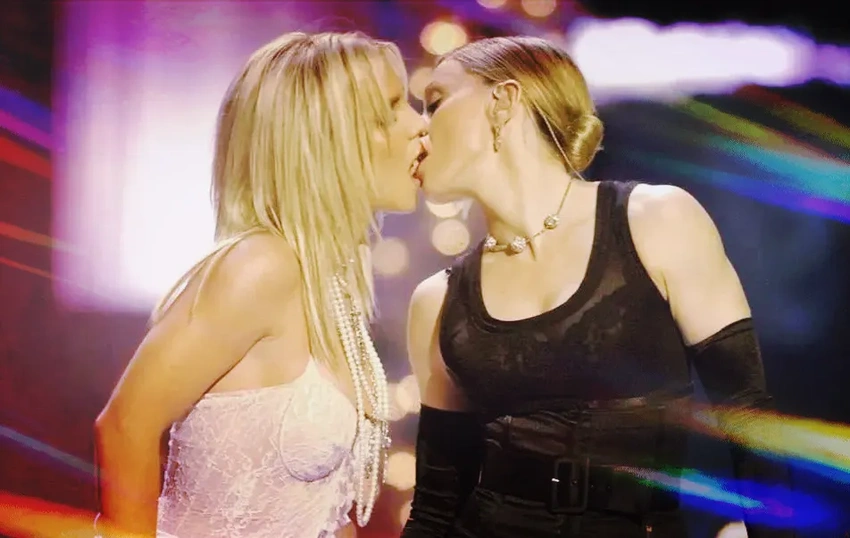
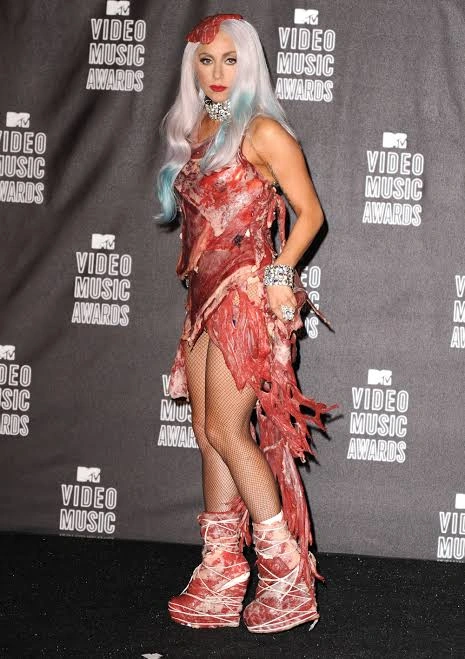
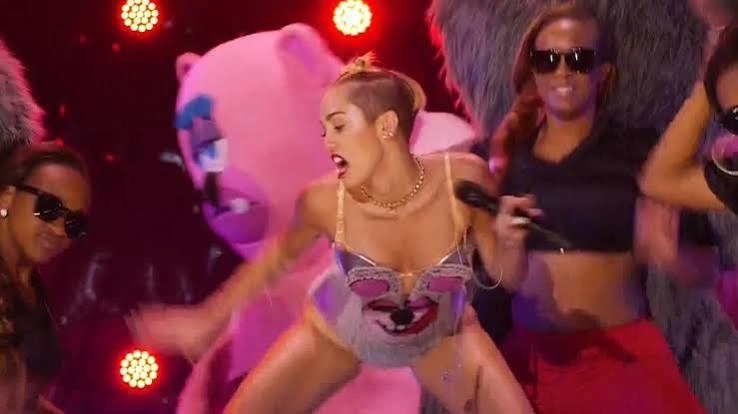
There was a time when MTV felt like the pulse of youth culture. The VMAs were where music videos, fashion, celebrity and pure unpredictability collided, and you watched because you knew that something might happen that would still be discussed at school the next morning. Madonna rolling around the stage in 1984. Britney Spears appearing with a python. Britney and Madonna kissing in 2003. Lady Gaga covered in fake blood. Nicki Minaj turning to Miley Cyrus and asking, “Miley, what’s good?” Beyoncé announcing her pregnancy after performing “Love on Top”. These were not merely performances that happened during an awards ceremony. They escaped the ceremony entirely. They became the thing everyone was talking about. That is the elusive alchemy the VMAs have let slip through their fingers. The point was the possibility of cultural lightning, always.
The Music Video Became Something Else
Part of the problem is painfully obvious. Music videos simply do not occupy the same cultural position they once did. Artists now produce an endless stream of visual content for TikTok and Instagram, and the traditional music video can get swallowed by everything surrounding it. When Beyoncé released Renaissance without making conventional music videos, allowing fans to create their own visual worlds around the album, it felt like a particularly clear sign that the old model had changed. The music video was no longer necessarily the centre of the conversation. Sometimes the audience became the promotional machine. That has made the existence of a Video Music Awards ceremony increasingly strange. The VMAs are still celebrating an art form whose cultural ecosystem has fundamentally changed.
We Lost the Monoculture
But I think there is something bigger happening here. The decline of the VMAs belongs to the same story as the decline of the big cultural event itself. Cinema is struggling to get audiences into theatres. Television has found it increasingly difficult to produce shows that become genuine water-cooler television. Music has fragmented into tiny corners of the internet, where a song can become enormous before the artist behind it has become famous. Taylor Swift remains one of the few exceptions, perhaps the last genuine monoculture left in our increasingly stratified world. But one artist cannot recreate an entire cultural centre. The old MTV could tell an entire generation what mattered because an entire generation was watching. Now everybody has their own feed, their own algorithm and their own version of pop culture.
When Things Started to Sour
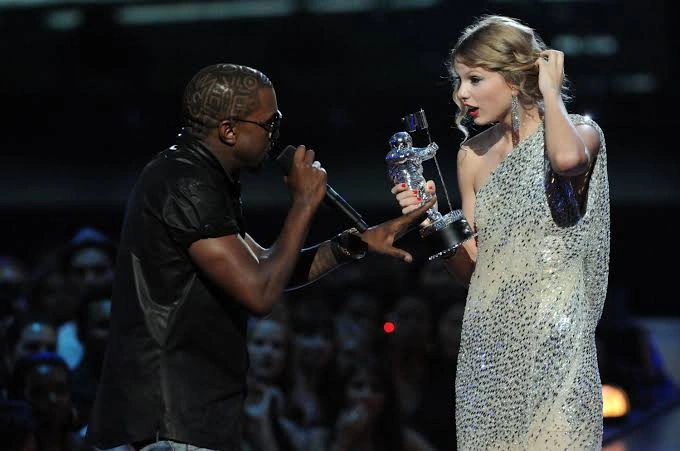
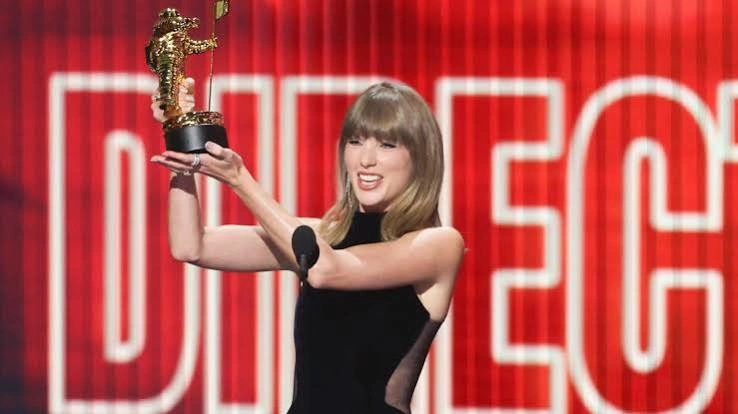
Things began to sour around the time of the financial crisis, when the music industry (like so many others) started to lose its footing, and the VMAs began getting headlines for the wrong reasons. If Britney once symbolized the zenith of MTV magic, she would also come to epitomize the beginning of it’s end: In 2007, her much-hyped comeback, following her public breakdown and hospitalization, was a much-discussed disaster, with a performance that was more uncomfortable than triumphant. Two years later, Kanye West stormed the stage during Taylor Swift’s acceptance speech, which would turn out to be pop culture’s “assassination of Archduke Ferdinand” moment, igniting a feud that would dominate headlines for years and create lasting fault lines, even prompting then-President Barack Obama to weigh in, which angered Kanye so much it that it pushed him towards embracing Trump out of retrograde resentment! Then came Miley Cyrus’ infamous twerk-heavy routine with Robin Thicke in 2013, a spectacle that generated news stories and op-eds but lacked the charm or substance of past VMA shock moments.
Financial Woes
There is also a less glamorous explanation: money. During the TRL era, an album could sell for $15 or $20 and generate enormous revenue. Streaming changed that equation. A Spotify stream pays fractions of a cent, while labels increasingly put promotional money into social media campaigns and TikTok virality rather than enormous music-video productions. That matters because spectacle costs money. The VMAs once provided an incentive for artists to gamble on the kind of performances that could become cultural earthquakes. Now a thirty-second clip filmed for social media can travel further, faster and far more cheaply. Why spend millions trying to create one unforgettable television moment when the internet can manufacture one overnight?
Awards Shows Have Lost Something Too
This hasn’t been entirely MTV’s fault. The decline of the VMAs has been part of an overall downward trend for awards shows, which, according to no less than Time Magazine, are straight up dying.
The Oscars, the Emmys, the Golden Globes…they’ve all seen steep ratings declines as streaming has risen over the past decade, and, more than just numbers on a spreadsheet, their ineffable importance seems to have faded too. The culture is just too scattered and sliced up to focus its attention on something shared. “The problem isn’t just an excess of viewing options or the epochal shift away from watching programs as they air, which began back with the advent of the VCR,” Judy Berman writes in that Time piece. “Awards shows are also suffering from the political polarization of the American public, as partisanship invades sectors of society that used to be essentially neutral ground.”
The VMAs Became a Museum of Themselves
Perhaps the saddest part is that the VMAs increasingly seem to understand their own problem. When an awards show begins looking backwards for its excitement, something has changed. The great VMA moments came from artists who were actively reshaping pop culture. The recent ceremonies have increasingly relied on nostalgia, reunions and tributes to remind us of what the show used to mean. That is why I find myself mourning the VMAs even while admitting that they have become increasingly irrelevant. I miss the razzle dazzle. I miss the ridiculousness. I miss the sense that pop stars could walk onto a stage and genuinely alter the cultural weather for a night.
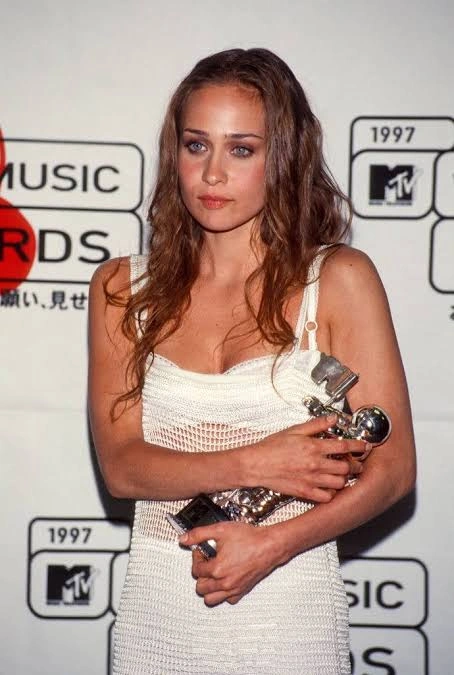
Years ago, winning her own VMA in 1997, Fiona Apple famously used her acceptance speech to decry the ecosystem of entertainment. “Everybody that’s watching this world, this world is bullshit, and you shouldn’t model your life about what you think we think is cool,” she said. “Go with yourself. Go with yourself.” Atomized as we are into our own little phones, cut off from the broader vista of monolithic pop culture, I can’t help but notice, slightly forlorn, that we seem to have heeded her call in the worst possible ways.
I just really miss the bullshit.
