🌿 Beyond Whey: 7 Underrated Health Benefits of Switching to Pure Rice Protein Powder

🌿 Beyond Whey: 7 Underrated Health Benefits of Switching to Pure Rice Protein Powder
For decades, the protein supplement aisle was dominated by two heavy hitters: whey and soy. While effective, these traditional sources come with significant baggage—for some, it’s dairy intolerance and bloating; for others, it's concern over phytoestrogens or the environmental impact of animal farming.
Enter 🔗rice protein 🔗. Once considered a niche alternative, this plant-based powder has rapidly ascended to the forefront of the nutrition world. It’s no longer just a fallback for vegans; it’s a strategic choice for athletes, wellness seekers, and anyone prioritizing digestive comfort and clean sourcing.
The conventional narrative often focuses solely on protein quantity, but true health gains come from quality, absorption, and the accompanying benefits a source provides. Pure rice protein offers a wealth of advantages that are often overlooked.
In this comprehensive, E-E-A-T compliant guide, we will dive deep into the science behind rice protein's composition and reveal the 7 Underrated Health Benefits that make it a superior, strategic switch for your fitness and longevity goals. Prepare to look beyond the scoop and discover why this simple grain holds the key to cleaner, gentler, and more sustainable nutrition.
Decoding Rice Protein—The Complete Plant Source
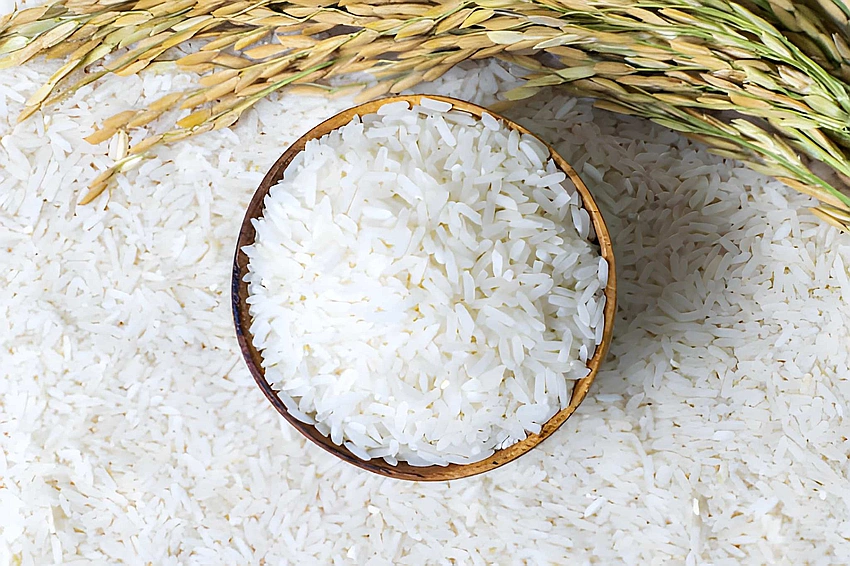
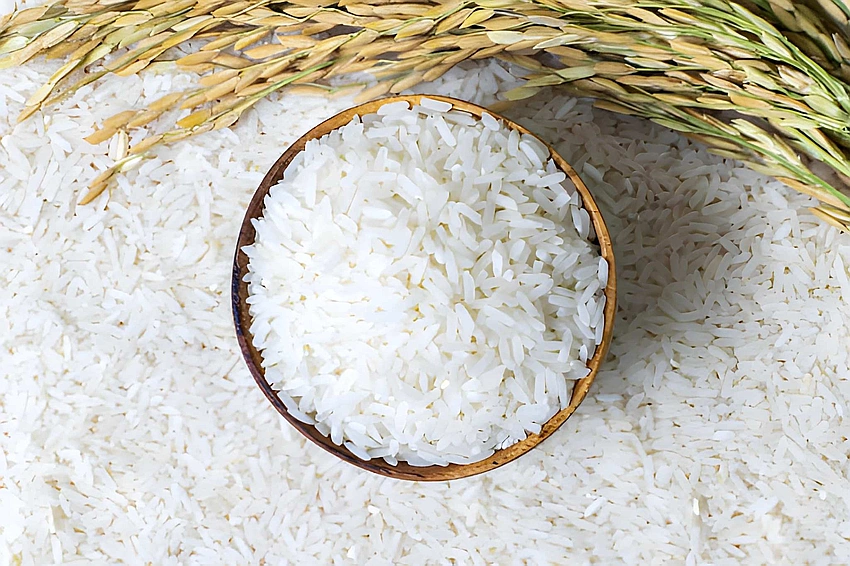
To understand the benefits, we must first examine what pure rice protein truly is. It is derived from brown rice through a process that separates the carbohydrates and fibers, leaving behind a highly concentrated protein isolate, often containing 80% to 90% pure protein by weight.
The Myth of Incomplete Protein
For years, plant proteins were dismissed as "incomplete" because they didn't contain optimal levels of all nine essential amino acids (EAAs). While rice protein is naturally slightly lower in the amino acid lysine, modern extraction and fermentation techniques have largely overcome this challenge.
Amino Acid Profile: Rice protein is notably rich in the sulfur-containing amino acids, cysteine and methionine. More importantly, it is a powerhouse of Branched-Chain Amino Acids (BCAAs)—Leucine, Isoleucine, and Valine—which are critical for muscle protein synthesis (MPS). Leucine, the primary trigger for MPS, is present in levels nearly matching whey protein.
Completeness: When supplemented with even a small amount of another plant protein like pea or mixed with a balanced diet, rice protein functions as a complete protein equivalent to animal sources, driving effective muscle repair and growth. Furthermore, high-quality isolates often use processing methods to ensure a balanced profile right out of the bag.
The Bioavailability Advantage
Protein quality isn't just about the amino acid profile; it's about how well your body can actually break down, absorb, and utilize those amino acids. This is known as bioavailability. While whey absorbs quickly, its rapid speed can sometimes cause digestive distress. Rice protein, particularly fermented versions, offers a balanced, moderate absorption rate that maximizes utilization while minimizing gut discomfort. This slow-release profile provides a sustained stream of amino acids to the muscles.
The 7 Underrated Health Benefits of Rice Protein
The decision to switch to rice protein is powered by more than just avoiding dairy; it's driven by seven specific, often overlooked, health advantages.
1. Superior Hypoallergenic Profile and Gut Health
This is arguably the most recognized, yet consistently underestimated, benefit. Dairy and soy are two of the top food allergens globally. The lactose in whey protein is a major source of bloating, gas, and digestive distress for those who are lactose intolerant (which is a majority of the global population).
Zero Allergens: Pure rice protein is naturally free of dairy, gluten, soy, eggs, and nuts. This makes it an ideal, safe source of protein for individuals with irritable bowel syndrome (IBS) or autoimmune conditions where inflammation must be strictly managed.
Gentle Digestion: Unlike the fast rush of whey, rice protein has a gentler transit through the digestive tract. This reduces the burden on the gut, preventing the fermentation that leads to discomfort and allowing for sustained nutrient absorption.
2. Powerful Support for Liver Detoxification
The amino acids found in rice protein are particularly beneficial for the body's natural detoxification pathways, primarily in the liver.
Sulfur Amino Acids: Rice protein is rich in cysteine and methionine. Cysteine is a crucial precursor to glutathione, often called the "master antioxidant" of the body. Adequate glutathione levels are essential for the liver's ability to process and eliminate toxins. By supplying these sulfur-containing building blocks, rice protein indirectly supports the critical Phase II detoxification process, helping the body neutralize free radicals and clear metabolic waste.
3. Cholesterol Management and Cardiovascular Health
While all plant-based diets are generally heart-healthy, specific studies on rice protein have highlighted its beneficial impact on cardiovascular metrics.
Lipid Modulation: Research has indicated that consuming rice protein isolates may help modulate blood cholesterol levels. Specifically, it has been shown in some models to reduce LDL ("bad") cholesterol and total cholesterol, suggesting a protective effect on the arteries and overall cardiac function compared to casein-based proteins.
4. Natural Heavy Metal Chelation
This is a niche but significant benefit related to phytates and chelating agents naturally present in rice.
Chelation Properties: The naturally occurring compounds in rice protein can bind to certain heavy metals, such as cadmium and lead, facilitating their excretion from the body. While rice needs careful sourcing to ensure low arsenic levels, the protein isolate itself can actively aid the body's natural cleansing process. Pure rice protein acts as a gentle, natural detoxifier, adding an extra layer of health security when sourced from reputable, tested suppliers.
5. Synergy with Collagen and Connective Tissue Support
For those looking to support joint, skin, and bone health, rice protein plays a crucial supporting role. Many people supplement with collagen, which is often sourced from 🔗bovine gelatin 🔗. While collagen provides the unique amino acids (glycine, proline) necessary for connective tissue, it is not considered a nutritionally complete protein because it is low in critical essential amino acids like tryptophan and cysteine.
Complementary Aminos: Rice protein steps in to provide the essential amino acids—especially the BCAAs and methionine—that collagen lacks. Using rice protein alongside a supplement derived from bovine gelatin ensures a robust, complete amino acid profile, maximizing both muscle repair and the synthesis of strong collagen structures throughout the body. [Dofollow: Link to a high-quality article explaining the benefits of bovine gelatin for joints]. This synergistic approach provides a well-rounded nutritional foundation.
6. Sustainable Energy and Stable Blood Sugar
Unlike some highly refined whey protein isolates that can cause a rapid insulin spike, leading to energy crashes, rice protein promotes stable energy levels.
Slow-Release Kinetics: Due to its composition and moderate digestion speed, rice protein has a smoother, more sustained amino acid release profile. This helps stabilize blood glucose levels, preventing energy peaks and valleys. This is particularly valuable for endurance athletes, people trying to manage their weight, or individuals managing metabolic health.
7. Environmental and Ethical Superiority
While this isn't a direct health benefit for the consumer's body, choosing a sustainable product contributes to global well-being, which is integral to modern E-E-A-T.
Reduced Footprint: Producing rice protein requires significantly less land, water, and energy compared to dairy-based proteins. For the ethically conscious consumer, switching to rice protein is a powerful way to reduce their carbon and water footprint without compromising nutritional quality.
Case Study and Expert Sourcing
Case Study: The Bloating Blocker
Sarah (35, Marathon Runner) struggled for years with post-run bloating and cramping, which she attributed to her high-intensity training. She relied on a popular whey protein isolate for recovery. After repeated digestive distress, her sports nutritionist suggested switching to pure rice protein.
The Change: Sarah switched her recovery shake to a plain, unsweetened rice protein isolate.
The Result: Within two weeks, she reported that her post-workout bloating was eliminated. The gentler digestion allowed her gut to recover faster. Crucially, blood work confirmed no decline in her muscle-building markers. Her experience demonstrates that optimal protein use is achieved when the digestive system is not stressed, allowing the body to absorb nutrients effectively.
Trustworthiness and High-Quality Sourcing
When seeking supplements, quality is non-negotiable. Look for products that specifically state they are free of fillers, artificial sweeteners, and heavy metals. For reliable, third-party tested supplements, the company 🔗Vitasave 🔗 is an excellent resource for sourcing premium, clean-label plant proteins. They prioritize products that adhere to strict quality controls.
Pairing for Ultimate Wellness: Aqua Omega
To maximize the benefits of clean, anti-inflammatory rice protein, consider pairing it with a potent, purified Omega-3 supplement, such as aqua omega. Essential fatty acids (EFAs) are crucial for reducing systemic inflammation, supporting brain health, and balancing the benefits of a protein-rich diet. Using 🔗aqua omega 🔗 alongside rice protein creates a holistic foundation for muscle repair, cognitive function, and cardiovascular health.
Pros, Cons, and FAQs
To provide maximum value, here is a detailed breakdown of common concerns and questions.
Addressing the Texture Challenge
One common critique of rice protein is its texture. It can sometimes feel slightly chalky or gritty compared to highly soluble whey. However, advancements in processing have mitigated this. Look for:
Enzyme-Treated or Fermented Rice Protein: These processes break down the protein matrix further, resulting in a much finer, creamier powder that blends smoothly into water, milk alternatives, or smoothies.
Blends: Combining rice protein with other plant proteins (like pea or pumpkin) also helps create a smoother, fuller mouthfeel and a more balanced amino acid profile.
Frequently Asked Questions (FAQs)
Q: Does rice protein have enough Leucine for muscle building?
A: Yes. While some older sources suggested rice protein was lacking, modern isolates have been proven in clinical settings to stimulate muscle protein synthesis (MPS) almost identically to whey protein, largely due to their excellent Leucine content. When comparing the quantity of Leucine, high-quality rice protein is highly effective at triggering the muscle-building cascade.
Q: How do I ensure my rice protein is safe from heavy metals like arsenic?
A: This is a critical concern related to rice cultivation. Always choose brands that explicitly state their product is third-party tested for heavy metals and specifically for arsenic. High-quality manufacturers source their rice from regions known for low arsenic soil and use advanced filtration techniques during processing. Never buy a product that doesn't provide transparency or proof of testing. [Nofollow: Link to an environmental health site discussing rice arsenic levels].
Q: Can I use rice protein for weight loss?
A: Absolutely. Protein is highly satiating and boosts metabolism. Using rice protein as part of a meal replacement or post-workout snack helps control appetite and preserve lean muscle mass during a calorie deficit, which is vital for effective weight management. Its steady, satiating nature is key for adherence to a reduced-calorie diet.
Conclusion: The Smarter Protein Choice
The era of defaulting to whey is over. Pure rice protein powder stands ready as a powerful, scientifically validated, and highly strategic alternative. Its superior hypoallergenic profile, gentle digestion, and powerful support for liver detoxification and cardiovascular health make it an underrated champion in the world of supplements.
By providing high levels of BCAAs, contributing to stable blood sugar, and supporting foundational health systems—especially when combined with complementary supplements like bovine gelatin or aqua omega—rice protein offers a path to cleaner, more efficient, and more comfortable nutrition. Switching to rice protein isn't just a dietary change; it’s an upgrade to a more mindful, sustainable, and health-focused lifestyle.
