Trump Hints at Ground Invasion as US Troops Increase in Middle East

Trump Hints at Ground Invasion as US Troops Increase in Middle East
Thousands of US troops surge into the Middle East as Iran accuses Washington of privately planning a ground attack, while Trump pushes hardline options that could reshuffle regional dynamics.
Thousands of US soldiers and Marines have arrived in the Middle East, marking a significant escalation in tensions as Washington faces sharp accusations from Tehran that a ground assault is being quietly planned even as public talks of ceasefire are touted. The conflicting signals come as the region braces for possible shifts in strategy and posture amid a broader conflict that has already drawn in non-state actors and global markets.
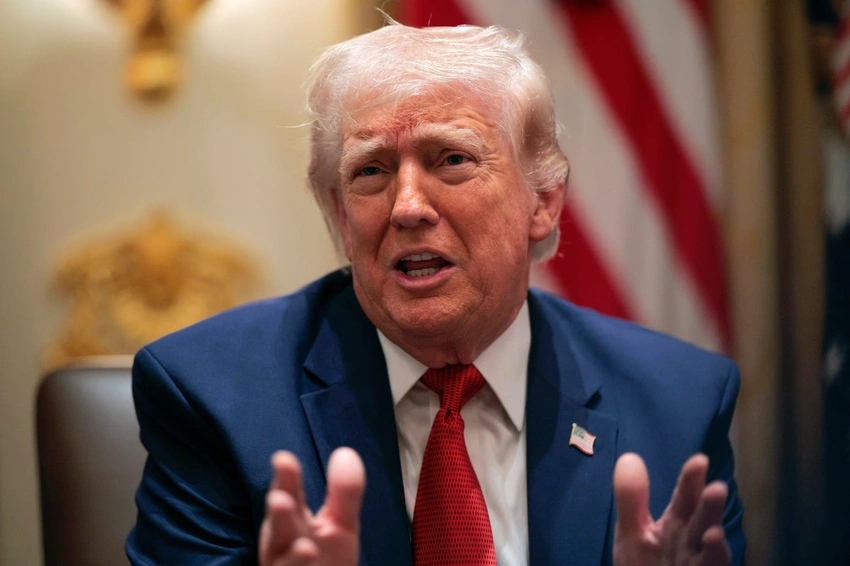
President Trump has amplified a hardline stance, signaling that his preference would be to seize Iran’s energy infrastructure and even suggesting a potential takeover of Iran’s oil exports. He also claimed he was in talks with a new, supposedly “reasonable regime,” a remark that underscores the volatile mix of diplomacy and brinkmanship driving official messaging. These remarks coincide with a deployment of thousands of troops, a move that has intensified scrutiny of what a ground campaign in Iran could entail and what it might mean for allies and civilians alike.
Into this already fragile situation, Yemen’s Houthi forces have entered the conflict, raising the possibility of wider disruption to shipping routes and the global energy market. The added pressure from a third-party actor complicates any path toward de-escalation and raises the stakes for international diplomacy as governments weigh risks, costs, and potential consequences of escalation.
Across Washington and allied capitals, lawmakers and political figures have weighed in on the threats of a ground invasion, with opinions split between advocating for a stance that deters aggression and urging restraint to avoid a broader regional war. As statements and counterstatements circulate, analysts warn that a misstep could alter regional dynamics for years to come, affecting energy security, alliances, and the everyday lives of people in the region and beyond.
In this tense moment, the call from policymakers is clear: prioritize de-escalation, preserve civilian safety, and explore every diplomatic avenue to prevent a conflict that could redraw lines across the Middle East and shake global markets.
