Israel-US strike kills Iran's leader in 60 seconds, sparks regional turmoil

Israel-US strike kills Iran's leader in 60 seconds, sparks regional turmoil
A decades-long covert operation ends in a 60-second strike that killed Iran's Supreme Leader, triggering regional upheaval and a debated strategic gamble.
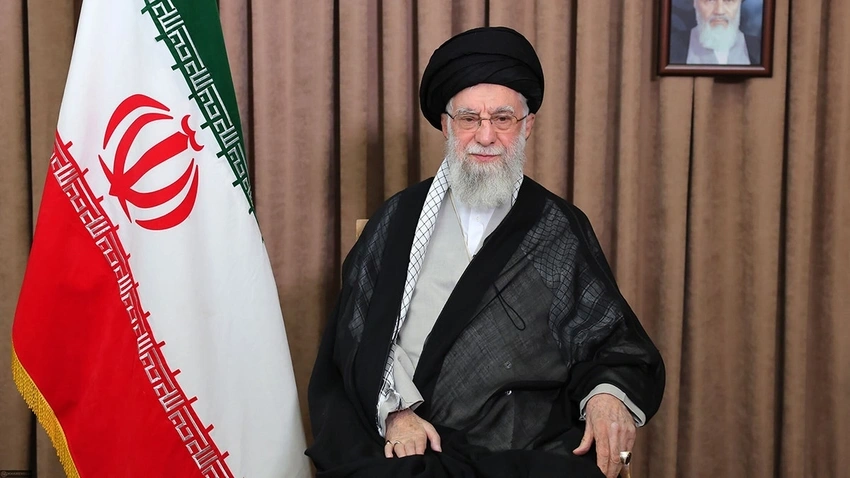
After decades of patient work, what began as a long-range intelligence project culminated in a single, ultra-fast strike that decimated a Tehran gathering. Ayatollah Ali Khamenei, the country’s supreme leader, was killed along with key members of his security circle, with dozens more casualties reported as the attack unfolded within about 60 seconds. The operation, if confirmed, marks a historic escalation in the covert conflict between Tehran and its adversaries, and immediately raises questions about the region's stability and the viability of such tactics.
Officials and veterans on both sides describe heavy reliance on a collaborative intelligence effort. Israeli agencies allegedly supplied decades of groundwork and advanced capabilities, while U.S. intelligence resources contributed in the weeks and months leading up to the strike. The plan reportedly targeted a central Tehran location where senior security figures had gathered, aiming to deliver a precise, surgical blow rather than a broad campaign.
Reaction among analysts is divided. Some say the strike was a tactical surprise and could deliver a short-term leverage for allies seeking to reshape Iran's leadership. Others warn that killing a head of state risks amplifying hardline sentiment, provoking retaliation, and eroding any potential momentum among internal dissenters who might have considered reforms. Critics note that past assassinations, from Hamas leaders to Hezbollah chiefs, have produced leadership changes but not the political outcome those actions promised.
Beyond Tehran, the incident threatens to redraw calculations across the Middle East. The death of Khamenei reportedly came alongside the collapse of a wider leadership group, with far-reaching implications for Iran's domestic politics and regional posture. Analysts say the aggression could prompt Tehran to tighten grip at home and pursue aggressive counter-pressure abroad, possibly drawing in other regional actors into a broader confrontation.
As the dust settles, questions linger about the appropriateness of assassination as a tool of statecraft and the likelihood of further escalation. Observers will watch for signs of retaliation, shifts in alliance patterns, and any moves to de-escalate or engage in dialogue—if such options even exist in the current climate.

Login to comment.
No thots yet. Be the first to share your thoughts!