CAPF Bill Introduced in Rajya Sabha Amid Opposition

CAPF Bill Introduced in Rajya Sabha Amid Opposition
Centre pushes CAPF (General Administration) Bill to unify administration and IPS postings, triggering opposition notices and a voice vote clash in the Rajya Sabha.
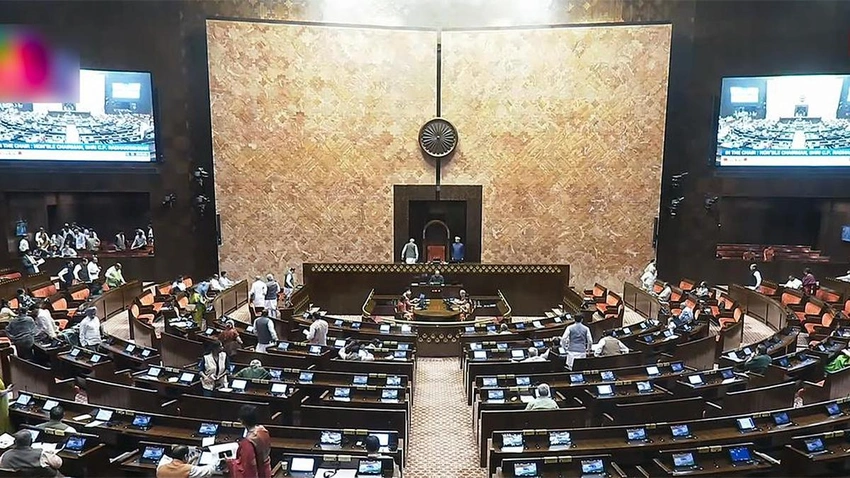
New Delhi — The Centre on Wednesday introduced the Central Armed Police Forces (General Administration) Bill, 2026 in the Rajya Sabha, drawing dissent from at least six members who filed notices against its introduction. The government, however, carried the proceedings forward as the notices were defeated by a voice vote. The bill aims to create a unified legal framework governing the administration, recruitment, and service conditions of all five Central Armed Police Forces and to formalize the deputation of Indian Police Service officers at senior levels within these forces. It also places rules under the Act above any conflicting provisions, cementing a single standard across CAPFs for governance and career progression.
Key provisions of the proposed legislation include reserving 67% of additional director general posts and 50% of inspector general posts for IPS officers on deputation, while all special director general and director general posts would be reserved for IPS officers. Supporters say the move will streamline command structures and improve coordination between forces. Opponents and CAPF associations warn that such saturation of IPS deputation could stunt the career growth of cadre officers and undermine the independence of CAPFs.
Opposition voices argued that the bill could contravene judicial directions and past legal victories won by CAPF personnel. Senior Congress leader Ajay Maken cited a Supreme Court directive from May 23, 2025, which urged the government to progressively reduce IPS deputation, conduct cadre reviews, and promote more cadre officers to senior posts. The debate highlighted concerns about career stagnation for CAPF officers and the potential impact on state–centre coordination.
Minister of State for Home Nityanand Rai rejected the objections, saying the objections are not factually correct and that the bill’s objective is to clarify the administrative framework, recruitment processes, and service-related matters—“it does not interfere with the powers of the judiciary.” Rai emphasized that the bill seeks a unified framework to govern recruitment, postings, and service conditions, thereby bringing transparency and consistency across all CAPFs.
In the broader context, the bill represents a significant step in reforming how CAPFs are managed at the national level, with a focus on IPS deputation and hierarchical balance at the top echelons. While the government frames it as a modernization of administration, critics worry about the long-term effects on the corps’ autonomy and on opportunities for non-IPS cadres. The legislative process is expected to continue in coming sessions as lawmakers weigh the proposed changes against judicial directions and CAPF morale.
