Deadline Pressure as US-Iran Talks Pivot to 45-Day Ceasefire Near Hormuz

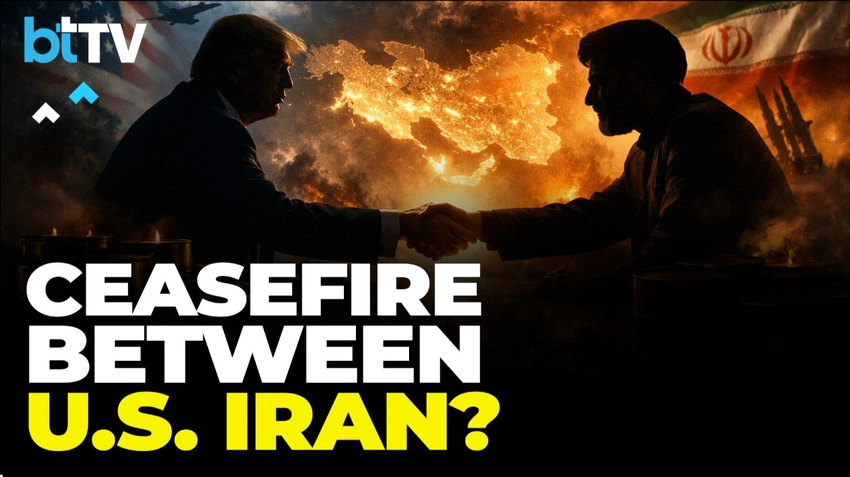
Deadline Pressure as US-Iran Talks Pivot to 45-Day Ceasefire Near Hormuz
As Trump's deadline looms, diplomats push a 45-day ceasefire to reopen the Strait of Hormuz, with Pakistan involved and regional stakes rising.
With the 8 p.m. deadline looming, diplomats in the Gulf region race to salvage a fragile de-escalation between Washington and Tehran as tensions over the Strait of Hormuz mount. A proposed 45-day ceasefire would stop hostilities immediately and lay the groundwork for a broader agreement within 15 to 20 days, potentially reopening Hormuz and easing sanctions in exchange for nuclear restrictions. The plan signals a high-stakes gamble: a negotiated pause could avert a wider confrontation even as the region edges toward flashpoints that would ripple through global energy markets.
Pakistan’s Army Chief Asim Munir reportedly held separate discussions with US Vice President JD Vance, envoy Steve Witkoff, and Iranian Foreign Minister Abbas Araghchi to help coordinate the proposal. The involvement underscores the willingness of regional and international actors to broker a path forward, even as Tehran has insisted on stronger guarantees and rejected merely temporary timelines.
Tehran has so far rejected short-term timelines, pressing for durable guarantees that would constrain hostilities and ensure lasting commitments. Mediators warn that unresolved differences could widen regional fallout, but supporters say diplomacy remains the best route to prevent a costly escalation. Hours before the deadline, Kharg Island, a key Iranian oil hub, was reportedly targeted amid ongoing talks, underscoring how quickly the situation could pivot on a single development.
As global attention remains fixed on the Gulf, markets and policymakers alike watch for any breakthrough that could redefine energy flows and sanctions dynamics. If the ceasefire holds and a broader agreement emerges, it could mark a rare moment of strategic diplomacy in a volatile era; if not, the risk of miscalculation and a renewed flare-up grows substantially.
