Gerrymandering Fight Expands Across States as Trump Maps Clash

Gerrymandering Fight Expands Across States as Trump Maps Clash
Across Texas and California, court battles over redistricting surge as Republicans push new maps. Experts warn the trend may be nearing a breaking point.
A nationwide race over how to redraw political boundaries has surged into the spotlight, driven by a push to redraw Texas maps in Republicans’ favor. What began as a state-driven exercise has quickly become a multi-state contest, with lawmakers in several jurisdictions revisiting district lines to maximize party advantage ahead of elections. Proponents say redistricting can reflect population shifts and improve representation, while critics warn it risks turning districts into predictable battlegrounds and diminishing voter influence. As committees and courts weigh proposed maps, the process has become a high-stakes test of how far partisan considerations should guide the drawing of political boundaries.
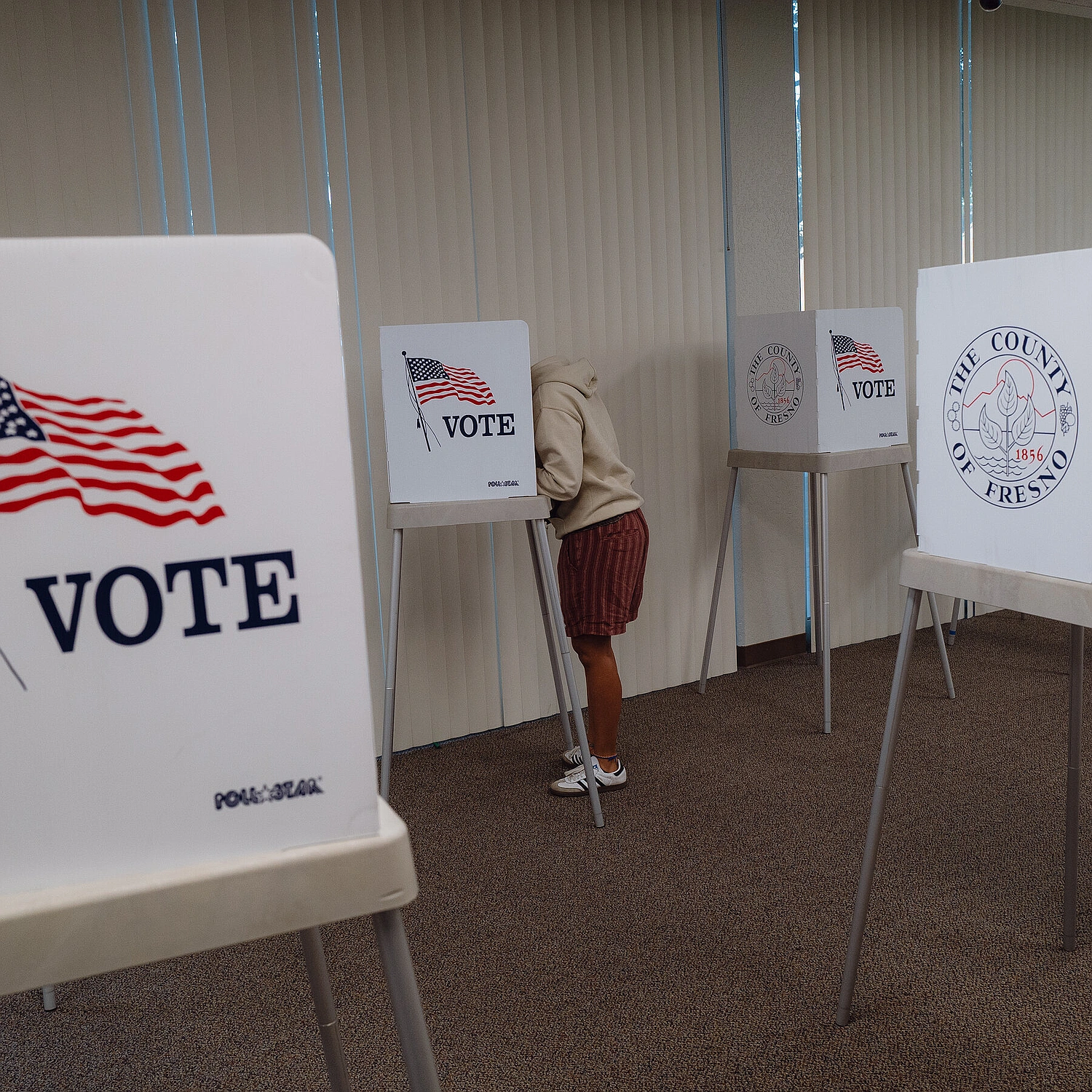
Texas kicked off the wave, and California has followed with newly approved House maps that were designed to flip as many as five seats for Democrats. In response, Republicans filed a federal lawsuit to block the California maps, arguing they tilt the playing field too far in one direction and threaten competitive balance. The outcome of these legal battles could influence who sits in Congress for years to come, and the legal wrangling is sending ripple effects through the legislative process in other states as lawmakers watch and learn from each other’s approaches.
Observers describe the current period as unlike recent redistricting fights, which typically unfolded over lengthy timelines inside state capitols. Some experts call it a crisis with implications for how districts are drawn for a generation, while others warn that the rapid pace of court challenges risks undermining stable governance. The imagery of a car whose wheels are coming off is used by some to capture the sense of urgency and instability surrounding maps that determine political power. As the battles unfold, residents across affected districts face the real-world impact: who represents them, how they are counted, and what their votes truly signal in the next round of elections.
Though much remains unresolved, the broader pattern is clear: partisan mapmaking is pushing into more states, courts are increasingly central to the process, and the public awaits decisions that could reshape the congressional landscape for years to come. Transparency and careful consideration of voters’ interests are being urged by watchdogs and researchers who worry that rapid, politically charged redistricting could erode trust in the electoral system. In the end, the maps that survive the legal process will help determine the balance of power in Congress and, by extension, the shape of national policy for the foreseeable future.
Cover image source: Republicans Swiftly File Lawsuit in Bid to Block California’s New House Maps 🔗
