Drake’s 'Take Care': How Emotional Rap Rewrote the Mainstream Playbook

Drake’s 'Take Care': How Emotional Rap Rewrote the Mainstream Playbook
Remember when feelings weren't cool in rap? Drake's iconic 'Take Care' album flipped the script, making vulnerability a superpower and redefining mainstream hip-hop forever. Explore its lasting impact and essential track
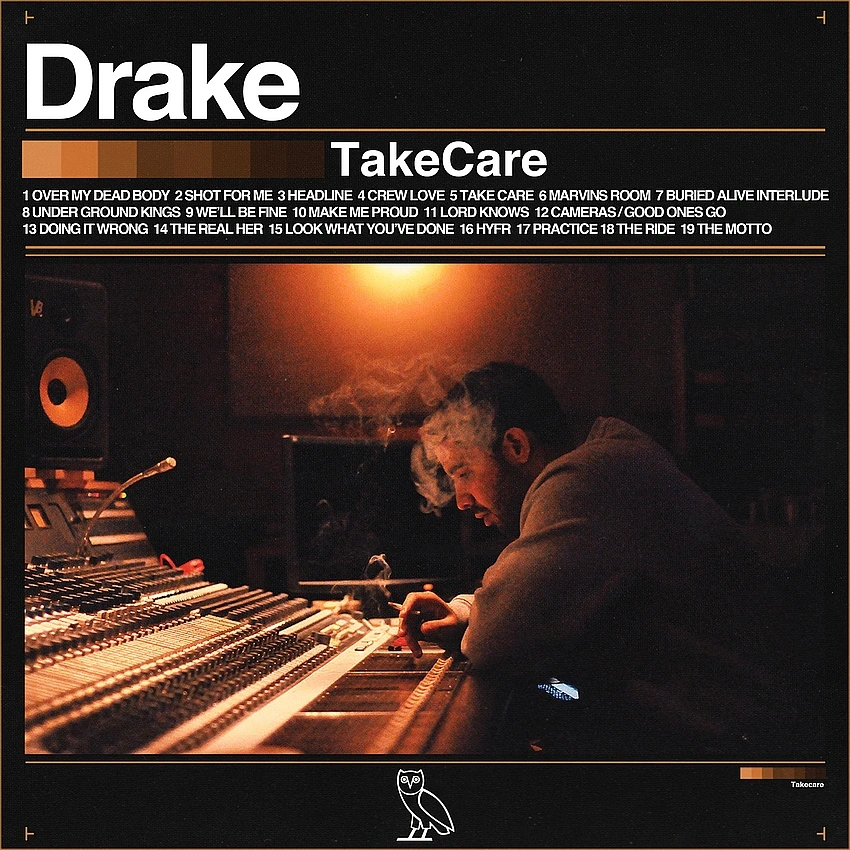
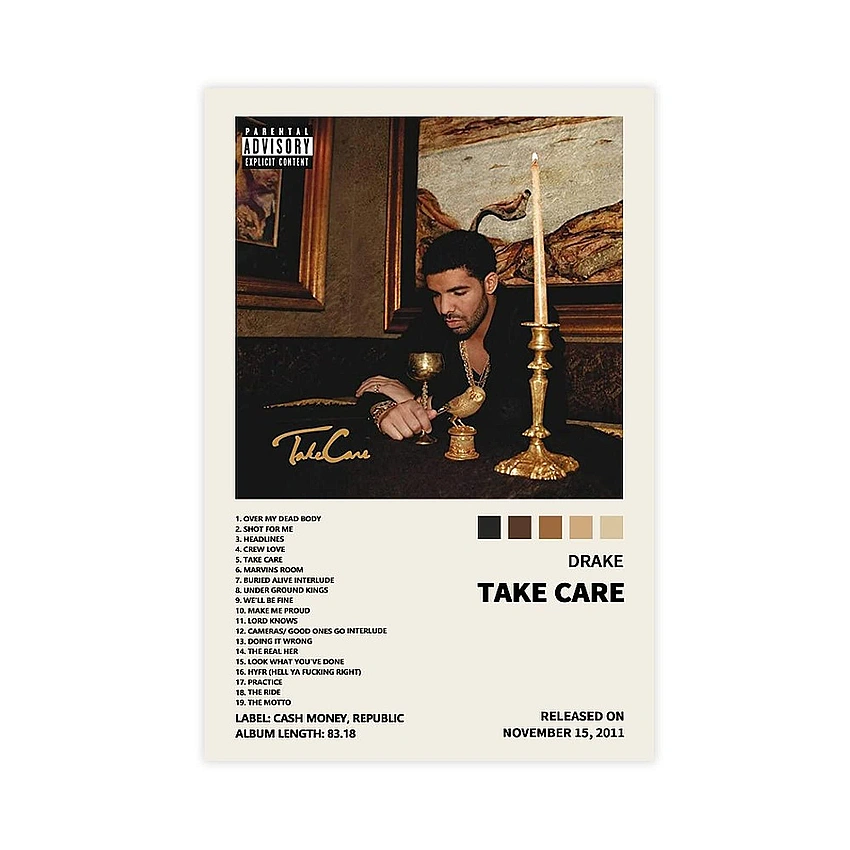
When Drake dropped Take Care in 2011, it wasn't just another album-it was a seismic shift. In an era still largely dominated by bravado and aspirational excess, Drake dared to put his anxieties, insecurities, and late-night regrets front and center. This was mainstream rap's most vulnerable superstar laying bare his soul, and it resonated profoundly.
Take Care arrived when hip-hop was ready for something different. While artists before him certainly touched on introspection, Drake made it the core of his appeal, delivering somber confessionals over atmospheric, often melancholic beats. He crafted a soundscape that felt like a solitary drive through a city at 3 AM-pensive, reflective, and deeply personal.
The Art of the Open Wound
Drake's genius on Take Care lay in his ability to make hyper-specific emotional narratives feel universally relatable. Who hasn't felt the sting of a past relationship or the loneliness amidst success? Tracks like 'Marvins Room' became anthems for the emotionally available-or perhaps, the emotionally tortured.
Its stark, voicemail-laden narrative of drunkenly calling an ex is a masterclass in relatable vulnerability. It's awkward, raw, and utterly human. Similarly, 'Shot For Me' delves into the complex feelings of lingering affection mixed with resentment, capturing the messy reality of post-breakup emotions.
These weren't just songs; they were therapy sessions set to music, giving listeners permission to feel and express their own often-hidden sensitivities. The album proved that sharing your deepest fears could be just as powerful, if not more so, than flaunting your greatest triumphs.

Essential Listening: Beyond the Banger
While Take Care had its share of bangers, its true power lay in the tracks that invited you deeper into Drake's psyche. 'Look What You've Done' stands out as a heartfelt ode to his mother and grandmother, a rare glimpse into the foundational influences that shaped his character. It's a narrative rich with gratitude and the quiet understanding of love's sacrifices. He raps,
“And you was my everything / Prayin’ for me when I was out in the streets / And you were my everything / I apologize for ever being out of your reach.”
This blend of personal storytelling with a melancholic beat created a new blueprint for mainstream hip-hop, one where emotional honesty wasn't a weakness, but a compelling strength. It broadened the scope of what a rapper could be, encouraging a generation of artists to explore their own complex interior worlds.

A Legacy of Feeling
Take Care didn't just change Drake's career-it changed the game. It normalized talking about feelings, insecurities, and relationships in a genre traditionally seen as hyper-masculine. This album paved the way for countless artists who followed, proving that vulnerability could indeed be the ultimate form of cool.
It taught us that true strength often lies in acknowledging your weaknesses, and that sometimes, the quietest whispers can make the loudest statements. Ten years on, its influence is still palpable, a testament to the enduring power of raw emotion in music.
Where Do We Go From Here?
Take Care remains a landmark album, a cornerstone of Drake's discography and a pivotal moment in modern music history. It's a reminder that sometimes, to move forward, you have to be willing to look inward. So, next time you're feeling a little in your feelings, put on Take Care and remember that Drake gave us all permission to do just that.
