Gripen Engine Upgrade Shocks NATO With Hidden Power and Stealth

Gripen Engine Upgrade Shocks NATO With Hidden Power and Stealth
Gripen Engine Upgrade Shocks NATO With Hidden Power and Stealth
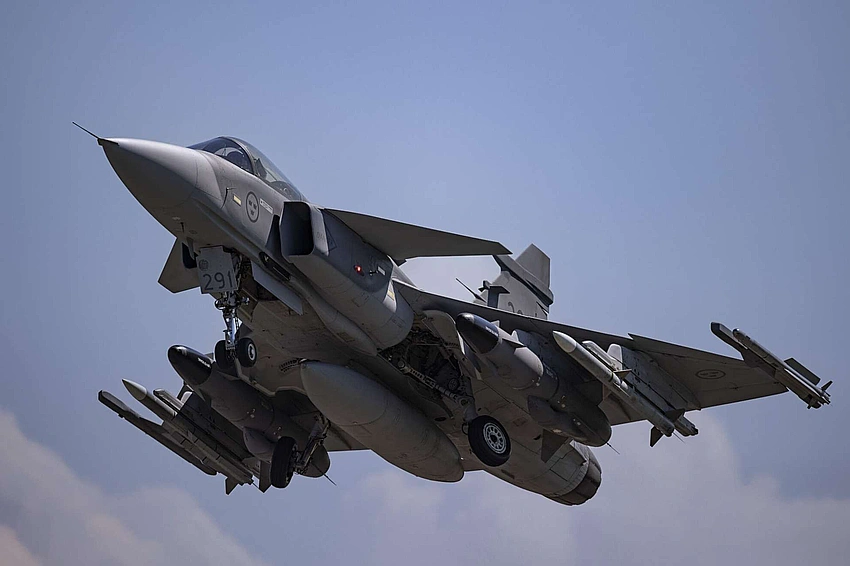
Rolls Royce made deep internal engine changes to the Gripen E. The jet gained lower heat signature more range and faster response. The move alters alliance planning and export politics.
Rolls Royce made a major covert upgrade to the Gripen E engine. The work focused on internal flow and control systems. The result is a jet that is harder to detect by heat sensors. The jet also gains longer endurance and crisper thrust response. This is a big shift for a plane known for low cost and high efficiency.
The change matters for buyers. Nations that want capability without high price now have a new option. Canada and other states that weigh F35 purchases will take notice. The upgrade reduces reliance on a single supplier and shifts bargaining power in export talks.
Technically the upgrade used smarter engine controls and revised cooling paths. These changes cut infrared signature. They also improved combustion efficiency. Pilots get near instant thrust changes. That improves dogfight performance and survivability in contested airspace.
Strategically the upgrade forces NATO to update threat models. Invisible internal changes are harder to track than visible airframe mods. Alliance planners must now monitor software and internal hardware changes more closely. This raises questions about inspection and export rules.
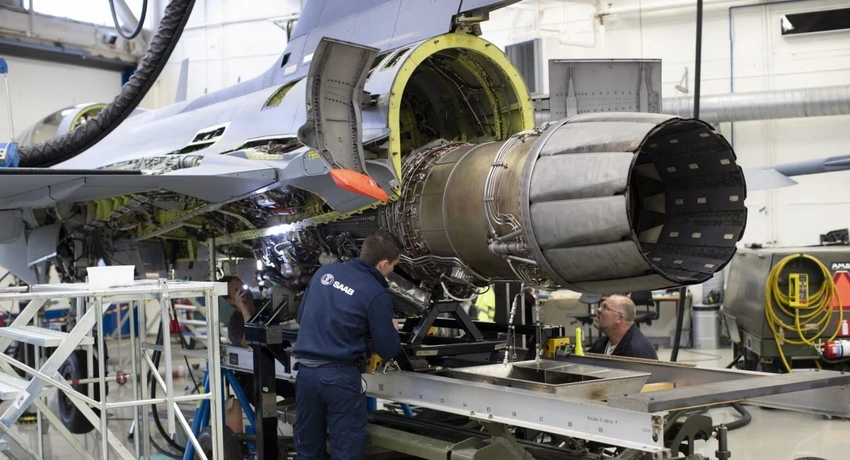
The political angle is clear, engine suppliers can shape the balance of power. Control over engines can become leverage in export approvals. Nations may seek more domestic work or alternate suppliers to avoid single point control.
The practical gains are immediate, lower heat signature means fewer missile locks. Greater range means wider patrols without tankers. Faster thrust response means better maneuvering in combat. These are tangible battlefield advantages.
This story shows how small internal changes can have large strategic effects. It also shows the growing role of software and thermal design in modern air combat. Expect more scrutiny of engine upgrades and new export debates in the months ahead
