Gen Z's Vibe Check: Decoding Modern Anxiety's New Language

Gen Z's Vibe Check: Decoding Modern Anxiety's New Language
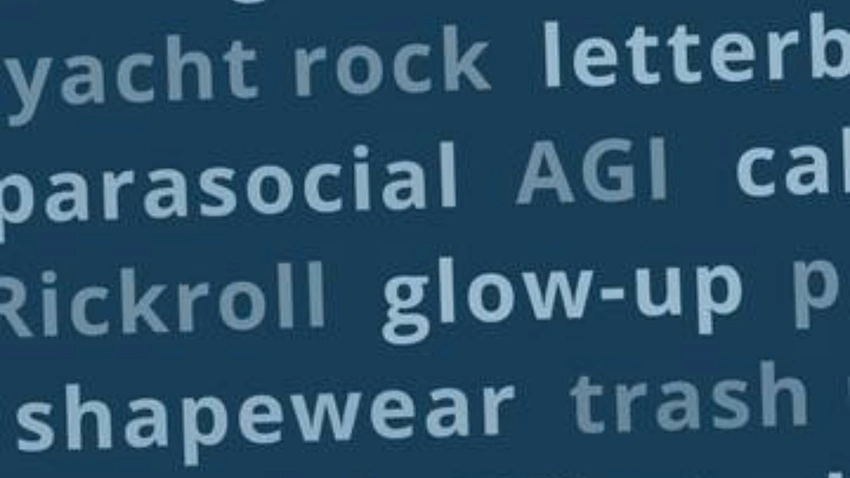
Ever felt the 'Sunday scaries' or found yourself in 'cuffing season'? These new words recognized by Merriam-Webster reveal how Gen Z is redefining anxiety and emotional states.
The way we talk about our feelings is constantly evolving, and nowhere is this more evident than in the vibrant, precise language shaping up around modern anxieties, especially within younger generations. When an institution like Merriam-Webster recognizes terms like 'Sunday scaries,' 'cuffing season,' and 'uncanny valley,' it's not just about adding new words to the dictionary-it’s a powerful validation of shared emotional experiences.
They're incredibly relatable terms for phenomena that deeply affect millions.
Take "Sunday scaries," for instance. It perfectly captures that specific, creeping dread that settles in as the weekend winds down, anticipating the demands of the workweek ahead.
It's more nuanced than just feeling down; it's a distinct form of anticipatory anxiety, and now it has an official, widely understood name.
Then there’s "cuffing season." This term humorously-yet accurately-describes the colder months when people actively seek comfort and companionship, often leading to relationships or heightened social activity to stave off loneliness. It speaks to a very real human need for connection, amplified perhaps by the constant highlight reel of social media or the unique isolation sometimes felt despite being hyper-connected digitally.
And "uncanny valley"? While its roots are in robotics and animation, describing the unsettling feeling caused by humanlike figures that are almost perfect but not quite, its usage has exploded. Now, it's often invoked to describe anything that feels eerily familiar yet subtly off, creating a deep sense of discomfort or even dread.
Think deeply filtered selfies, AI-generated content, or even certain performative social interactions online.
These aren’t just trendy phrases-they’re linguistic shorthand for experiences many feel deeply but couldn't articulate before.
This linguistic evolution highlights a profound shift: younger generations are increasingly adept at identifying and naming their complex emotional states. This isn't just about expanding vocabulary; it's about elevating mental health literacy and collective understanding.
Why this surge in new emotional lexicon now? Part of it stems from an increased societal openness around mental health discussions, shattering old stigmas. Gen Z, being digital natives, often navigate a world of constant information, social comparison, and global stressors, from climate change to socio-political upheaval.
These pressures manifest in novel ways, demanding new descriptors.
Social media platforms, despite their well-documented drawbacks, have paradoxically created powerful spaces for collective vulnerability. They allow individuals to realize that their 'peculiar' feelings are, in fact, widely shared, fostering a sense of community. This collective recognition then often crystallizes into new words, providing both a label and a form of solace.
The mainstream embrace of these terms by institutions like Merriam-Webster signifies more than just academic interest. It shows a growing awareness and acceptance of these nuanced emotional landscapes. It gives people the language to describe their internal worlds, which is often the essential first step towards understanding, validating, and ultimately addressing them.
What's Your Vibe Check?
This trend isn't slowing down. As our world continues to evolve, becoming ever more complex and digitally intertwined, expect an even richer tapestry of terms to emerge that encapsulate our evolving emotional responses.
From digital fatigue to eco-anxiety, our language will adapt, providing new tools to navigate the modern human experience.
What new words are you using to describe your unique anxieties or emotional states?
Share your insights!

Login to comment.
No thots yet. Be the first to share your thoughts!