SC Forms High-Powered Panel to Probe Police Excesses in NEET Protests!

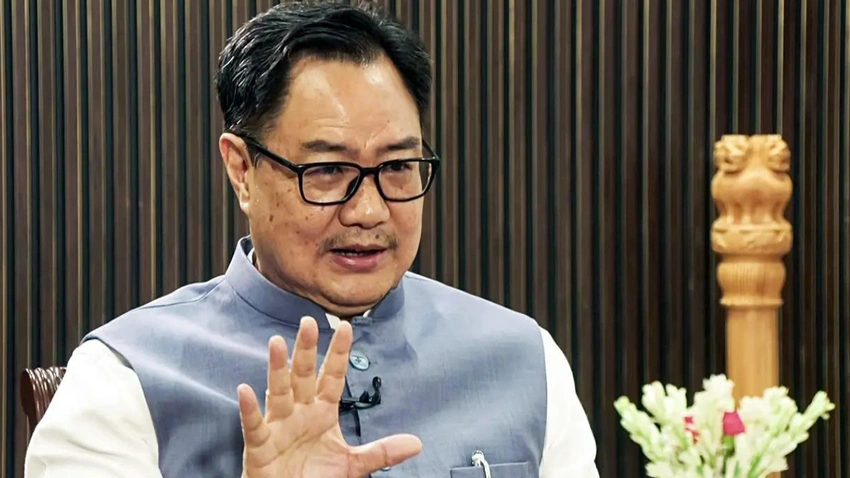
SC Forms High-Powered Panel to Probe Police Excesses in NEET Protests!
India's Supreme Court is stepping in! A high-powered panel will investigate allegations of police excesses against student protesters during the NEET agitation in Delhi. Get the full story!
The Supreme Court of India has announced the formation of a high-powered committee to investigate allegations of police excesses during recent student protests related to the NEET examinations in Delhi. This significant move by the top court aims to address concerns raised by students and civil society alike regarding the use of force by law enforcement.
The committee will comprise retired judges, a former Director General of Police (DGP), an ex-CBI director, and other members whose names will be finalized soon. A formal order detailing the committee's composition and terms of reference is expected to be released on Wednesday, following suggestions from various parties involved.
One of the key responsibilities of this panel will be to examine video footage and CCTV recordings of the violence that occurred during the July 20 Parliament march in Delhi. Additionally, the committee will specifically look into complaints and allegations made by female protesters who reported being targeted during the demonstrations in Delhi and other areas.
The Supreme Court, represented by a bench of Chief Justice Surya Kant and Justices Joymalya Bagchi and V Mohana, has emphasized the gravity of the situation. The bench stated, "It is the life of students, which is at stake. We have to consider this. They have a future ahead. They have the right to protest under Article 19." This statement underscores the court's concern for student rights and futures, indicating a potential use of its plenary powers under Article 142 of the Constitution to quash FIRs against student protesters.
Solicitor General Tushar Mehta, representing the police, informed the court that over 2,800 "anti-social elements" with previous records of heinous offences were identified as responsible for the violence. The court had previously clarified that "criminal antecedents" for releasing students referred only to those involved in grave offences, allowing states to withdraw FIRs against other students in accordance with the law. This ongoing dialogue between the judiciary and law enforcement highlights the complex nature of managing protests while upholding both public order and fundamental rights.
#NEETProtest #SupremeCourt #StudentRights #PoliceAccountability
