Robin Hood's Legendary Major Oak Dies After Up To 1,200 Years

Robin Hood's Legendary Major Oak Dies After Up To 1,200 Years
The iconic Major Oak, an ancient sentinel of Sherwood Forest tied to the Robin Hood legend, has sadly died after centuries. Discover the heartbreaking reasons behind its demise.
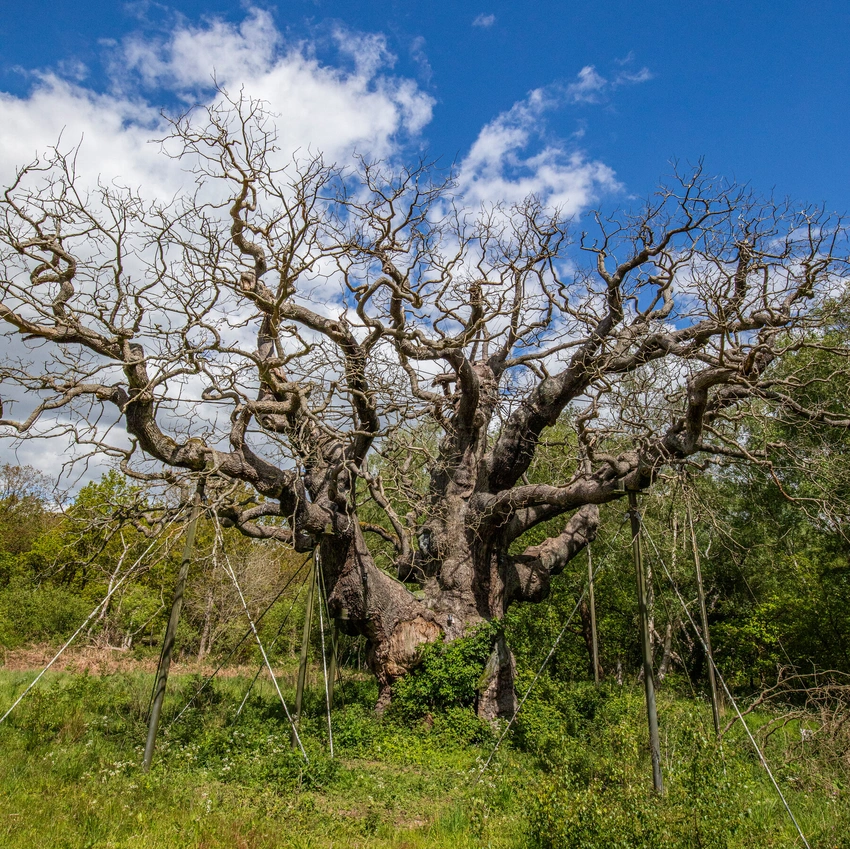
Sherwood Forest mourns the loss of an icon: the Major Oak, an ancient tree revered for its connection to the legendary Robin Hood, has officially died. Experts confirm that the beloved oak, believed to be between 800 and 1,200 years old, has reached the end of its remarkable life after failing to produce leaves this spring.
The passing of the Major Oak is attributed to a complex combination of factors, highlighting the delicate balance between nature and human impact. Over-tourism, with countless visitors flocking to witness the historic tree, placed immense stress on its root system and surrounding environment. This, coupled with the escalating effects of climate change, further weakened the ancient giant. Adding to its woes were well-intentioned, yet ultimately misguided, efforts to preserve it, which may have inadvertently contributed to its decline.
The Major Oak wasn't just any tree; it was a living legend, a silent witness to centuries of history and folklore. Local tradition held that Robin Hood and his Merry Men used its hollow trunk as a hideout. Its imposing stature and sprawling branches made it one of the most famous trees in the United Kingdom, drawing visitors from across the globe. Its demise serves as a poignant reminder of the fragility of even the most ancient and resilient natural wonders, urging a re-evaluation of how we protect our planet's irreplaceable heritage.
