Burnham: Wealthier Areas Must Take More Asylum Seekers, New Migrant Tactics Revealed

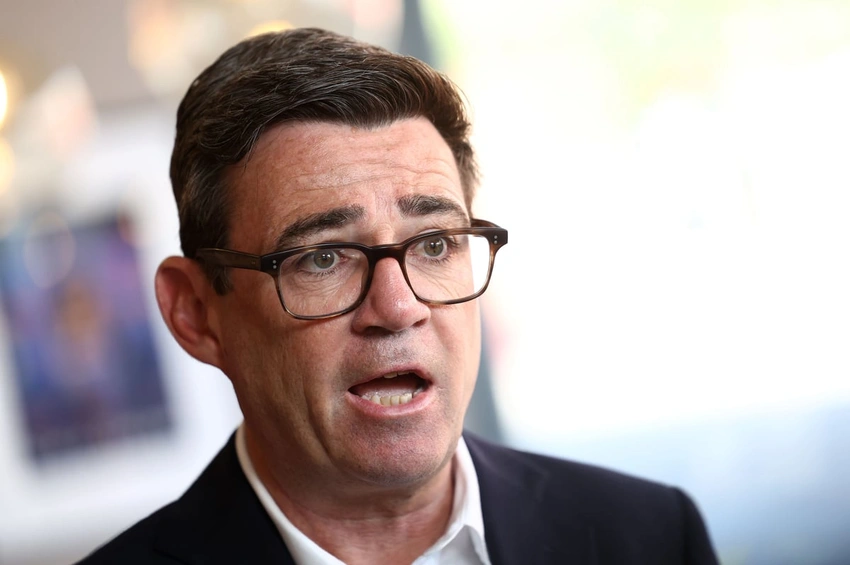
Burnham: Wealthier Areas Must Take More Asylum Seekers, New Migrant Tactics Revealed
Andy Burnham reveals a bold shift in migrant crossing strategy, calling for wealthier regions to house more asylum seekers. Discover the proposed new tactics and their potential impact on national policy. #MigrantCrisis
Andy Burnham, a prominent political figure, has pledged a significant shift in tactics regarding migrant crossings, specifically calling for wealthier areas to accept a greater number of asylum seekers. This declaration comes amidst ongoing national discussions surrounding the escalating challenges posed by dangerous Channel crossings.
Burnham's proposed new approach aims to address the current strain on resources and ensure a more equitable distribution of responsibility across the country. He emphasized that the current system places disproportionate pressure on certain regions, advocating for a revised strategy that involves a more widespread intake of asylum seekers, particularly from areas with greater financial capacity. This move signals a potential re-evaluation of how asylum claims are processed and individuals are housed within the UK.
The context of these proposed changes is the persistent issue of migrants attempting to cross the English Channel in small, often unseaworthy, boats. These perilous journeys have resulted in numerous tragedies and place immense pressure on emergency services and immigration authorities. Burnham's commitment to "change tactics" suggests a focus not just on interception but also on the long-term integration and support of those seeking asylum.
Complementing this, the Prime Minister has also reiterated the government's "relentless" commitment to dismantling the criminal gangs that facilitate these dangerous crossings. This dual focus highlights a multi-faceted approach to the migrant crisis, combining efforts to deter illegal activity with a call for more structured and fairer internal policies for asylum seeker placement. The success of Burnham's proposed tactics would largely depend on national cooperation and a willingness among various regions to share the responsibility more evenly.
This evolving discourse underscores the complexities of migration policy, balancing humanitarian concerns with border security and national resource management. Burnham's stance is likely to provoke considerable debate on the social and economic implications of such a policy shift.
