The Silent Architects: How Algorithms Are Reshaping Our Decisions & Society

The Silent Architects: How Algorithms Are Reshaping Our Decisions & Society
Explore the profound impact of AI thinking on human decision-making and societal structures. A new perspective reveals how algorithms secretly influence our world.
We stand at a critical juncture where the very fabric of human decision-making is undergoing a profound transformation. The rise of artificial intelligence, once a distant concept, is now deeply embedded in our daily lives, quietly, yet powerfully, reshaping our choices and interactions. It's not just about efficiency anymore; it's about the fundamental relinquishing of our cognitive processes to machines.
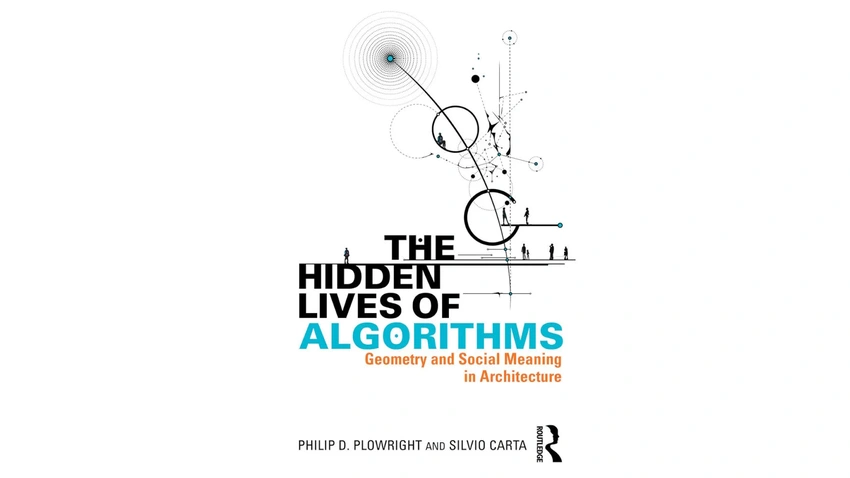
This pivotal shift is precisely what a compelling new narrative, ‘The Hidden Lives of Algorithms,’ brings into sharp focus. It’s a timely account, peeling back the layers to reveal how algorithmic thinking is challenging our human capacity for decision-making—a capacity we are increasingly ceding to AI.
The Subtle Erosion of Human Agency
Think about it: from the content curated for your social media feed to loan approvals and even medical diagnoses, algorithms are making calls that once required complex human deliberation. The societal pressures driving this trend are immense.
The promise of speed, objectivity, and unparalleled data processing often makes the automated choice seem like the superior one.
But what are we losing in the process?
As we delegate more and more decision-making to AI, we risk a subtle erosion of human agency. The book highlights how these systems, while often designed with good intentions, carry inherent biases and operate on parameters that are not always transparent. The “thinking” of an algorithm isn't human thinking; it's a statistical prediction based on historical data.
When that data is flawed or incomplete, the algorithm's decisions can perpetuate and even amplify existing inequalities.
Navigating the Algorithmic Future
This isn't to say AI is inherently bad.
Its potential for innovation, problem-solving, and improving lives is undeniable.
However, we must critically engage with its deployment.
Understanding “the hidden lives of algorithms” means acknowledging that these systems are not neutral tools; they are powerful forces shaping our reality.
Key considerations for this new era:
- Transparency: Demanding clarity on how algorithms make decisions.
- Accountability: Establishing who is responsible when AI systems err or cause harm.
- Human Oversight: Maintaining a human-in-the-loop approach, especially for high-stakes decisions.
- Ethical Design: Integrating ethical principles from the outset of AI development.
The challenge isn't merely technological; it's profoundly social and philosophical. How do we ensure that while algorithms enhance our capabilities, they don't diminish our humanity?
The conversation ignited by 'The Hidden Lives of Algorithms' is crucial for anyone navigating this rapidly evolving landscape.
It urges us to reclaim our capacity for critical thought and ethical consideration, ensuring that we remain the architects of our future, not just passive recipients of algorithmic dictates.
The stakes are high. As we move deeper into an AI-driven world, understanding these social implications is paramount. It's about more than just technology; it's about preserving the essence of what it means to be human in an increasingly automated age.
