Queens-born Mamdani Becomes NYC Mayor, Signaling a Policy Shift

Queens-born Mamdani Becomes NYC Mayor, Signaling a Policy Shift
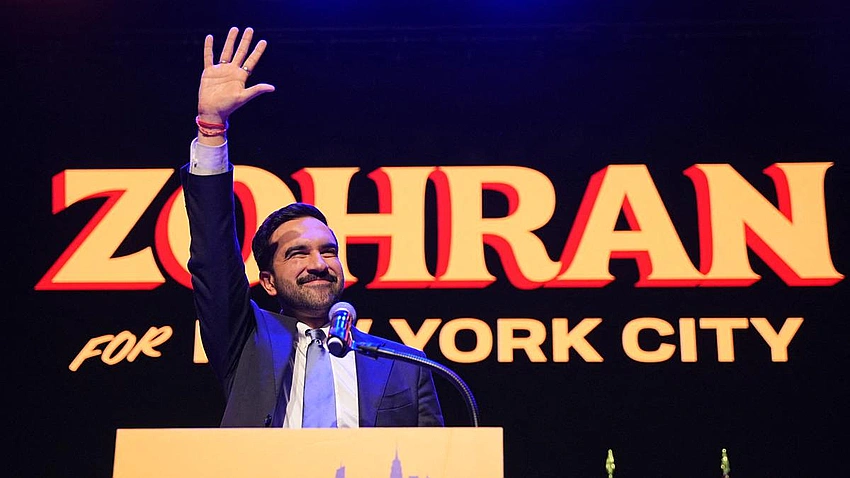
Zohran Mamdani’s victory as New York City’s 111th mayor signals a bold shift toward democratic socialism and transformative housing and services.
Zohran Mamdani, a Queens native, is set to become New York City’s 111th mayor, stepping into a role that could redefine how the city interacts with its residents. His rise to the mayoralty marks a moment where a democratic socialist platform becomes a mainstream political option in a city with a budget topping $100 billion and a population larger than many states. Mamdani’s campaign centered on ambitious policy goals designed to reshape the city’s relationship with renters, workers, and families, including rent freezes, universal childcare, and fare-free buses, all aimed at expanding access to affordable living and critical city services.
His broader vision includes strengthening affordable housing and rethinking how the city delivers essential services to millions of residents. By championing these ideas, Mamdani is signaling a willingness to challenge the status quo and push for a more expansive social safety net, while trying to keep the city financially sustainable. The incoming administration will likely be judged on its ability to translate bold promises into tangible gains for everyday New Yorkers, especially in neighborhoods where housing costs have surged and services are stretched thin.
The incoming mayor faces a dynamic federal backdrop. With the current national political climate, there could be friction as federal policy shifts unfold. Mamdani has already signaled a calculated approach to federal–city relations—pursuing his agenda where possible while choosing strategic battles. One of his stated steps is to expand the city’s legal capacity, potentially hiring hundreds of lawyers to defend city interests against federal actions perceived as overreach. This approach underscores a broader strategy to “Trump-proof” New York City and safeguard local initiatives, even as policy debates at the national level intensify.
Questions remain about practical logistics, including whether Mamdani will move into the official mayoral residence. The decision could carry symbolic weight for residents who want a visible, ongoing connection between city hall and the diverse communities it serves. Beyond logistics, his victory is widely interpreted as a signal that democratic socialist ideas, long associated with grassroots activism, have entered the mainstream political bloodstream in one of the nation’s most influential urban centers. The scale of his win, coupled with ongoing discussions about housing, childcare, and public transit, suggests a city ready to experiment with bolder governance while confronting the real costs of transformative policy.
As New Yorkers wait for January’s swearing-in, residents, businesses, and community groups will be watching closely to see how quickly and effectively the new administration can translate ambition into measurable improvements across the city.
Cover image source: America’s Mamdani moment 🔗
