US Eyes Revived Project Freedom as Hormuz Tensions Rise

US Eyes Revived Project Freedom as Hormuz Tensions Rise
Tensions spike in the Strait of Hormuz as the US weighs reviving Project Freedom to safeguard trade routes, while Iran reviews ceasefire proposals.
The United States is weighing a revival of its maritime security plan, Project Freedom, as tensions in the Gulf intensify around the Strait of Hormuz. President Trump signaled on Friday that the administration could bring back the program, potentially expanding it into what he called a “Project Freedom plus” if a ceasefire deal with Iran stalls. The move underscores Washington’s willingness to take a hands-on approach to protecting commercial vessels amid a volatile regional environment.
Trump spoke at the White House before heading to Sterling, Virginia for a dinner, noting that the plan would remain core in aim—to safeguard shipping lanes—while adding other elements if talks fail. His description suggested a flexible framework built to adapt to evolving diplomacy and security needs.
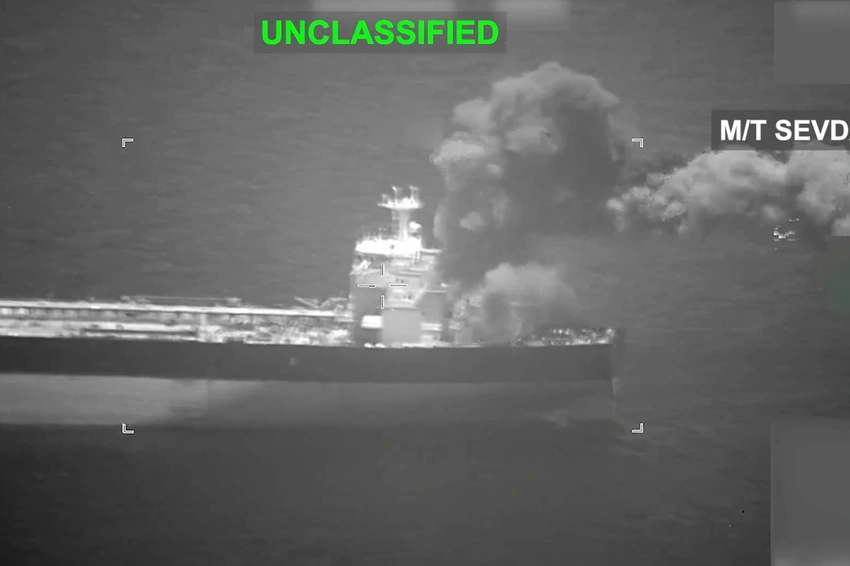
In the meantime, U.S. forces carried out strikes against Iranian targets and reportedly disabled two Iranian-flagged tankers in an effort to enforce a port blockade, according to Iranian officials who condemned the strikes as a breach of the ceasefire and a hindrance to diplomatic efforts to end the conflict. The latest military moves come as Washington awaits Tehran’s response to its most recent ceasefire proposals, signaling ongoing diplomatic engagement even as clashes continue near Hormuz.
Analysts warn that while a revived security mechanism could help keep commercial traffic moving, any durable de-escalation will depend on a concrete Iranian commitment. Observers will be watching Tehran’s reply closely as both sides navigate a delicate balance between deterrence and diplomacy, with regional and global markets keeping a wary eye on developments.
