AI Authenticity Crisis: Should ALL Art Get a Label?

AI Authenticity Crisis: Should ALL Art Get a Label?
The music industry is pushing for clear labels on AI-generated and AI-assisted tracks. Is this a necessary step for transparency, or does it stifle innovation? Dive into the authenticity debate.
The art world is facing a monumental shift, and the music industry is front and center in tackling one of its biggest challenges: authenticity. We're witnessing a pivotal moment where the lines between human creation and machine generation are blurring, prompting a vital discussion about how we define and consume art.
The Music Industry's Bold Move
Leading organizations like the Recording Industry Association of America (RIAA), the Grammys, and SAG-AFTRA, alongside other key players in the music community, have put forth a unified approach to voluntary track labeling. Their goal is straightforward: give fans clearer information about the use of generative AI (GenAI) in sound recordings.
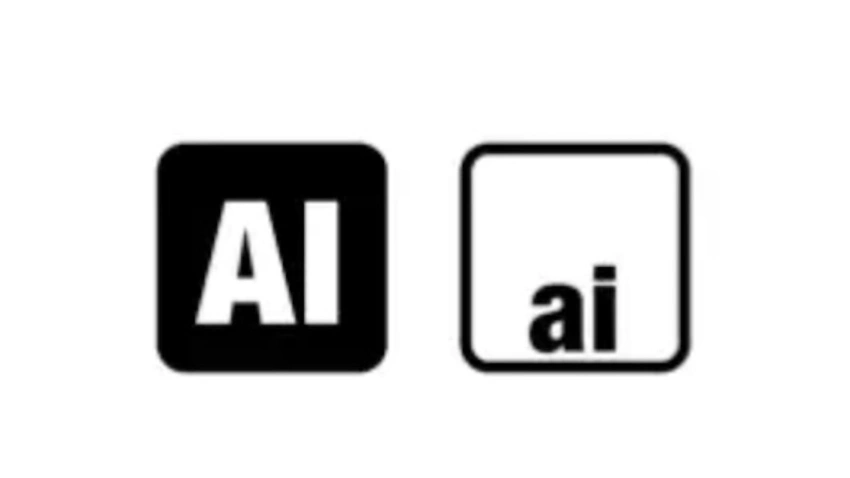
Imagine digital markers, much like the parental advisory stickers we've seen for decades, but for AI. The proposal includes a black block with a large “AI” for entirely “AI-Generated” tracks, and a white block with a smaller “ai” for “AI-assisted” songs. It's about acknowledging the profound value of human artistry.
As IFPI CEO Vikki Oakley and RIAA Chairman & CEO Mitch Glazier articulated,
Fans want to know whether and how generative AI has been used in the music to which they listen.
They emphasize that “given how important human artistry and authenticity is to music lovers all over the world, these labels will provide an immediately understandable and easily scalable approach to transparency.”
Why Now? The Influx of AI Art
This initiative isn't happening in a vacuum. It's a direct response to the unprecedented surge of AI-created content. The numbers are frankly astounding:
- Deezer reported that AI-generated songs comprised 44 percent of all new uploads.
- Apple Music observed that one-third of new music uploaded to its service is “100% AI.”
These statistics highlight a clear trend: AI is no longer a fringe element; it's a significant, rapidly growing force in content creation. Without clear markers, consumers are left in the dark, unable to distinguish between a human artist's pure vision and a machine's output, or even a collaboration between the two.
Beyond Music: The Broader Authenticity Crisis
While music is leading the charge, this authenticity crisis extends far beyond sound waves. We're talking about AI-generated images, literature, videos, and more. The core question remains: should all AI-generated or AI-assisted art be labeled?
Is it about consumer trust, protecting human creators, or simply providing information?
- For labels: Proponents argue that labels ensure transparency, inform consumer choices, and uphold the value of human creative effort. It’s about giving credit where it’s due, whether to a human or a machine, and allowing listeners to make informed decisions based on their preferences for authenticity.
- Against labels: Some worry that mandatory labeling could stigmatize AI-assisted works, stifling artistic experimentation or hindering artists who legitimately use AI as a tool, not a replacement. There’s also the challenge of defining ‘AI-assisted’—how much AI intervention warrants a label?
This move by the music industry sets a fascinating precedent. It's a proactive step in a rapidly evolving landscape, forcing us to collectively consider what authenticity means in the age of artificial intelligence. The conversation has just begun, and its outcome will shape the future of art for generations to come.
