“Fake News”: Israel Denies Plot to Assassinate Iranian Negotiators

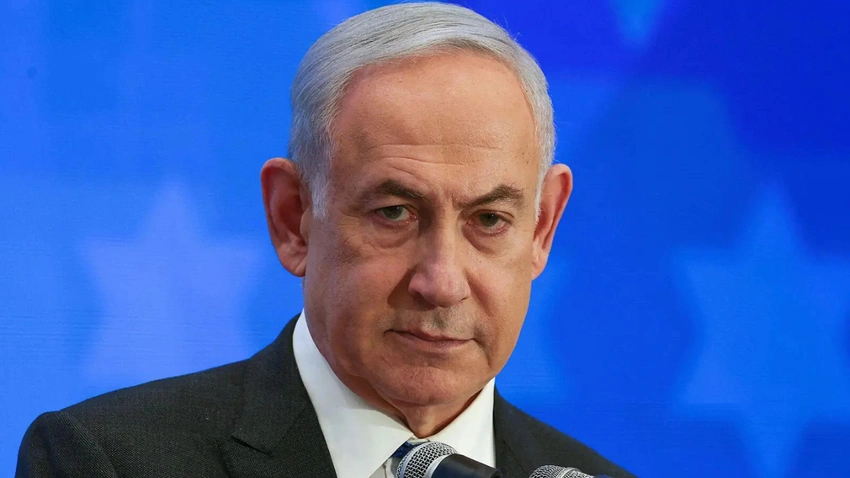
“Fake News”: Israel Denies Plot to Assassinate Iranian Negotiators
Israel vehemently denies reports it planned to assassinate senior Iranian negotiators, labeling claims "fake news." US officials reportedly warned Iran, fearing derailed peace efforts. Get the full story on this high-sta
Israel has emphatically dismissed reports alleging a sinister plot to assassinate senior Iranian negotiators during diplomatic talks, branding the claims as unequivocal "fake news." This forceful denial comes in response to a bombshell report by The New York Times, which detailed the alleged scheme and has since stirred significant international concern and debate. This highly sensitive accusation underscores the volatile nature of Middle Eastern geopolitics and the delicate balance of power.
The New York Times report, citing unnamed US officials, suggested that Israel had plans to target key Iranian figures. Specifically mentioned were Abbas Araghchi and Mohammad Bagher Ghalibaf, prominent negotiators who play crucial roles in Iran's diplomatic engagements. The allegations paint a picture of extreme clandestine operations, which, if true, would represent a severe escalation in regional tensions.
Adding another layer of complexity, the report further claimed that US officials, upon learning of the alleged Israeli intentions, took the extraordinary step of warning Iran. This unusual intervention by American diplomats was reportedly driven by fears that such a drastic action would not only undermine but completely derail existing peace efforts and any prospects for de-escalation in the fraught relationship between the two nations.
However, Israel has stood firm in its position, issuing an immediate and strong rejection of the claims. The use of the term "fake news" by Israeli authorities signifies their intent to discredit the report entirely, suggesting it lacks any basis in reality and is potentially designed to create unwarranted friction. This clear and unwavering denial aims to counter the narrative presented by the Times and quell any speculation about their intelligence operations.
Amidst these escalating tensions and diplomatic denials, there remains ongoing high-level engagement between key players. Israeli Prime Minister Benjamin Netanyahu and US President Donald Trump have reportedly agreed to a future meeting, indicating that strategic discussions between the allies continue. This suggests that despite the controversy, diplomatic channels remain open as the international community grapples with persistent geopolitical challenges in the region.
