Modi's women's reservation plan under fire over delimitation

Modi's women's reservation plan under fire over delimitation
Opposition accuses the government of using a delimitation move to push a 33% women’s quota by 2029, claiming it benefits larger states and sidelines smaller regions.
The Congress launched a pointed critique of the government's move to redraw Lok Sabha and state assembly seats, arguing the delimitation proposal is being used to push the 33% women’s reservation law by 2029 and that it advantages larger, more populous states. The Opposition described the plan as a 'weapon of mass distraction' and warned that the timing and framing are designed to boost political mileage ahead of polls. They argued that the arithmetic of seat distribution would magnify power in populous states and undermine smaller regions.
In a social-media post, Congress leader Jairam Ramesh pointed to examples where differences between states would grow under the plan: Uttar Pradesh's and Kerala's seats would expand from a 60-seat gap to 90; the gap between Uttar Pradesh and Tamil Nadu could rise from 41 to at least 61. He said such shifts would magnify already large numbers in populous states and erode the relative influence of Punjab, Haryana and northeastern states.
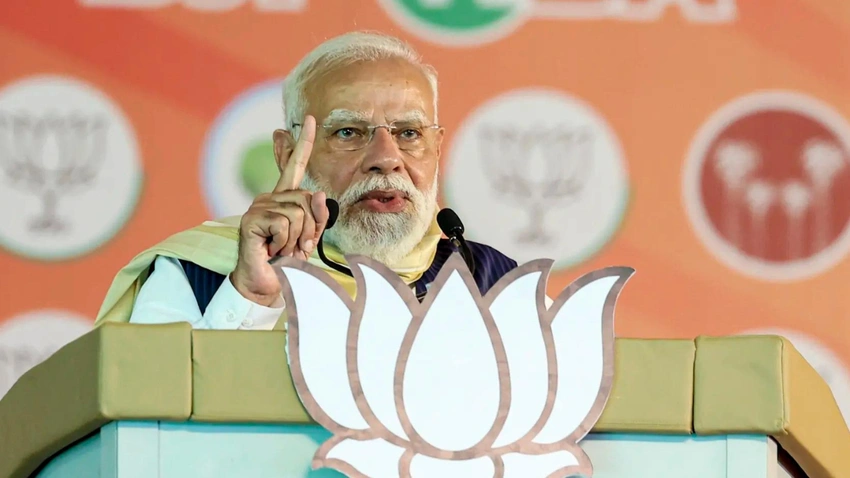
The government countered that the regional balance would be maintained and that the total number of Lok Sabha seats could rise to accommodate the 33% reservation for women. The proposal would be based on the 2011 Census and is intended to fast-track the implementation of the Women’s Reservation Act enacted in 2023, so the quota could take effect from the 2029 Lok Sabha polls. Modi argued that the vision is to safeguard women's representation without reducing any state's voice and asserted that southern states would not lose seats even as constituencies increase.
With Parliament's Budget session extended by three days, the administration signaled urgency to push the quota bill through, while Modi urged women across the country to press the opposition to support it unopposed. The debate comes amid broader tensions over the government's handling of federal representation and the timing of the reservation, set against the backdrop of upcoming elections and ongoing discussions about regional power dynamics.
