Is Uber Deliberately Slowing Self-Driving Cars? The Shocking Truth

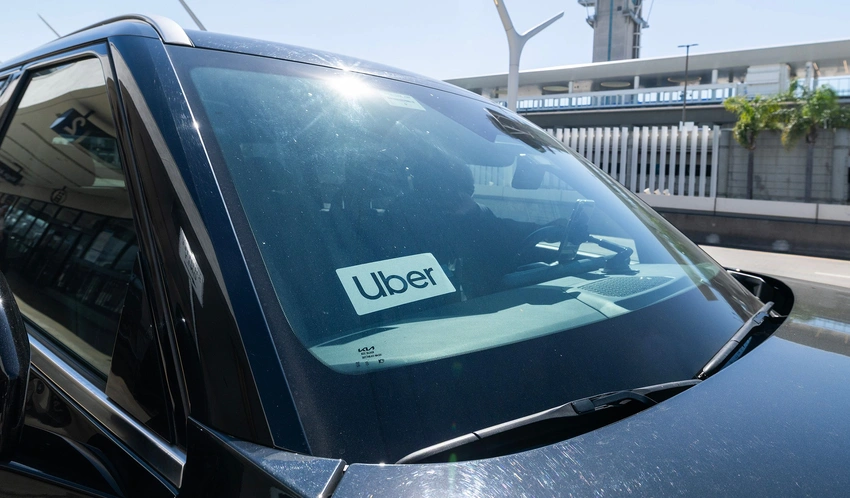
Is Uber Deliberately Slowing Self-Driving Cars? The Shocking Truth
Uber's strategy to slow self-driving car adoption isn't just a rumor. They're implementing policies in multiple regions, positioning themselves for future dominance while publicly fighting monopolies. Get the inside scoo
The automotive and tech worlds are buzzing with the promise of self-driving cars, but don't be fooled by the surface-level enthusiasm. Look closer, and you'll find a sophisticated chess game being played, with Uber at the helm, orchestrating a strategic slowdown.
It's a calculated maneuver unfolding right before our eyes, particularly evident as we reach mid-2026.
Here's the stark truth: Uber is actively pushing policies in at least two significant markets that, while ostensibly designed for 'fair play' or 'consumer protection,' effectively hobble the swift adoption and widespread deployment of autonomous vehicles (AVs) by their competitors. Their public stance?
They are “fighting monopolies.” But an industry insider understands this is a carefully crafted narrative, a convenient smokescreen for a much deeper game of market control.
Think about it. If AVs become ubiquitous too quickly, and independent operators or rival ride-hailing services can deploy them en masse, Uber's current dominant position, built on its network effect and driver workforce, could erode rapidly. Their advantage lies in controlling the transition, not in accelerating it for everyone.
By influencing regulatory bodies and local governments, Uber can subtly introduce hurdles: stringent testing requirements that favor established players with deep pockets, data-sharing mandates that are arduous for startups, or even zone restrictions that limit where AVs can operate.
These aren't overt bans, but rather a thousand small cuts that slow down progress for challengers.
It's about market readiness, on Uber's terms.
They are leveraging their political capital and lobbying power to ensure that when the fully autonomous future finally arrives, they are positioned to capture the lion's share of it, or at least dictate its terms. It's a classic example of incumbents using their power to shape the future in their favor, rather than letting pure innovation drive the outcome.
The irony of their “fighting monopolies” claim is palpable. By slowing down the general adoption of self-driving technology, they are essentially creating a future where only a few, very powerful players, perhaps including themselves, once they've perfected their own fleet and strategy, can realistically operate.
This allows them to consolidate power and establish their own near-monopoly on the autonomous transportation market, just as they did with human-driven ride-hailing.
We're seeing this strategy play out in specific urban landscapes where legislative battles over AV deployment are heating up.
The details are nuanced, often buried in municipal codes or state legislative proposals, but the pattern is clear.
Uber isn't just observing the AV race; they are subtly placing roadblocks in the path of their rivals, ensuring that the finish line shifts further away for everyone else, while they strategically position themselves for a decisive sprint when the time is right.
Keep your eyes peeled; this long game is far from over.
