Zuckerberg Ignites AI War: Openness vs. Centralized Control. Who Wins?

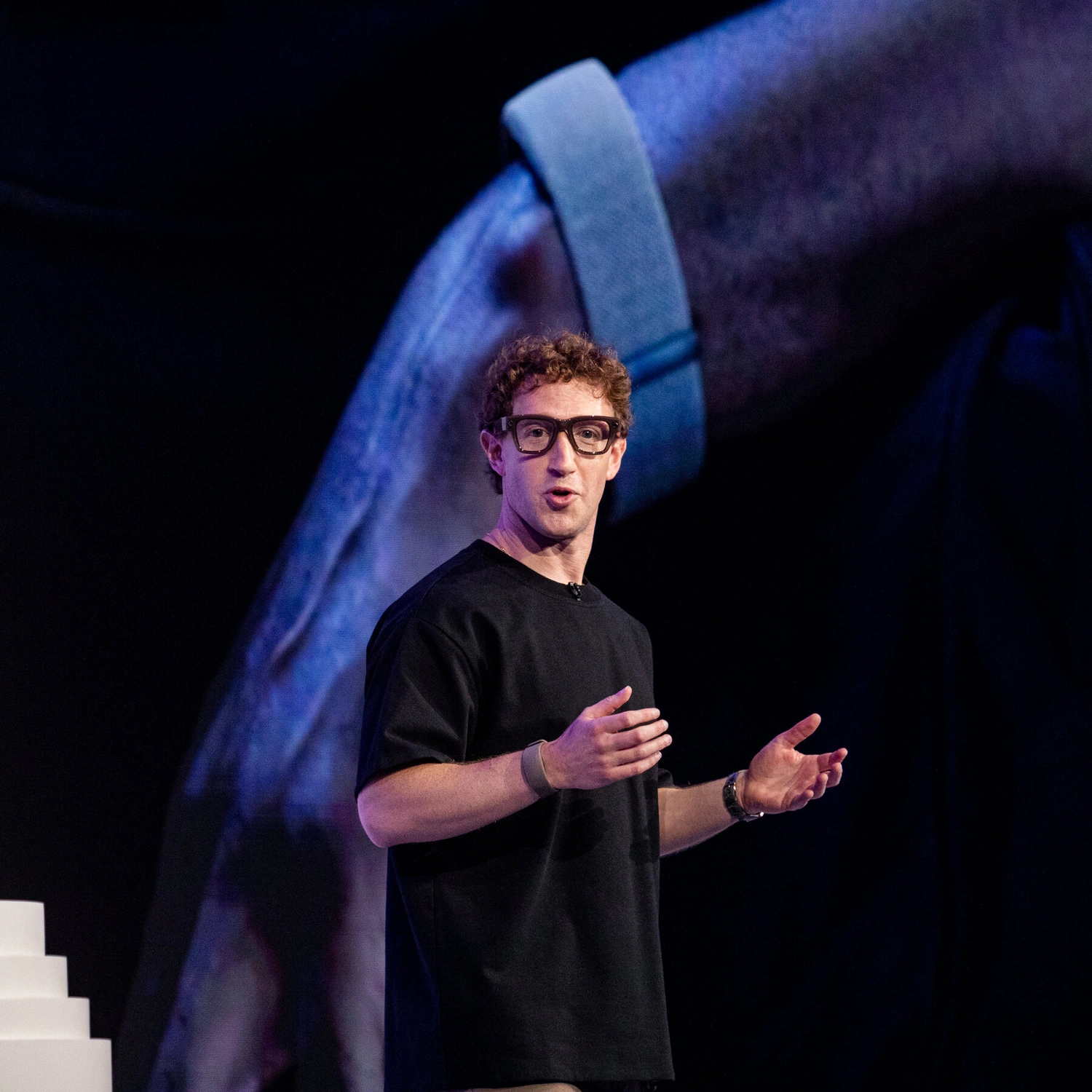
Zuckerberg Ignites AI War: Openness vs. Centralized Control. Who Wins?
Meta's CEO is calling out major AI players for their tight grip on development. Is this the fight for AI's soul? We're diving deep into what it means for innovation.
The AI Crossroads: Centralization vs. Openness, A Battle for Innovation
The future of artificial intelligence is being shaped right now, and the debate over how it should be built and controlled is reaching a fever pitch. At the heart of this discussion? A pivotal conflict between centralized, proprietary systems and an open, collaborative approach.
Mark Zuckerberg, CEO of Meta, recently weighed in, taking a clear stance against the current trend of tightly controlled AI development. His comments, specifically targeting companies like Anthropic and OpenAI, highlight a growing concern that the power to mold this transformative technology is becoming too concentrated in too few hands. Zuckerberg is advocating for “more openness,” a philosophy Meta itself has embraced with models like Llama.
Why Does This Matter for Innovation?
Think about the early days of the internet, or the explosion of open-source software.
When barriers to entry are low, and knowledge is shared, innovation accelerates at an incredible pace.
More minds, more diverse perspectives, and more rapid iteration lead to breakthroughs that a handful of closed-off labs simply can't match.
Centralized Control: The Double-Edged Sword
On one hand, the argument for centralized AI development often centers on safety and control. Proponents suggest that powerful AI systems, developed by well-resourced teams with extensive guardrails, are less likely to go awry. There's also the promise of highly polished, performant products that benefit from focused investment.
However, the downside is significant: a potential stifling of creativity, slower adoption of diverse applications, and the risk of a single entity dictating the ethical and functional parameters of AI for everyone.
The Case for Openness: A Catalyst for Creativity
Zuckerberg's push for “more openness” isn't just about philosophical ideals; it's about practical innovation. When foundational AI models are open-source, developers worldwide can inspect them, improve them, and adapt them to an endless array of novel uses. This democratizes access to cutting-edge technology, reducing the entry barrier for startups and researchers who lack the massive resources of tech giants.
It encourages a vibrant ecosystem where new ideas aren't bottlenecked by corporate gatekeepers.
Imagine the next generation of AI tools being built by a global community, rather than a select few.
What's at Stake?
It's a fundamental question about who gets to define and benefit from AI. Will AI's future be dictated by a few powerful corporations, or will it be a shared resource, cultivated by a diverse global community? The outcome will directly impact not only the pace of innovation but also the accessibility, equity, and ethical direction of this powerful technology.
The industry is at a crossroads, and the decisions made now about openness versus centralization will echo for decades. The push from leaders like Zuckerberg suggests this battle is just heating up, promising an exciting — and perhaps contentious — path forward for AI.
