Claudette Colvin, Civil Rights Pioneer, Dies at 86

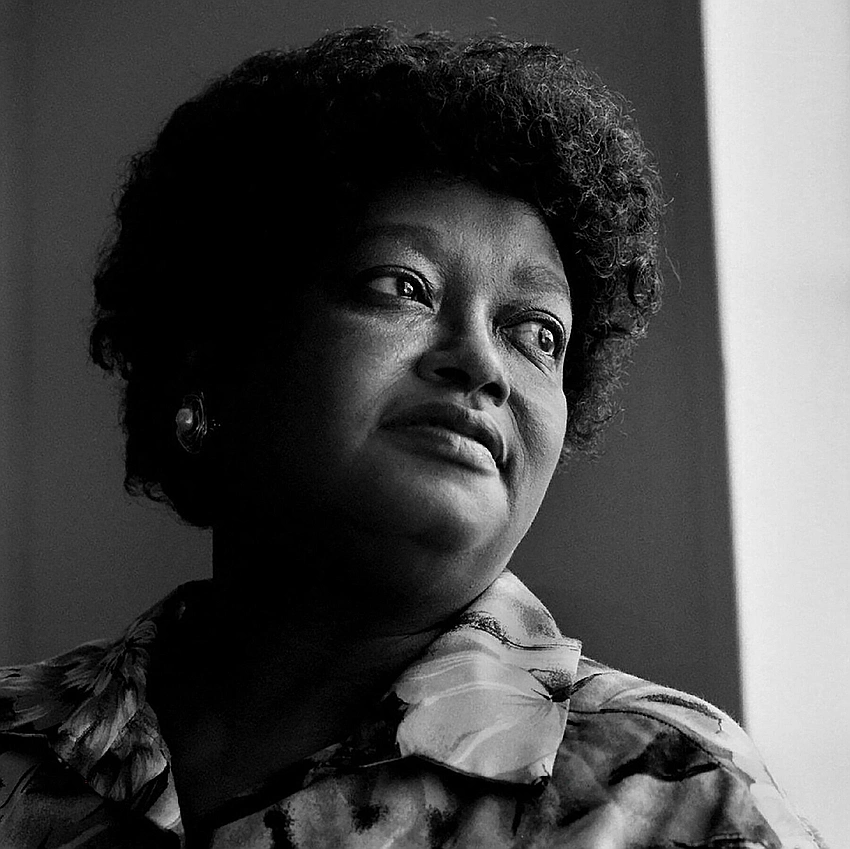
Claudette Colvin, Civil Rights Pioneer, Dies at 86
Claudette Colvin, who refused to give up her bus seat in Montgomery before Rosa Parks, dies at 86; her early stand helped shape the civil rights movement.
Claudette Colvin, a little-known but foundational figure in the civil rights movement, has died at 86 in Texas, where she had been under hospice care. The death was confirmed by a family spokesperson.
In Montgomery in 1955, at age 15, Colvin refused to give up her seat to a white person on a city bus and was dragged off by police. Her act of defiance occurred nine months before Rosa Parks' more famous stand, and while Parks became the public face of the Montgomery Bus Boycott, Colvin's decision is widely regarded as an early spark for the movement. The case soon joined the federal legal challenges that eventually led to rulings outlawing racial segregation on public transportation and helping catalyze the broader push for civil rights.
Colvin later explained that she had been studying abolitionist heroes in school and felt she had Harriet Tubman on one shoulder and Sojourner Truth on the other, urging her to stand her ground. However, in the years that followed, she did not receive the same level of recognition given to Parks. Part of that reflected class and color dynamics that historians often discuss: Colvin came from a poorer background and was lighter-skinned than Parks, factors that influenced how movement leaders presented the case at the time. Despite this, her testimony and role were later acknowledged as a catalyst for the boycott and the legal strategy to end segregation in buses.
In recent years, Colvin's juvenile arrest record was expunged, a development highlighted by her family as part of reclaiming her legacy. The years since have seen renewed attention to Colvin's contributions, with educators and civil rights historians emphasizing that a movement is made up of many brave individuals whose names may not always be in the spotlight. Her passing marks the end of a life that started with a single act of defiance and contributed to a broader transformation of American public life. Her family and supporters remember a woman whose quiet courage helped awaken a nation to the possibilities of justice.
