How Your Pillowcase Is Causing Your Cheek Acne and How to Fix It

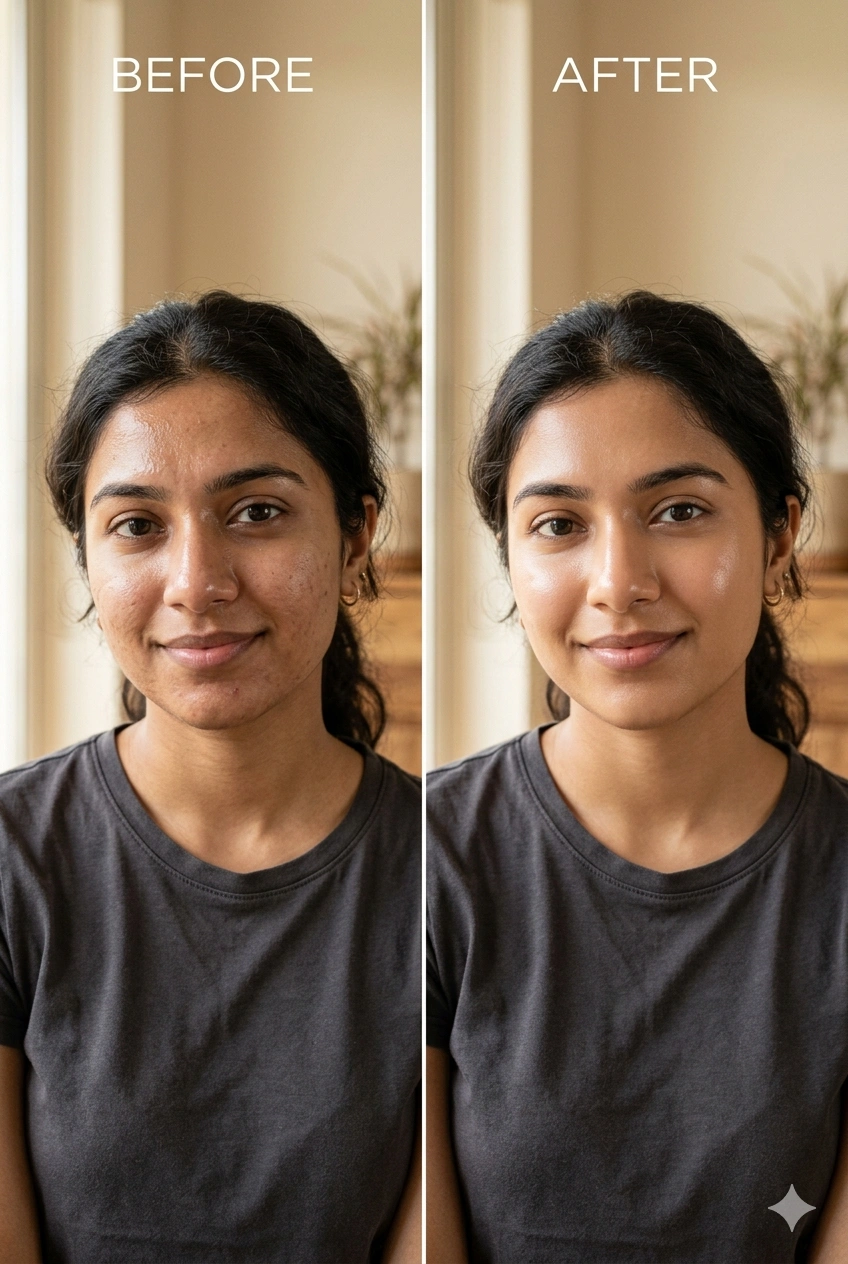
How Your Pillowcase Is Causing Your Cheek Acne and How to Fix It
Introduction
Persistent cheek acne that refuses to improve even after trying multiple skincare products is often not a product problem at all. In many cases, it is caused by environmental factors rather than hormones. One of the most overlooked culprits is your pillowcase. Every night, your skin comes into contact with a surface that may be carrying oil, bacteria, and residue. If not managed properly, this can silently trigger breakouts that no serum or cream can fully fix.
What Accumulates on Pillowcases Overnight and How It Transfers to Skin
Your pillowcase collects more than you think. Throughout the night, it absorbs oil from your skin and hair, sweat, dead skin cells, and leftover skincare products. Hair products like serums or conditioners can also transfer onto the fabric. Over time, this creates a buildup of bacteria and pore clogging substances. When your face rests on the pillow for hours, this mixture is pressed directly into your skin. Friction and warmth make it easier for pores to clog, especially on the cheeks. This repeated exposure can lead to consistent breakouts in the same areas.
How Often Pillowcases Need to Be Changed for Acne Prone Skin
If you are prone to acne, changing your pillowcase once a week is not enough. Ideally, pillowcases should be changed every two to three days to prevent buildup. For those with active breakouts, switching to a clean pillowcase every night can make a noticeable difference. Fabric choice also matters. Breathable materials like cotton can help reduce sweat accumulation, while smoother fabrics reduce friction on the skin. Keeping multiple pillowcases on rotation makes this habit easier to maintain. A simple change in laundry frequency can significantly reduce recurring cheek acne.
Other Contact Surfaces That Contribute to Cheek and Jaw Breakouts
Pillowcases are not the only surfaces affecting your skin. Mobile phones, hands, and even scarves or face masks can transfer oil and bacteria to your cheeks and jawline. Holding your phone against your face for long periods can press impurities into the skin. Touching your face throughout the day spreads bacteria from your hands. Makeup brushes and towels can also contribute if not cleaned regularly. These everyday habits often go unnoticed but play a major role in persistent acne. Reducing contact and keeping surfaces clean helps break the cycle of repeated breakouts.
How to Treat Spots That Have Already Formed from Contact Acne
Once acne has formed, the focus should be on gentle and targeted treatment rather than aggressive routines. Over drying the skin can worsen irritation and slow healing. Spot treatments that reduce inflammation and protect the area work best. Hydrocolloid based patches are especially effective because they absorb fluid, reduce redness, and prevent further contamination. They also stop you from touching or picking at the area, which is a common cause of prolonged healing. Consistency with simple care and reducing exposure to the original trigger will help clear existing breakouts faster.
Key Takeaways
• Pillowcases collect oil, bacteria, and residue that transfer directly to your skin
• Acne prone skin benefits from changing pillowcases every two to three days
• Everyday items like phones and hands also contribute to cheek breakouts
• Gentle spot treatments and protective patches help heal contact acne effectively
Conclusion
Cheek acne that keeps coming back is often a sign of environmental triggers rather than ineffective skincare. By focusing on hygiene and reducing contact with contaminated surfaces, you can prevent new breakouts while treating existing ones. For a simple and effective solution that protects and heals at the same time, try these 🔗pimple patches for face 🔗 and give your skin the clean environment it needs to recover.
