Black Gold for Zero Bucks: Your Ultimate Yard Waste & Cardboard Compost Guide

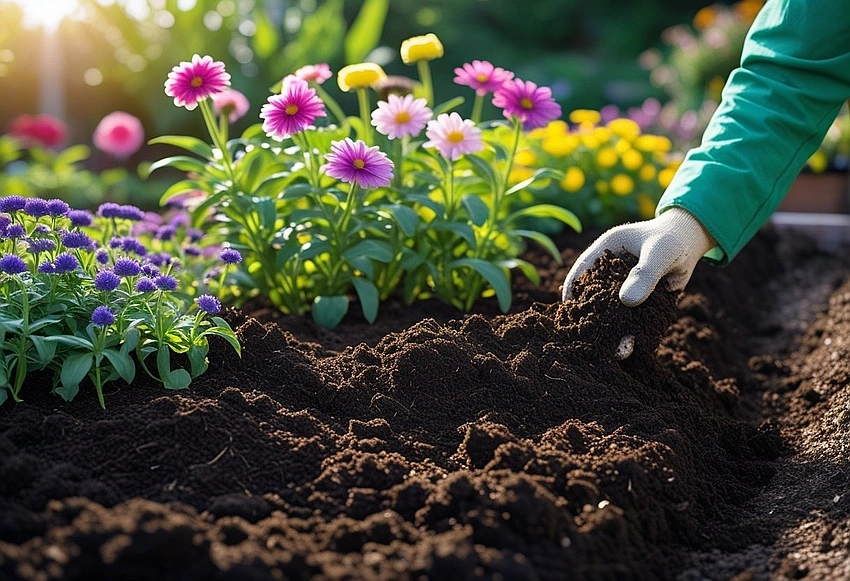
Black Gold for Zero Bucks: Your Ultimate Yard Waste & Cardboard Compost Guide
Unlock nature's secret! Transform everyday yard waste and cardboard into nutrient-rich compost without spending a dime. Get ready to supercharge your garden for free!
Black Gold for Zero Bucks: Your Ultimate Yard Waste & Cardboard Compost Guide
Imagine a garden bursting with life, fed by rich, dark soil you created for absolutely nothing. Sound like a dream? It's not!
You can turn household waste and yard debris into “black gold”, premium compost, without opening your wallet. It's about closing the loop on waste, enriching your soil sustainably, and fostering a thriving ecosystem right in your backyard.
The Secret Sauce: Carbon & Nitrogen Harmony
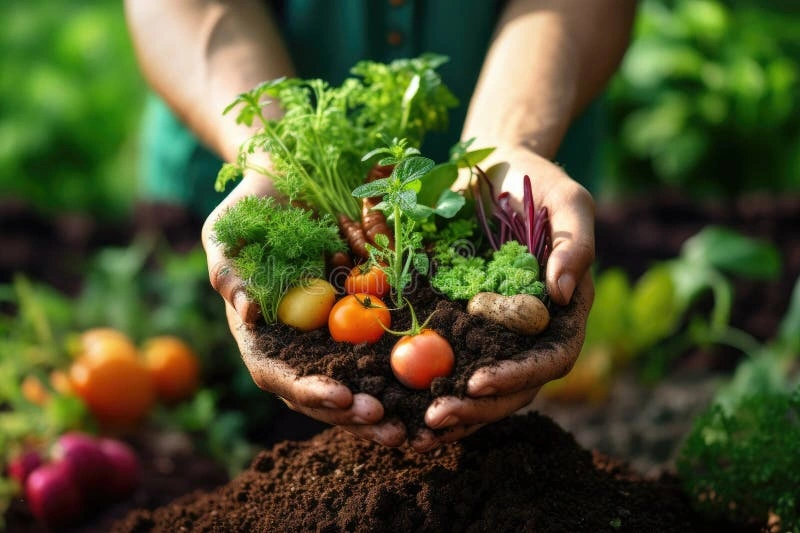
The magic of composting lies in balancing 'browns' and 'greens.' Think of browns as your carbon source and greens as your nitrogen kick.
For our $0 pile, your primary browns are unprinted cardboard and dried fallen leaves .
They provide the energy for the microorganisms.
For greens, we're looking to other fresh yard waste like grass clippings, green plant trimmings, and even some still-green fallen leaves.
This mix is crucial for a hot, efficient pile that breaks down quickly into nutrient-dense compost.
Gathering Your Free Treasures
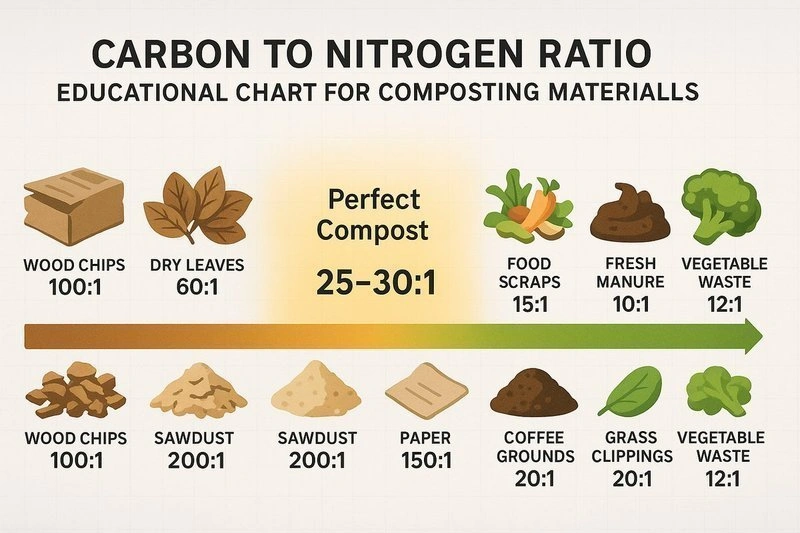
Your compost ingredients are already around you, waiting for a purpose. Start collecting:
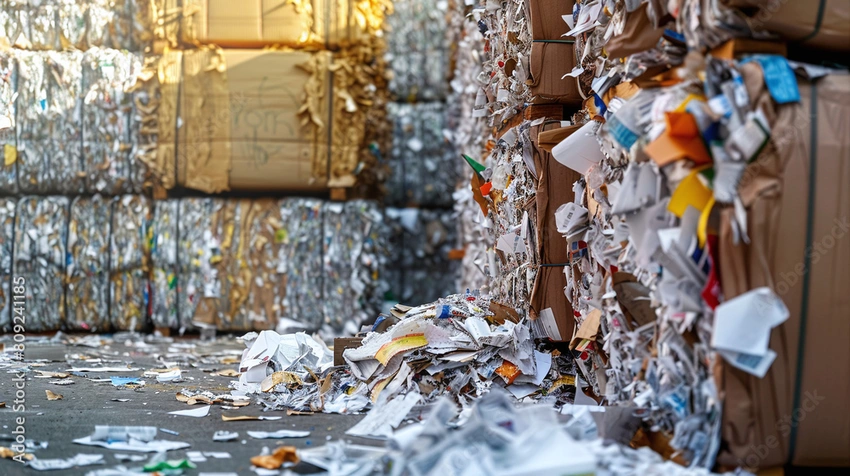
- Cardboard: Break down unprinted shipping boxes, toilet paper rolls, and paper towel rolls. Shred or tear them into smaller pieces (the smaller, the faster they decompose!). Remember, no glossy finishes or plastic tape.
- Fallen Leaves: Rake up those autumn treasures. They're nature’s perfect carbon source. Again, smaller pieces break down quicker, so consider running a lawnmower over them if you have one.
- Other Green Yard Waste: Grass clippings (in thin layers to prevent matting), fresh plant trimmings, spent garden plants (non-diseased), and weeds before they go to seed. These are your nitrogen powerhouses.
Building Your Zero-Cost Compost Pile
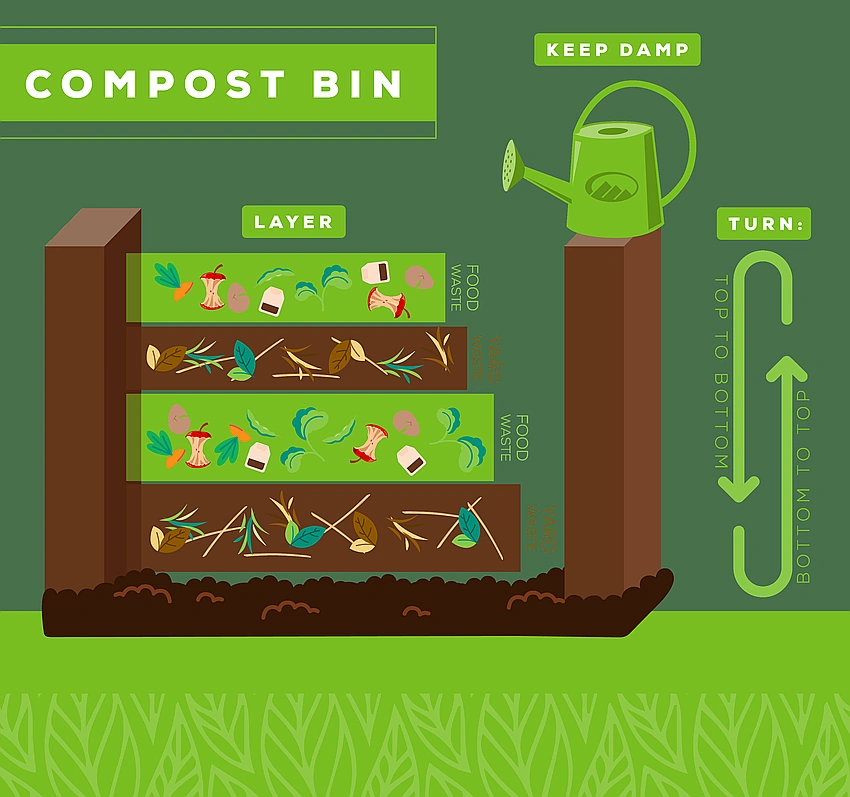
Finding the right spot is key: a shaded area that's easily accessible but not in direct, scorching sun. You don't need a fancy bin; a simple wire cage, stacked pallets, or even just a free-standing pile works. Now, let's layer it up:
- Foundation: Start with a 6-inch layer of coarse, woody browns (small twigs, chunkier cardboard) for aeration and drainage.
- Browns Layer: Add a thick 8-10 inch layer of shredded cardboard and dry fallen leaves.
- Greens Layer: Follow with a thinner 3-5 inch layer of your fresh yard waste (grass clippings, green trimmings).
- Moisture: Water each layer thoroughly until it's damp, like a wrung-out sponge. This is vital for microbial activity.
- Repeat: Continue layering browns, greens, and water until your pile is at least 3 feet high and wide, a good size for retaining heat. Aim for a ratio of roughly two parts brown to one part green by volume.
“Composting isn't just about reducing waste; it's about creating abundance from what was once considered garbage.”
Turning and Tending Your Black Gold Factory
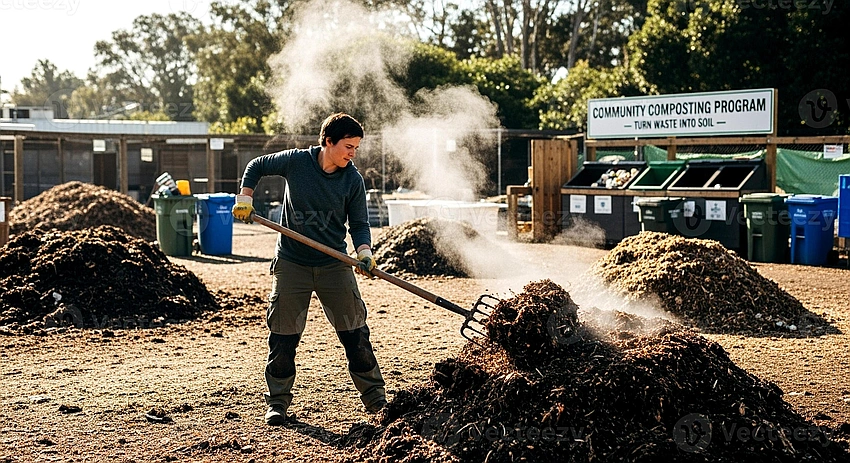
Composting is a partnership with microorganisms. They need air and moisture to thrive. Turn your pile every week or two.
This aerates the pile, mixes the ingredients, and helps maintain even decomposition. You'll know it's working if the center feels warm to the touch. If it smells bad (like rotten eggs), it's too wet and needs more browns and turning.
If it's not heating up, it might be too dry (add water) or lack greens (add more fresh clippings).
Harvesting and Using Your Free Soil Booster
Within a few months (or longer if your pile is colder or less managed), your compost will transform. It will be dark brown or black, crumbly, and smell like fresh earth.
There should be no recognizable bits of leaves or cardboard.
Sift out any larger pieces to return to the next pile.
This 'black gold' is perfect for:
- Top dressing: Spread an inch or two over garden beds and lawns.
- Soil amendment: Mix into new beds or potting mixes.
- Seed starting: Use finer sifted compost in your seed-starting mixes.
By embracing this zero-cost method, you’re not just making compost; you’re cultivating a healthier garden, a lighter footprint, and a deeper connection to the natural cycle of life. Happy composting!

Login to comment.
No thots yet. Be the first to share your thoughts!