Is Your BFF Gaslighting You? Spot the Manipulation & Protect Your Peace.

Is Your BFF Gaslighting You? Spot the Manipulation & Protect Your Peace.
Your best friend should be your biggest supporter, not your biggest question mark. Learn to identify gaslighting, understand its impact, and take steps to protect your mental health from manipulative friendships.
We all crave that ride-or-die best friend- someone who gets us, supports us, and makes us feel seen. But what happens when that dynamic shifts, and your closest confidante starts making you question your own sanity? We're talking about gaslighting- a subtle, insidious form of emotional manipulation that can slowly erode your self-worth and trust in your own perceptions.
It's a painful betrayal, especially when it comes from a BFF.
Imagine your best friend making you feel like you're overreacting, overly sensitive, or even 'crazy' for having perfectly valid feelings or recalling clear events.
It's a tactic designed to destabilize you.
Recognizing this manipulation is the first crucial step to reclaiming your mental peace and protecting your heart.
It's time to shine a light on these shadowy tactics.

What Exactly is Gaslighting in a Friendship?
Gaslighting is a form of psychological manipulation where a person makes someone else doubt their own memory, perception, or sanity. In a friendship, it often manifests as a slow burn, not an immediate blaze. Your BFF might deny things they said or did, twist facts, or invalidate your feelings, leaving you confused and constantly second-guessing yourself.
It's about control and maintaining power, often at your expense.
It's a masterclass in shifting blame and avoiding accountability.
It's a deliberate pattern of behavior designed to make you question your reality and rely more on theirs.
This dynamic can be incredibly damaging, chipping away at your self-esteem bit by bit until you hardly recognize yourself.

Clear Signs Your BFF Might Be Gaslighting You
Spotting gaslighting can be tough because it's so subtle, especially when it comes from someone you love and trust. Here are some red flags to watch for:
- “That never happened!” or “You’re making things up.” Your friend flat-out denies events, conversations, or actions that you clearly remember. They might even rewrite history, leaving you bewildered.
- “You’re too sensitive” or “Why are you always so dramatic?” They constantly minimize your feelings, making you believe your reactions are extreme or unwarranted. This makes you hesitate to express yourself.
- They blame you for their mistakes. If they mess up, it's somehow your fault for provoking them, misunderstanding them, or putting them in that situation.
- They invalidate your experiences. When you share a concern or upset, they respond with phrases like, “It's not a big deal,” or “You need to get over it,” instead of offering empathy.
-
They spread rumors, then deny it to your face. They might talk behind your back, and when confronted, they'll vehemently deny it, making you feel paranoid for even bringing it up.
Gaslighting slowly makes you doubt your own sanity, making you feel crazy for having perfectly valid reactions.
-
They create chaos and then play the victim. They might stir up drama and then act like they are the one being unfairly targeted, deflecting attention from their own actions.
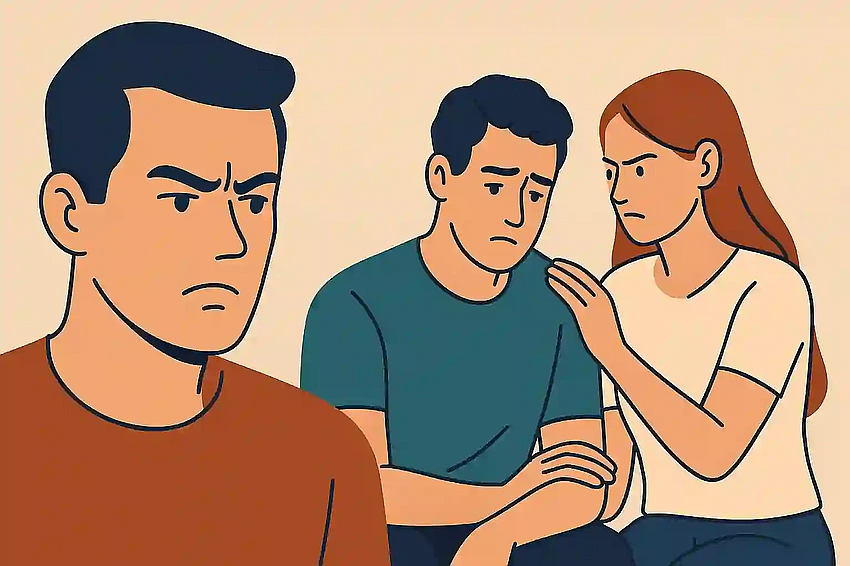
The Silent Toll: Your Mental Health Matters
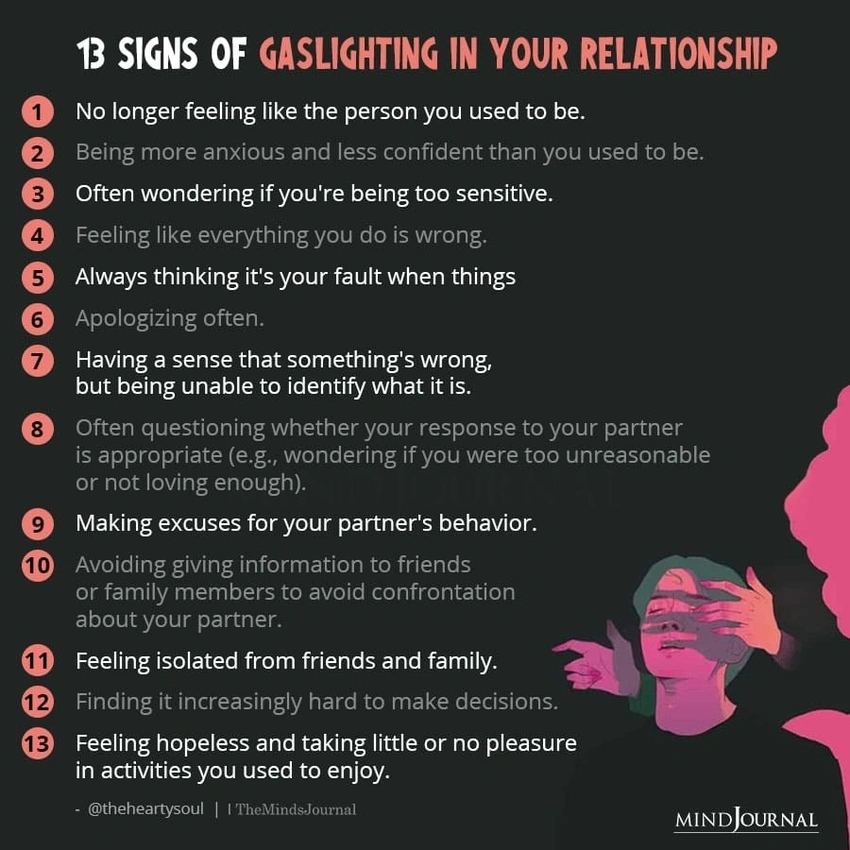
The impact of gaslighting can be profound. Constantly being told your reality is wrong leads to intense self-doubt, anxiety, and even depression. You might find yourself apologizing constantly, walking on eggshells, or struggling with decision-making because you no longer trust your judgment.
Your self-esteem plummets, and you might isolate yourself, feeling like no one will believe you or understand what you're going through.
Recognizing these internal shifts is just as important as identifying the external signs. If you feel perpetually confused, drained, or less like yourself around a particular friend, listen to that inner voice. It's often trying to tell you something important about your environment and the people in it.
Taking Back Your Power: How to Protect Yourself
Once you’ve identified gaslighting, the next step is protecting your mental health. This isn’t easy, especially with a BFF, but it's essential:
- Trust your gut. If something feels off, it probably is. Start validating your own experiences and memories, even if your friend denies them.
- Document interactions. Jot down notes about conversations or incidents that feel off. This isn't about collecting evidence for a court case, but about reaffirming your own reality.
- Set firm boundaries. When your friend tries to gaslight you, state your truth calmly: “I remember it differently,” or “I’m feeling X, and my feelings are valid.” Don't get drawn into endless debates.
- Seek outside perspectives. Talk to other trusted friends, family, or even a therapist. Their objective viewpoint can help you see clearly and confirm that you’re not ‘crazy.’
- Consider the future of the friendship. Sometimes, even with a long history, some friendships are too damaging to maintain. Protecting your peace might mean creating distance or even ending the friendship.

Ready for Real Friendship?
True friendship should uplift you, not tear you down. It should be a safe space where you feel understood, respected, and valued.
If your best friend is consistently making you doubt yourself, it's time to prioritize your mental well-being.
You deserve relationships built on honesty, trust, and mutual respect, not manipulation and confusion.
Embrace your worth and choose friendships that reflect the incredible person you are.