Normalizing Periods: How Celebrity Openness Is Breaking Health Taboos
Normalizing Periods: How Celebrity Openness Is Breaking Health Taboos
Explore how public figures like Rashmika Mandanna and Vijay Deverakonda are breaking menstrual taboos and why open conversations matter.
For generations, talking about menstruation felt like whispering a dark secret. We wrapped pads in opaque black bags, mumbled about stomach aches, and pretended that the physical and emotional rollercoaster of PMS simply did not exist. But the cultural landscape is shifting, and pop culture is leading the charge in tearing down these outdated barriers.
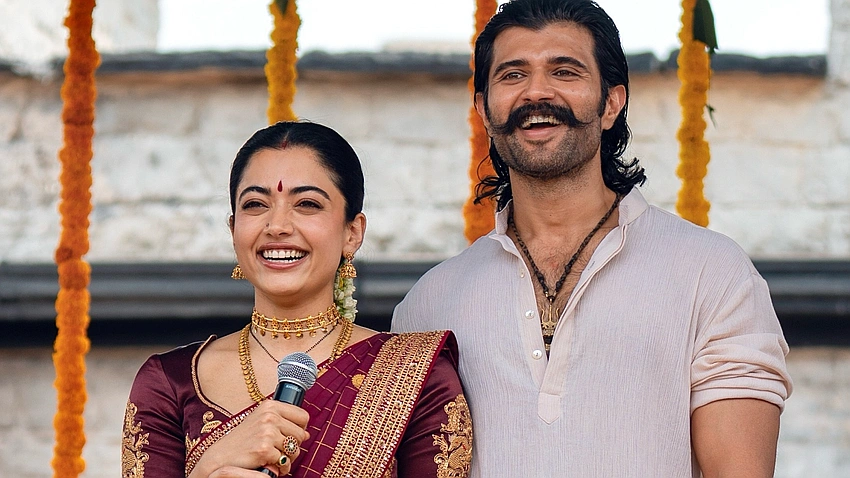
When public figures speak openly about the raw realities of menstrual health, they invite millions to do the same. Recently, actor Rashmika Mandanna opened up about how her husband, Vijay Deverakonda, supports her during her period, sharing details about navigating low moods, tummy rubs, and finding comfort in simple acts of presence. It is a refreshing departure from the era of silent suffering.
Critics might brush this off as casual celebrity chatter, but representation matters. When a high-profile couple normalizes asking for comfort and acknowledging physical pain, it sends a powerful message.
Menstruation is not a shameful secret or a punchline.
It is a biological reality that affects half the global population. Beyond the headlines, this conversation shines a light on what genuine support looks like. Dr Archana Dhawan Bajaj, a gynaecologist and IVF expert at Nurture Clinic, points out that while hand and foot massages might not magically cure cramps, they help relax the body and reduce stress.
More importantly, emotional validation transforms the experience. Partners do not need to perform miracles. They simply need to listen without judgment, acknowledge discomfort, and avoid dismissing symptoms as mere moodiness.
Partners should listen without judgement, acknowledge the discomfort and avoid dismissing symptoms as an exaggeration or blaming every change in mood on hormones, notes Dr Bajaj. This shift from dismissal to active empathy is revolutionary. Menstrual health education has historically been limited to awkward biology classes and hushed kitchen conversations.
Today, social media and celebrity candor are turning private struggles into public awareness.
We are learning to recognize the difference between normal PMS symptoms like fatigue and bloating, and more serious underlying conditions that require medical attention. When we talk about cramps, mood swings, and heating pads out in the open, we strip away the stigma.
Let us keep the dialogue going.
How are you breaking the silence around your health in your own circle?

Login to comment.