Pioneering Cancer Researcher Richard Scolyer Dies at 59, Inspires Nation

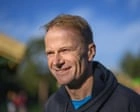
Pioneering Cancer Researcher Richard Scolyer Dies at 59, Inspires Nation
Remembering Richard Scolyer, the world-renowned cancer researcher and former 'Australian of the Year,' who bravely battled brain cancer with groundbreaking treatments, leaving a profound legacy of hope and inspiration.
Professor Richard Scolyer, the globally acclaimed cancer researcher and former Australian of the Year, has passed away at the age of 59. Scolyer, celebrated for his pioneering work in immunotherapy, shared a poignant final message with Australians, penned before his last stages of illness.
“My final message to all Australians is to say thank you for your outpouring of love and support for me and my family,” Scolyer stated. He extended his gratitude to those he met during his travels, his vast online community, and his hometown Tasmanians, acknowledging their shared laughter, tears, and unwavering encouragement. "You’ve laughed with me, cried with me, and provided encouragement and support to keep going just when I needed it most."
Scolyer candidly documented his journey, stating, “I haven’t sugar-coated my journey and I sincerely thank you for allowing me the space and opportunity to share it with you, warts and all.” He expressed hope that his openness would ease the path for others facing similar battles. His wish was to be remembered as “a proud everyday Aussie who ‘gave it a crack,’ and in doing so, inspired others to pursue their dreams and passions with humility, love and compassion.”
In May 2023, Scolyer received a devastating diagnosis: grade-four inoperable brain cancer, with a prognosis of only six to eight months to live. In a world-first effort, he embarked on a series of novel immunotherapy treatments, a testament to his dedication to advancing medical science. This experimental approach successfully slowed the growth of the glioblastoma until its return in early 2025.
In March, Scolyer updated his 150,000 Facebook followers on the progression of his cancer. “Not the best day ever,” he wrote, adding, “There seems to be further progression of my brain tumour… Whilst it is a bit disappointing, in the big picture it’s not the end of the road and I’ve got more to do!” Just a week prior, he had voiced anxiety about an upcoming brain scan. His public sharing of his struggle brought awareness and hope, turning his personal fight into a beacon for medical research and patient advocacy.
