Bad Bunny's Super Bowl Halftime: Sugarcane Dancers and a Record Crowd

Bad Bunny's Super Bowl Halftime: Sugarcane Dancers and a Record Crowd
Bad Bunny's halftime dazzled with sugarcane grass performers and drew a record 135.4 million viewers, sparking NDA whispers and viral reels.
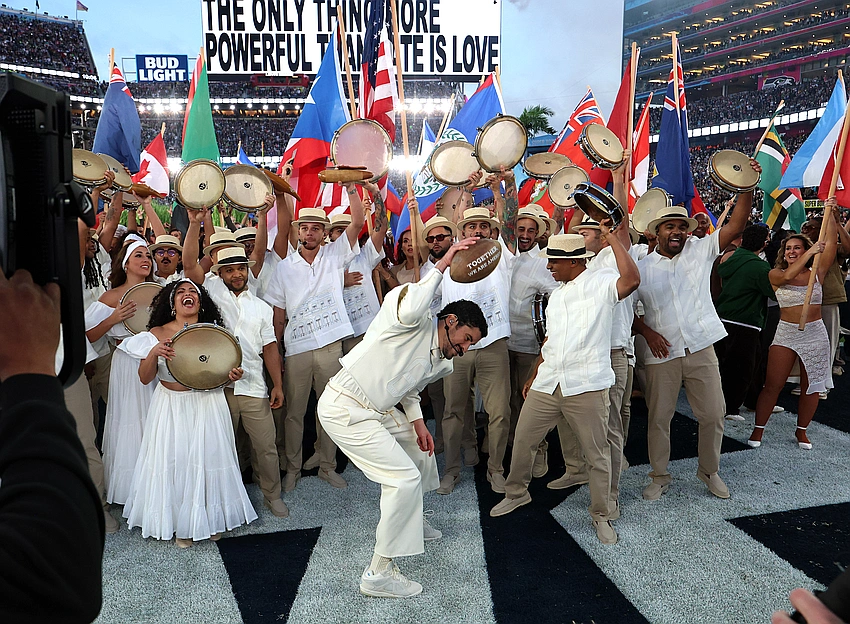
Bad Bunny’s Super Bowl LX halftime show turned into a production spectacle as much as a musical moment. Among the most striking visuals were the performers dressed as sugarcane grass, hired to add texture to the stage. The process wasn’t glamorous from the start: applicants were asked to meet specific height and build requirements, carry 40-pound costumes, and endure marathon rehearsals that stretched to 12 hours. The behind-the-scenes effort highlighted how much texture goes into a single high-profile performance.
One of the workers involved, Andrew Athias, disclosed he earned $18.70 per hour for the gig, a detail that has fueled conversation about compensation in big productions. The number underscores the sometimes grueling grind behind a show that lands in millions of feeds and stories around the world.
A viral Instagram reel captured the day from the sugarcane performer’s perspective, offering fans a rare glimpse into the endurance, choreography, and teamwork that powered the moment. Viewers praised the performers’ dedication, turning a behind-the-scenes clip into a symbol of hard work paying off on the sport’s biggest stage.
In the end, the halftime set became a record-breaker, widely reported as the most-watched in Super Bowl history with 135.4 million viewers tuning in for the performance. The show emphasized unity for Latinos across the Americas, with Bad Bunny delivering a Spanish-language moment that resonated with a global audience. While a political critic, including Donald Trump, weighed in on the performance, the numbers and engagement demonstrated the cultural impact and broad appeal of the act.
The aftermath suggested the show’s influence would echo beyond the night: a bold, cross-cultural showcase that highlighted Latino artistry on a global stage. As fans and commentators dissect the spectacle, the halftime moment already feels like a turning point for how artists collaborate with production crews and how audiences celebrate diverse voices on football’s biggest stage.
