OpenAI Introduces New Safety Features For ChatGPT Users Under 18.

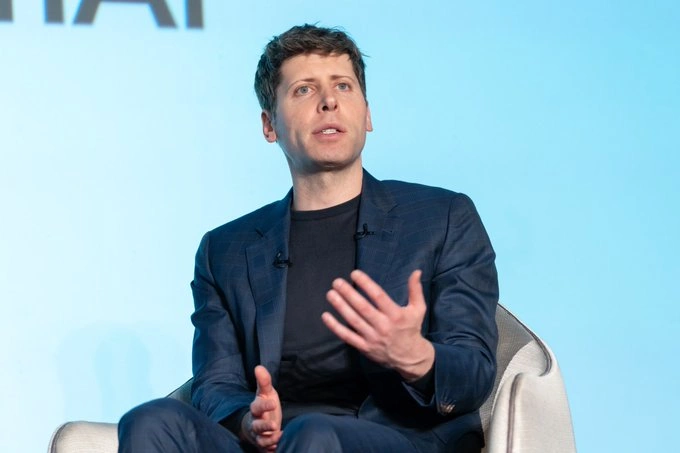
OpenAI Introduces New Safety Features For ChatGPT Users Under 18.
OpenAI says users under 18 will be redirected to an age-appropriate ChatGPT with safeguards, including content filters and emergency contacts, plus new parental controls to manage chats and usage.
In an effort to strengthen security during a time of increased concern about the chatbot's safety, OpenAI said Tuesday that it is referring teenagers to an age-appropriate version of its ChatGPT technology. According to a statement from OpenAI, users of the chatbot who are under the age of 18 will be automatically redirected to a version of ChatGPT that complies with "age-appropriate" content guidelines. According to the company, this underage edition has protection measures like censoring sexual content and contacting law enforcement "in rare cases of acute distress" to make sure users are safe.
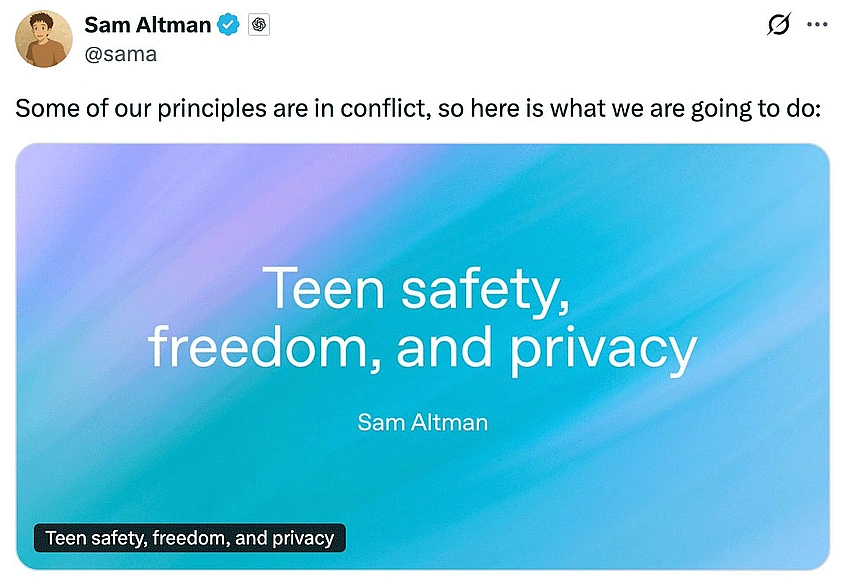
"The way ChatGPT responds to a 15-year-old should look different than the way it responds to an adult," the company said in the announcement.
Additionally, OpenAI announced that it is implementing parental controls, which will allow parents to control chat history, set blackout hours, link their account to their teen's account, and more. By the end of September, the protections will be accessible. The announcement follows the Federal Trade Commission's (FTC) investigation into the possible harm that AI chatbot companions may cause to children and teenagers. According to OpenAI, its top priority is
"making ChatGPT safe and helpful for everyone, and we know that safety matters above all else when young people are involved."
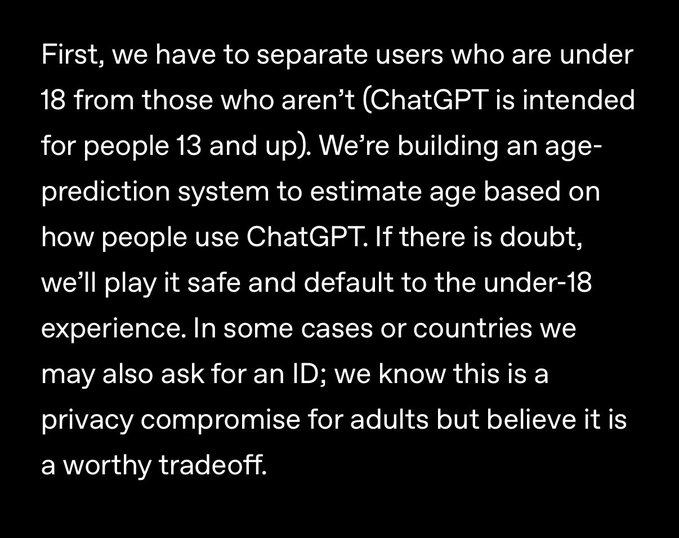
Following a lawsuit filed late last month by the parents of Californian 16-year-old Adam Raine, who committed suicide in April, OpenAI announced that it would implement additional safety measures for teens and vulnerable users prior to the FTC investigation. According to Raine's family, their teen committed suicide as a result of ChatGPT. Although it's unclear how OpenAI intends to determine users' ages, it said that ChatGPT will fall back to the under-18 version if it has insufficient or no information about a user's age.
Other tech companies have taken similar actions to protect teen users from offensive content. For instance, YouTube has revealed a new age-estimation system that determines whether users are under the age of 18 by tracking the types of videos they watch and the length of time they have had their accounts.
According to a report by the April Pew Research Center, parents are typically more concerned about their teenagers' mental health than the teenagers themselves. Social media has the largest detrimental influence on teenagers, according to 44% of parents who are at least somewhat concerned about teen mental health.
