US States Sue Over $100K H-1B Visa Fee Increase

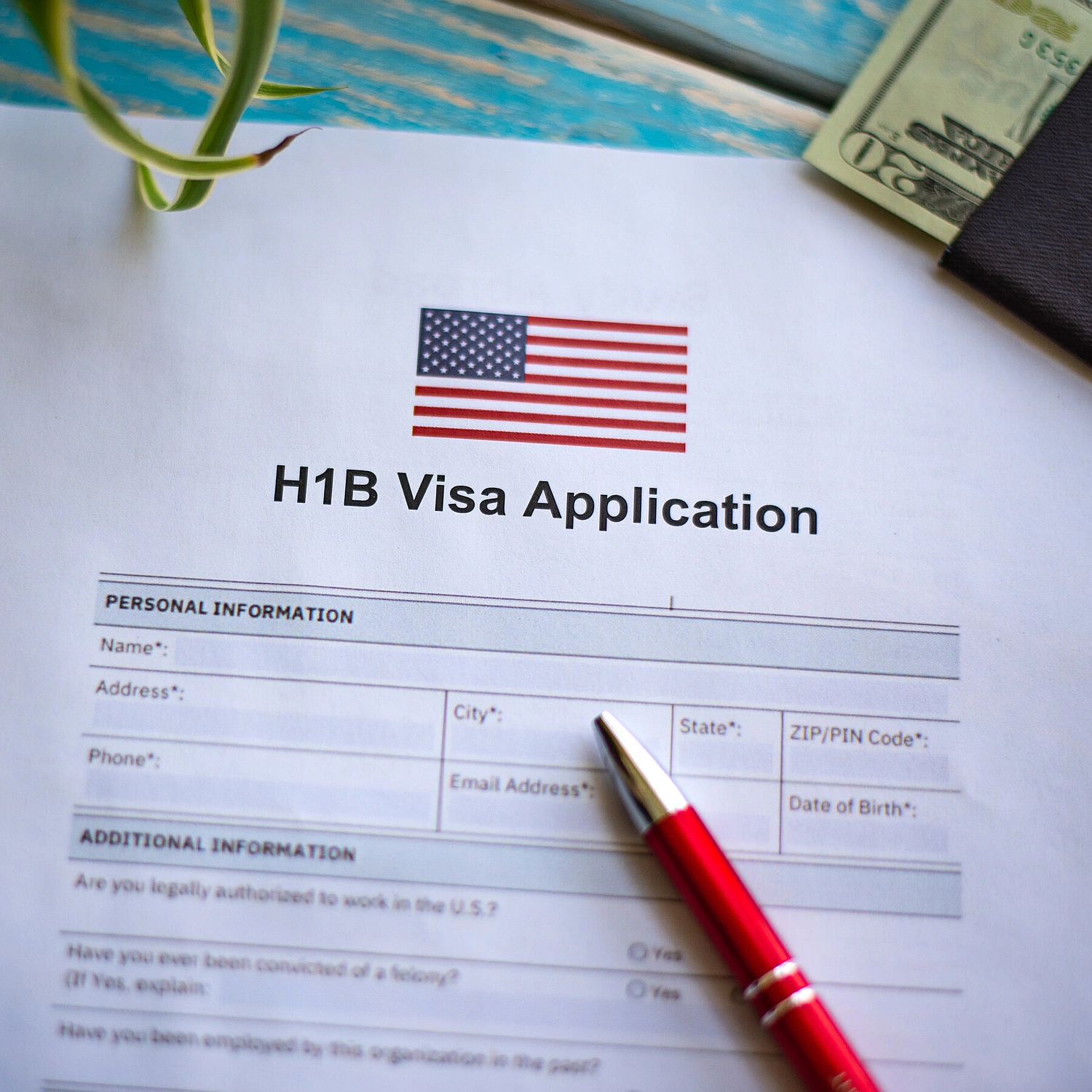
US States Sue Over $100K H-1B Visa Fee Increase
Twenty states challenge a new $100,000 H-1B visa fee, saying it undermines universities, hospitals, and research by restricting skilled international workers.
Twenty states have filed lawsuits challenging the administration's decision to set the H-1B visa filing fee at a staggering $100,000, arguing that the move is unlawful and exceeds presidential authority. The suits, brought by Democratic attorneys-general in a coalition of states, contend the fee hike rewrites immigration policy without a vote in Congress and skirts the constitutional checks and balances that guide federal rulemaking. The action adds another front to a bitter political and legal battle over skilled-work visas that began after a series of policy updates earlier in the administration.
Plaintiffs say the H-1B program is essential for filling roles in medicine, research, higher education, and tech, and that the new price tag would price out hospitals, universities, and research labs that rely on international expertise. The complaints point to specific impacts: crowded clinics may struggle to hire physicians and nurses, labs may stall in the middle of long-running projects, and classrooms could lose visiting scholars and adjunct faculty at critical moments. They cite prior fee levels that ranged roughly from under $1,000 to about $6,000, arguing that jumping to $100,000 would be far beyond what Congress ever contemplated and would distort the program's purpose.
On the legal front, the states argue the president has overstepped by unilaterally altering a statutory framework created by Congress, and that such a move undermines the co-equal branches of government. They maintain the fee setting is not a mere administrative adjustment but a fundamental change to who can qualify for H-1B status, how employers compete for talent, and how states plan for workforce needs. The litigation also references a broader chorus of opposition from business groups and non-profit coalitions who have challenged the policy in court, highlighting the bipartisan concerns about the potential economic disruptions.
Supporters of the fee hike say it is a necessary step to protect wages, national security, and the integrity of the visa system, arguing that higher costs will deter abuse and ensure that only truly necessary special-workholders are brought in. Critics warn that the price tag will chill hiring of skilled workers from abroad, particularly in sectors that are already facing talent shortages and global competition. The suits come as the policy debate remains deeply divisive in a country that relies on a steady stream of international talent for research, patient care, and higher education. The states named among the plaintiffs include Oregon and California, underscoring the significance of the policy for institutions and communities across the country.
With other lawsuits already filed by business groups and non-profits, this moment marks one of the most visible battles over immigration policy in recent years. Legal scholars say the outcome could hinge on questions about executive authority, statutory interpretation, and how courts view efforts to implement sweeping policy changes through fee schedules rather than through Congress. The case signals that the fate of the H-1B program—and the steady flow of skilled workers it supports—will continue to be decided in courtrooms and in the halls of state legislatures as the administration defends or revises its approach.
Cover image source: The Young Conservatives Fixated on H-1B Visas 🔗
