Who's Cutting AI That Saves Lives? Our Priorities Are Skewed.

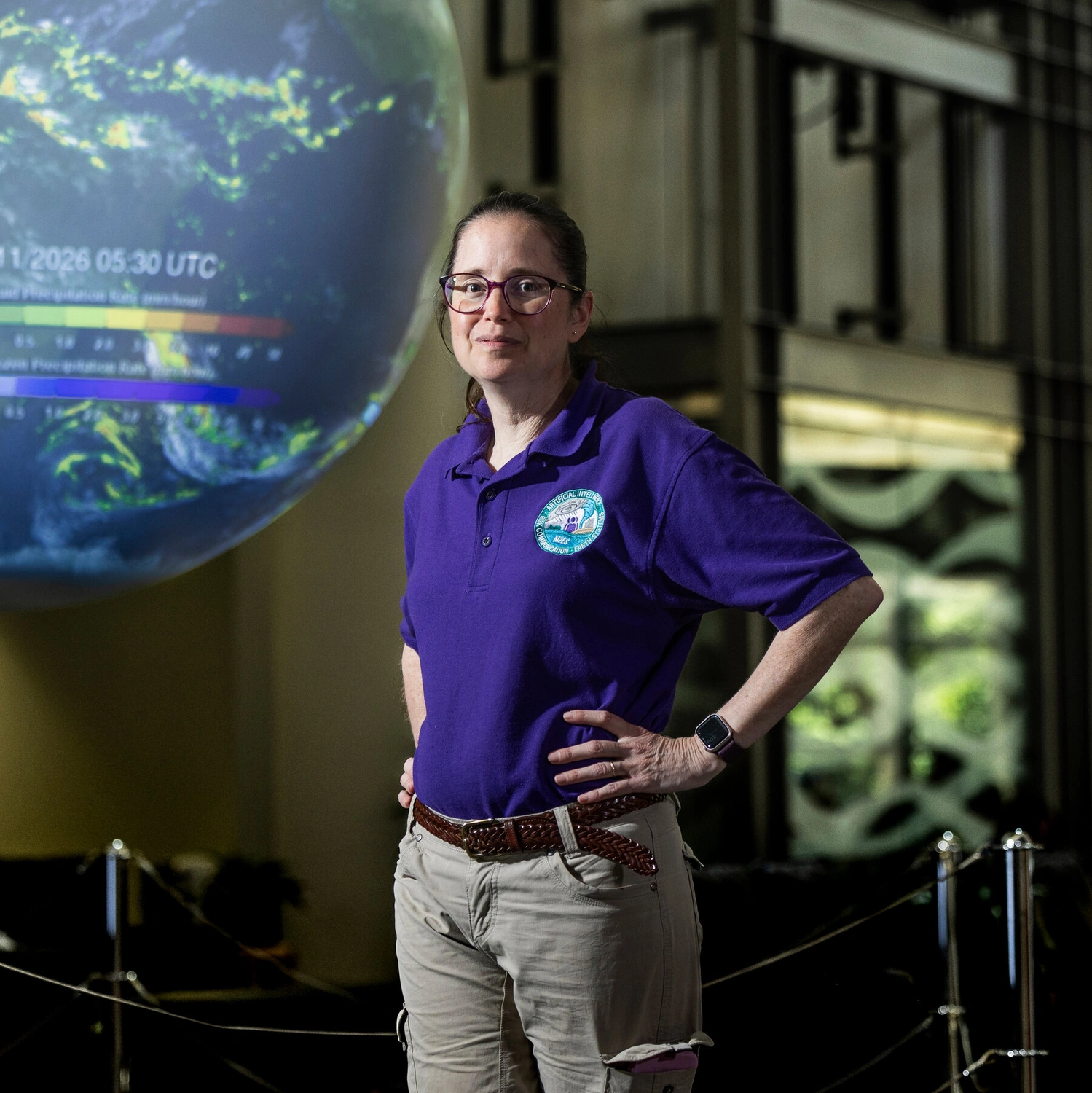
Who's Cutting AI That Saves Lives? Our Priorities Are Skewed.
Groundbreaking AI could predict extreme weather, saving lives. But some crucial projects are losing funding. What does this say about our collective priorities? Let's discuss why we need sustained investment in AI for pu
Picture this: cutting-edge artificial intelligence, tirelessly working to predict the next big storm, giving communities precious extra hours or even days to prepare. This isn't science fiction; it's the tangible reality of what dedicated researchers are building right now. Their innovations could literally save lives, protect infrastructure, and reduce economic devastation caused by extreme weather events.
So, why are we seeing reports of critical AI initiatives, particularly those focused on public safety and environmental forecasting, getting their funding pulled? It’s a question that demands a serious answer. When groundbreaking research aimed at predicting natural disasters or understanding climate patterns loses its financial lifeline, what message does that send about our collective priorities?
Defunding these projects isn't just about a budget line item. It means losing brilliant minds who then take their expertise elsewhere. It means halting progress on tools that could safeguard millions. It means ignoring the very real, increasingly frequent threats posed by an unpredictable planet. The ripple effect is profound: delayed warnings, increased casualties, and higher recovery costs in the long run.
Are we truly prioritizing short-term savings over long-term resilience? Is the focus purely on AI applications that promise immediate commercial returns, while vital research that serves the public good gets left by the wayside? This isn't just about technological advancement; it's about societal responsibility. We're talking about investing in the future of our communities, in our ability to adapt and protect ourselves.
It's time for a re-evaluation. Governments, foundations, and even private sectors need to recognize that sustained investment in AI for public good is not a luxury, but an imperative. We need strategic, long-term visions that prioritize life-saving innovation. Because if we aren't funding the AI that helps us navigate an uncertain future, what exactly are we funding, and what price will we ultimately pay?
