Trump rules out on-site Iran truce talks, pushes for remote negotiations

Trump rules out on-site Iran truce talks, pushes for remote negotiations
US officials won't travel for Iran talks, signaling remote negotiations as Tehran relies on Pakistani intermediaries amid regional tensions.
A tense standoff over a possible Iran truce is shaping up as the US says it will not send officials to travel for negotiations and insists any talks must take place remotely. Washington has signaled a preference for virtual discussions, a move that sets a careful tone while maintaining pressure on Tehran. Tehran has long warned it will not concede under coercion, and the current stance underscores the stubborn exchange of demands between Washington and Tehran.
Iran's Foreign Minister has returned to Islamabad to relay Tehran's positions on key issues, including its nuclear program and the strategic Hormuz Strait, using Pakistani intermediaries to keep channels open. Tehran has made clear it will not negotiate under coercion and that talks would need to address core demands while respecting Iran's red lines.
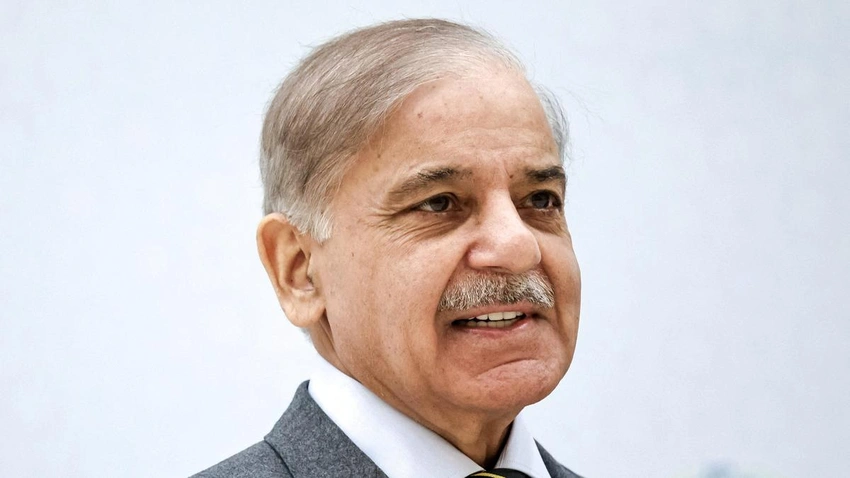
In parallel, Pakistan's prime minister spoke by phone with Iran's president in a fifty-minute discussion about the evolving regional situation and ongoing efforts to promote peace and stability in the region. The conversations highlight Islamabad’s central role as a mediator in a volatile political landscape.
Islamabad prepared for potential sessions between the United States and Iranian delegations, but those talks did not materialize, leaving businesses and residents cautious about the next steps. Officials had anticipated a possible meeting, only for the plan to fall through at the last moment, underscoring the fragility of diplomatic efforts in a turbulent region.
Analysts warn this stalemate illustrates the difficulty of reconciling US demands with Iran’s red lines and emphasize Pakistan’s pivotal role in trying to keep diplomacy alive, even as uncertainties loom over whether direct negotiations will resume soon.
