Iran's New Leader Mojtaba Khamenei: From Rubble to Power?

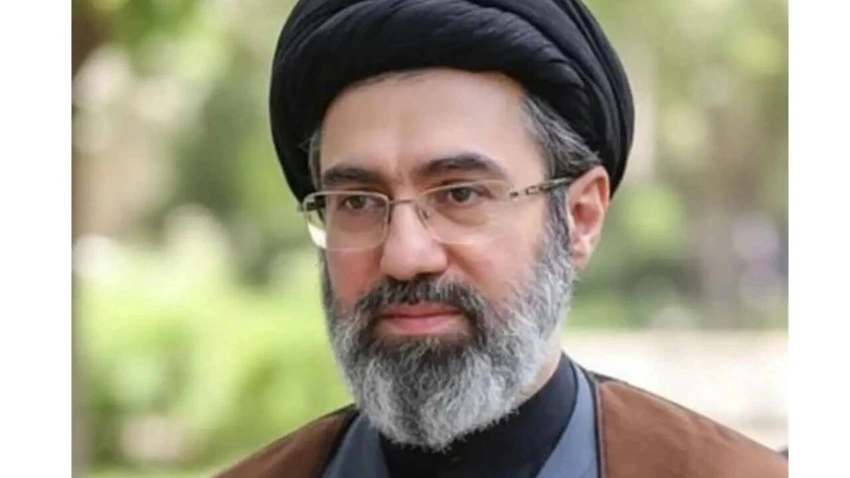
Iran's New Leader Mojtaba Khamenei: From Rubble to Power?
Dramatic events in Tehran: Mojtaba Khamenei, Iran's new Supreme Leader, narrowly survived US-Israeli strikes and was pulled from a bombed hospital. Amidst conflicting health reports, delve into his clandestine rise to po
In a series of events that reads like a geopolitical thriller, Mojtaba Khamenei, the newly appointed Supreme Leader of Iran, was reportedly pulled from the rubble of a Tehran hospital following US-Israeli strikes. His dramatic rescue and subsequent clandestine succession paint a vivid picture of the intense conflict gripping the region.
The strikes that led to Mojtaba Khamenei's peril were part of a broader operation. They followed an initial assault on February 28 that targeted his father, Ayatollah Ali Khamenei's Tehran compound, an attack that tragically resulted in the death of the 86-year-old supreme leader and several other senior figures. Mojtaba himself sustained injuries in these initial attacks, necessitating his transfer to a hospital.
Even after he had been wounded and taken to the hospital, three hospitals in Tehran were bombed,
shared Heydari, a key figure in the events. “Mojtaba Khamenei was in the third hospital and was pulled from the rubble.” Following this harrowing escape, the younger Khamenei vanished, retreating to an undisclosed location. He has maintained a low profile since, with no public appearances or broadcasts, as the conflict in the region escalated.
The urgent need for succession led to a highly secretive process on March 8. The Assembly of Experts, the constitutional body responsible for choosing the supreme leader, was forced to convene under extraordinary circumstances after its own Qom Secretariat was bombed, killing eight people and destroying crucial official recommendations.
Undeterred, the assembly members gathered in a secret location, where they received reports confirming Khamenei's physical status and readiness to assume office.
Each member cast their vote on paper, ensuring a discreet proceeding.
Heydari confirmed the assembly's decision:
We obtained information that Mojtaba Khamenei was healthy and able to lead, and we determined that he met the requirements of religious qualification, justice and competence to manage the country.
The vote saw Khamenei secure a decisive 50 out of 59 votes, while Ayatollah Alireza Arafi received eight, and one member abstained. Remarkably, Mojtaba Khamenei was reportedly unaware of his appointment until it was broadcast on Iranian state television, at which point he was “legally and religiously” obligated to accept the weighty post.
However, his health remains a subject of intense speculation and conflicting accounts. US intelligence previously suggested he sustained severe injuries, with former US President Donald Trump stating last month that Khamenei was “very seriously wounded” on his left side.
This contrasts sharply with recent remarks by Iranian President Masoud Pezeshkian, who, after a seven-hour meeting with Khamenei in New York this week, described him as “completely” healthy.
These divergent reports only add to the intrigue surrounding Iran's new leader.
